How to Get on Apple Music Rap Playlists: The Ultimate Indie Hip-Hop Guide
If you are an independent hip-hop artist, you already know how difficult it is to cut through the noise. You spend weeks locked in the studio, sweating over every 808 glide, adjusting the vocal compression, and making sure the mix hits hard in both a car speaker and a pair of AirPods. But once the track is finished, a sobering reality sets in: making great music is only half the battle.
For years, the conversation around streaming playlists has heavily favored Spotify. Everyone talks about getting on RapCaviar or Most Necessary, and while those are huge milestones, a lot of independent artists completely sleep on Apple Music. That is a massive mistake. Apple Music boasts millions of dedicated hip-hop listeners, an incredible subscriber retention rate, and—crucially for indie artists—some of the highest streaming payouts in the industry.
Landing a spot on Apple Music’s curated rap playlists can completely change the trajectory of your career. But unlike algorithmic playlists that feed off personal listening habits, Apple Music’s editorial playlists are guarded by real, human curators. They aren’t looking at automated data alone; they are looking for culture, quality, and momentum.
If you want to figure out how to get on apple music rap playlists, you need a targeted, strategic approach. This isn’t about spamming links or crossing your fingers—it’s about understanding how the ecosystem works, optimizing your digital storefront, and playing the industry game the right way. Let’s break down how to actually make it happen.
1. Understand the Anatomy of Apple Music Playlists
Before you pitch a single track, you need to understand the difference between how Apple Music serves content to its users. There are two main types of playlists you need to care about:
-
Algorithmic Playlists: These are personalized for every individual user based on their listening history. Think of New Music Daily mixes or customized station-based recommendations.
-
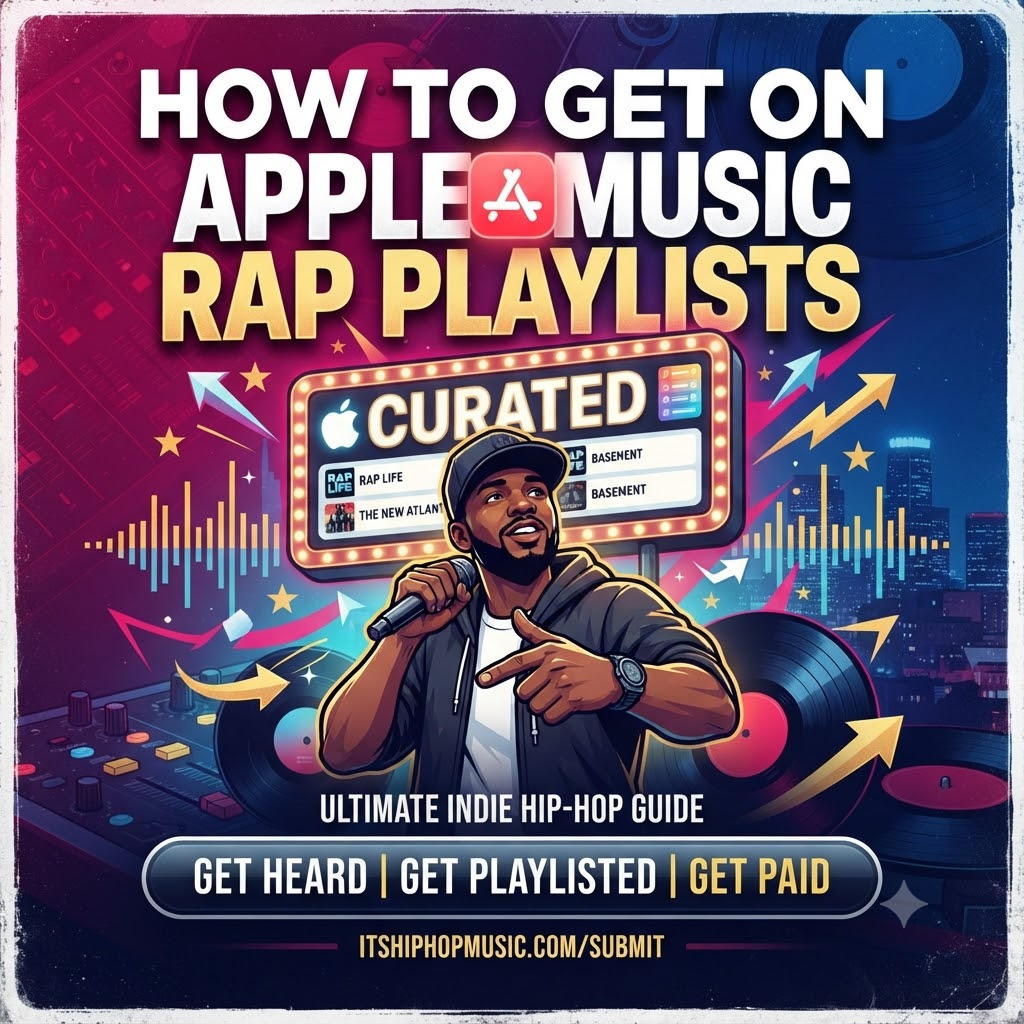
Editorial Playlists: These are the holy grail. Curated by Apple Music’s internal genre editors, flagship lists like Rap Life, The New Atlanta, Basement, or regional hip-hop roundups hold massive influence.
Editorial gatekeepers are constantly searching for fresh, high-quality tracks that fit a specific vibe, movement, or geographic sound. Because thousands of artists drop music every single Friday, your track has to immediately clear a high bar for production value, mixing, and overall vibe. If your track sounds muddy or poorly mixed, an editor will bounce within five seconds.
2. Claim, Polish, and Master Your Apple Music for Artists Profile
Imagine walking into a high-end record label office to pitch your music, but you’re wearing a faded shirt with stains on it and your demo is scribbled on a napkin. That is essentially what pitching with an unoptimized profile looks like.
Before you launch any serious hip-hop promo campaign, your digital footprint needs to look professional:
-
Claim Your Page: Head over to Apple Music for Artists right now and claim your artist profile if you haven’t already.
-
Invest in Visuals: Upload high-resolution, professionally shot press photos. Avoid selfies or grainy bathroom mirror pictures. Your header and artist image should immediately signal that you take your craft seriously.
-
Write a Real Bio: Don’t just paste generic paragraphs written by an AI tool. Tell your story. Where are you from? What is your musical background? What does your sound represent?
-
Keep an Eye on Data: Use the dashboard to monitor your listener demographics, Shazam spikes, and regional traction. Editors love artists who have organic pockets of fans popping up in specific cities.
3. Play the Long Game with Official Apple Music Pitching Tools
Apple Music has streamlined the pitching process through the Apple Music for Artists portal, but you have to work on their timeline, not yours.
-
Give Yourself Time: Do not upload your track through your distributor (like DistroKid, TuneCore, or CD Baby) and expect to pitch it the next day. You need to distribute your music at least 3 to 4 weeks before your actual release date.
-
Submit Early: As soon as your release is processed and shows up inside your Apple Music for Artists dashboard, fill out the editorial submission form immediately.
-
Write a Killer Pitch: You only get a limited number of characters to pitch your track to a human editor. Cut the fluff. Don’t write, “This is the best rap song you’ll ever hear.” Instead, focus on facts: “This track blends midwest trap flows with gritty boom-bap production, building on local radio momentum in Detroit, and is produced by [Producer Name], who previously worked with X.” Give context, influences, and marketing plans.
4. Why Pitching Outside of Spotify Gives You an Edge
Too many artists put all their eggs in one basket, treating Spotify as the alpha and omega of the music industry. But if you want to build a sustainable career, you have to meet listeners where they are—and urban music consumers have a massive presence on Apple Music.
In fact, pitching outside of Spotify gives you an edge in urban music categories through our curated hip-hop promo services (https://itshiphopmusic.com/submit/music-submission/). When you stop relying solely on a single platform and start executing a multi-platform strategy, you open up entirely new revenue streams and fanbases that might not even use Spotify. Diversifying your promotional reach signals to industry gatekeepers that you are building a widespread, holistic movement.
5. Build Real-World Momentum and Hype
Apple Music editors are risk-averse. They want to back tracks that already have a pulse. If you have zero listeners, zero buzz, and zero movement online, it is very hard to convince an editor to take a chance on your record.
To turn heads before you pitch:
-
Trigger Shazam Activity: Apple Music heavily values Shazam data. If you are performing live, running targeted social media ads, or dropping snippets on TikTok, encourage your fans to Shazam your unreleased or newly released tracks. A sudden spike in Shazams in a specific city is a huge red flag (in a good way!) that catches an editor’s eye.
-
Secure Independent Press: Getting covered by indie hip-hop blogs, YouTube tastemakers, and regional podcasts adds legitimacy to your electronic press kit (EPK). When an editor googles your name, they should see that people are actually talking about you.
-
Drive First-Week Velocity: The algorithm and human curators look closely at how your track performs in its first 7 to 10 days. Push your core fanbase to stream, save, and share the track right out of the gate.
Wrapping Up: Consistency Trims the Noise
Figuring out how to get on apple music rap playlists isn’t about finding a magic cheat code or a shady playlist-bot service that will just get your account flagged. It is about a combination of undeniable audio quality, smart early distribution, leveraging data, and knowing how to pitch your story to a human being.