Young Thug & Birdman Dismissed from Lil Wayne Tour Bus Lawsuit: Clearing Old Narratives
If you follow hip-hop closely, you know how hard it is to outrun a headline from ten years ago. Even when everyone involved has moved on, made peace, or entered a completely different phase of life, the internet keeps receipts—and usually puts the messiest ones right at the top of Google. That’s exactly what makes the recent update around the Young Thug Birdman Lil Wayne lawsuit dismissed news so significant, not just for the people named in the paperwork, but for any artist trying to protect their reputation in the streaming age.
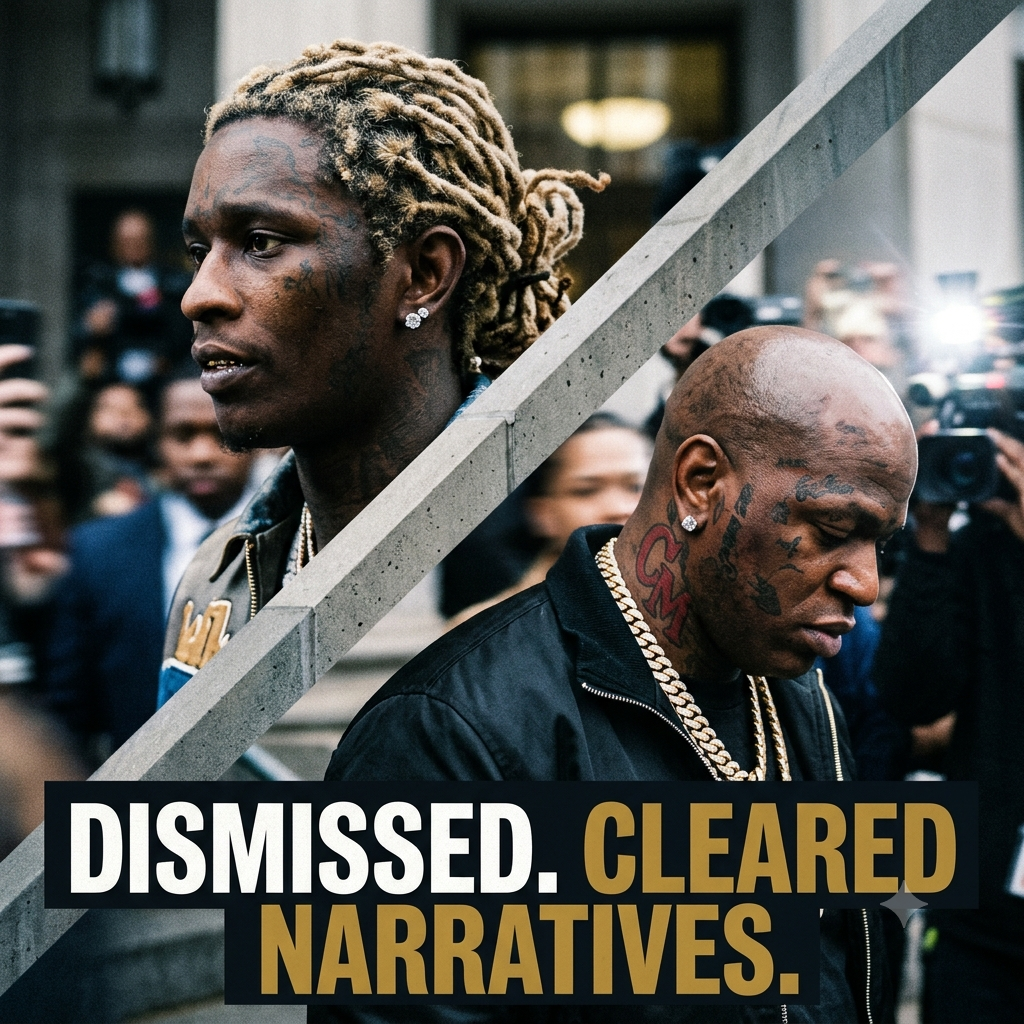
A judge officially dismissed Young Thug and Cash Money Records co-founder Birdman from the long-running civil lawsuit tied to the April 2015 shooting of Lil Wayne’s tour bus in Atlanta. Nearly a decade after the incident shook the rap world and sparked years of industry tension, courtroom drama, and speculation, that specific civil chapter has finally closed.
On paper, it’s a clean break. In the real world of the music business, though, getting cleared in court is only step one. The harder, quieter work is clearing the digital fog that lingers long after the gavel drops.
Ten Years of Baggage in a Single Search Result
To understand why this dismissal matters so much from a branding standpoint, you have to remember what 2015 felt like in hip-hop. Lil Wayne and Birdman were locked in a bitter public split over Tha Carter V and money owed through Cash Money. Young Thug was rising fast, caught right in the middle of Atlanta and New Orleans rap politics. When shots were fired at Wayne’s tour bus after a club appearance in Atlanta, the fallout became instant tabloid fuel.
Years later, tour bus driver Alvin Lewis filed a civil lawsuit seeking damages over the trauma and fallout from that night, naming Young Thug, Birdman, and others in the complaint. Even as public beefs cooled down over time—and even as separate, much larger legal battles took center stage—that civil suit stayed on the docket, quietly keeping Thug and Birdman tethered to one of the darkest headlines of the mid-2010s.
Now, with a judge formally dismissing both men from the civil case, the legal liability is off the table. Yet anyone who understands how music media works knows that a dismissal notice doesn’t magically scrub the past decade of blog posts, forum threads, and major news coverage off the internet.
The Invisible Tax of Lingering Legal Clouds
Most independent artists aren’t dealing with decade-old tour bus lawsuits, of course. But plenty of artists carry their own version of outdated baggage—an old arrest record from their early twenties, a messy label dispute, a local rumor that got picked up by a gossip blog, or simply a thin, unverified online presence where the worst thing they ever did is the only thing that ranks.
In an industry run by algorithms and risk-averse gatekeepers, stale controversy acts like an invisible tax on your career:
-
Brand Deals Stall Before They Start: Before a clothing label, liquor brand, or tech company puts money behind an artist, their marketing team runs a quick search. If the first page is dominated by legal drama or unresolved conflict, the offer quietly disappears without anyone ever telling you why.
-
Booking Agents and Festival Buyers Hesitate: Talent buyers want certainty. When they look up an act to fill a slot, they are checking to see if the artist looks active, professional, and focused on music—not tied up in old court dates.
-
Playlist Editors and Sync Supervisors Look Elsewhere: Whether it’s a major editorial playlist or a music supervisor licensing tracks for television, decision-makers lean toward artists whose public story feels forward-looking and clear.
-
Old News Has High Search Authority: Major entertainment outlets and local news stations have massive domain authority. If a mainstream site wrote about a lawsuit in 2017 or 2019, Google will happily keep serving that link in 2026 unless newer, credible coverage pushes it down.
How Artists Actually Rebuild a Clean Press Profile
When a legal cloud finally clears—or when you’re simply ready to leave an old chapter behind—hoping people forget isn’t a strategy. Search engines don’t care about personal growth; they care about fresh, relevant, authoritative signals. Rebuilding a clean press profile takes deliberate work, and it starts with treating your digital footprint like an asset you actively manage.
1. Flood the Zone with Current, Music-First Coverage
The simplest way to push old headlines off page one is to give search engines something newer and better to index. Consistent press around new singles, EPs, visuals, and live shows creates a steady stream of fresh URLs tied to your artist name. When bloggers, journalists, and reviewers write about your sound, your production choices, and your growth, those stories slowly replace outdated narratives as the primary context around who you are today.
2. Give Gatekeepers Context They Can Trust
A&Rs, managers, and press contacts rarely take an artist’s word at face value—they look for third-party validation. Social media posts vanish in a feed within hours, and self-written bios only go so far. Independent music journalism acts as an objective record. When an established outlet breaks down your catalog or highlights your work ethic, it tells industry scouts that real tastemakers are paying attention.
3. Control Your Core Keywords
Think about what pops up when someone types your stage name into a search bar. If you don’t actively build pages around your music, interviews, and reviews, third-party aggregators and old news clips will own that real estate by default. Every legitimate interview, feature, and track review you secure adds another brick to a foundation you actually want people to see.
If you are ready to bury outdated narratives and establish credibility with industry gatekeepers, you can cement a clean, authoritative digital paper trail for your catalog via our indie hip-hop press reviews hub.
Turning the Page for Good
Watching the Young Thug Birdman Lil Wayne lawsuit dismissed headline roll across timelines feels like the closing credits on an era of hip-hop that already seems worlds away. Both Thug and Birdman have spent the last decade navigating monumental shifts in their careers, their labels, and their personal lives. Having that civil suit officially wiped off the board gives them room to move forward without one more old anchor dragging behind them.
For every other artist watching from the sidelines, there’s a practical takeaway here: don’t wait ten years for your public story to clean itself up. Legal victories and personal growth happen in the real world, but your reputation lives online. The sooner you start stacking real, credible press around your music, the faster your work becomes the only story that matters.
Ready to Take Control of Your Press Narrative?
Build an unignorable media footprint for scouts. Get reviewed via our Music Review Page.