How to Get on TIDAL Rising: The Ultimate Pitch Guide for Emerging Rappers
Breaking into the music industry without a major label backing you often feels like shouting into the void. Algorithm-driven playlists on platform giants like Spotify or Apple Music can leave emerging independent artists feeling like numbers in a database. That is where TIDAL takes a noticeably different path. Through its dedicated discovery initiative—the TIDAL Rising program—the platform puts human curation and genuine editorial support back at the forefront of artist discovery.
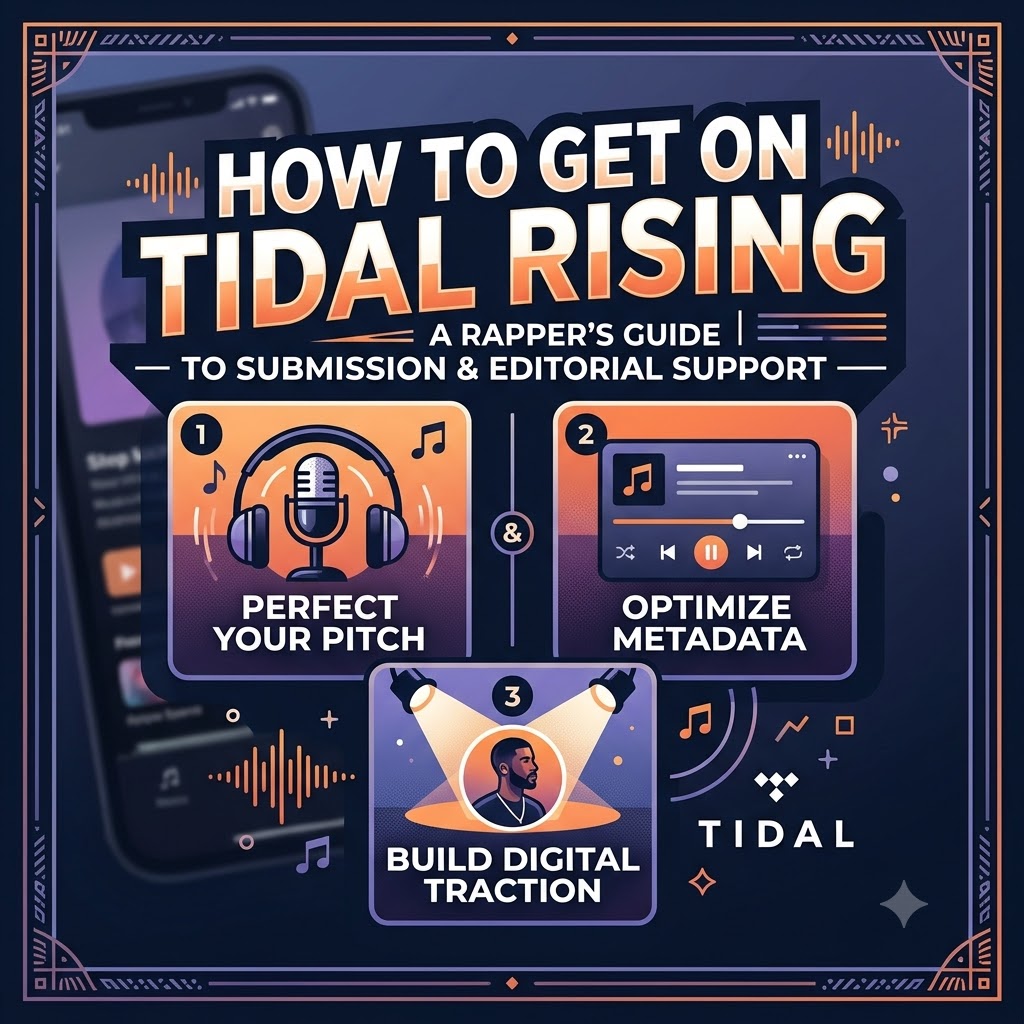
If you are an independent MC or hip-hop producer asking how to get on tidal rising playlist placements, front-page banner takeovers, or secure bespoke career grants, you need more than just luck. You need a clean submission strategy, professional metadata, and a cohesive digital presence.
Below is everything you need to know about how TIDAL Rising works, what its editorial team looks for, and how to position your next release for maximum consideration.
What Is the TIDAL Rising Program?
TIDAL Rising is TIDAL’s flagship editorial program designed specifically to champion emerging talent from around the globe. Unlike passive, purely algorithmic recommendations, TIDAL Rising is driven by an active editorial team that listens, selects, and amplifies artists who display exceptional talent, original sound, and early momentum.
For rap and hip-hop acts, getting selected for TIDAL Rising offers major visibility perks that go far beyond standard playlisting:
-
Dedicated Playlist Placement: Direct placement in the flagship TIDAL Rising Rap playlist, exposing your tracks to thousands of active listeners.
-
Front-Page Banner Features: High-profile visual placements right on the main home screen of the TIDAL desktop and mobile apps.
-
Editorial & Documentary Coverage: Opportunities for long-form interviews, behind-the-scenes video shoots, and bespoke editorial write-ups.
-
Financial & Tour Support: Selected spotlight artists receive direct funding grants to help offset tour expenses, music video production costs, and marketing efforts.
Getting noticed by TIDAL’s curators can instantly elevate an independent artist into a industry-recognized name.
Submission Criteria: What TIDAL Curators Look For
Before you start pitching, you need to make sure your release ticks every technical and creative box. TIDAL maintains strict standards for music quality and artist presentation. Here is what the editorial board evaluates before placing anyone in TIDAL Rising.
1. Pristine Master Audio Quality
TIDAL built its brand identity on high-fidelity audio (FLAC and Master Quality Authenticated files). If your audio sounds muddy, unmastered, or improperly mixed, curators will skip it within five seconds. Make sure your tracks are professionally mixed and mastered to commercial volume standards before sending them through your music distributor.
2. High-Resolution Visual Assets
Your visual identity matters as much as your sound. TIDAL’s home layout demands high-resolution, professional artwork. Ensure you have:
-
High-Res Press Shots: Clean, striking photography (300 DPI, minimum 3000 x 3000 pixels) in both vertical and horizontal formats.
-
Square Cover Art: Clean, high-resolution album/single artwork with no blurry pixels or outdated branding.
-
Artist Profile Setup: An updated artist bio and claim profile on TIDAL via your distributor platform.
3. Early Multi-Platform Traction
TIDAL curators rarely pick tracks out of thin air; they look for signs of early momentum across the web. They want to see that an artist is actively building an audience on social channels, engaging fans, and generating buzz across independent music publications.
To boost your odds, it helps to build the verified multi-platform catalog needed to catch TIDAL curators via our multi-platform rap promotion packages before your pitch date.
Step-by-Step: How to Pitch TIDAL’s Curation Board
While TIDAL does not maintain an open, public submission form for direct track uploads, independent rappers can pitch directly to TIDAL’s editorial team using preferred digital distribution platforms and partner curation channels.
+-----------------------------------------------------------------------+
|                       THE TIDAL PITCH PIPELINE                        |
+-----------------------------------------------------------------------+
|  1. Deliver via Preferred Distributor (DistroKid, TuneCore, etc.)     |
|  2. Submit Metadata 3 to 4 Weeks Prior to Release                     |
|  3. Fill Out Distributor Pitch Forms (Genre, Mood, Sound Description)  |
|  4. Drive Multi-Platform Buzz & Press Backstage                       |
|  5. Monitor TIDAL Artist Home for Editorial Inclusion                 |
+-----------------------------------------------------------------------+
Step 1: Deliver Music 3 to 4 Weeks Early
The biggest mistake independent artists make is delivering music to streaming platforms two days before release. Editors need time to listen, plan playlists, and update editorial banners. Always upload your track through your digital distributor (DistroKid, TuneCore, CD Baby, Symphonic, or UnitedMasters) at least 21 to 30 days before your release date.
Step 2: Use Your Distributor’s Direct Pitching Tools
Many top-tier digital music distributors offer direct editorial pitching options built right into their dashboards. When filling out pitch forms:
-
Be Specific with Sub-Genres: Do not just select “Hip-Hop.” Specify if it is Boom-Bap, Drill, Melodic Rap, Alternative Hip-Hop, or Trap.
-
Highlight Key Achievements: Mention press coverage, notable blog features, radio play, or recent opening slots for established acts.
-
Describe the Story Behind the Track: Explain the inspiration, production details, or regional influences that make the track stand out.
Step 3: Align Your Release Date with TIDAL’s Editorial Cycles
TIDAL updates most of its major playlists on Fridays, with secondary updates mid-week. Scheduling your release on a Friday maximizes your chances of being included in new-music editorial cycles.
How to Stand Out to Hip-Hop Editors
Hip-hop is one of the most competitive genres on streaming services. To catch the ear of TIDAL’s rap curators, focus on these three strategies:
Tell a Compelling Story
Editors love a strong narrative. If your single is tied to a larger project, a community initiative, or a unique collaboration, make that central to your artist bio and pitch description.
Build Cross-Platform Authority
Curators pay attention to what happens outside of streaming apps. A strong presence on YouTube, Instagram, TikTok, and established hip-hop blogs signals that you are an artist worth investing editorial real estate in.
Optimize Your Metadata
Incomplete or incorrect songwriter credits, missing producer tags, or incorrect genre tagging can delay editorial reviews. Double-check all contributor names, ISCR codes, and publishing details during distribution.
Frequently Asked Questions
Does TIDAL Rising cost money to get into?
No. TIDAL Rising is an editorial selection program. Pitching through your distributor is free, and editorial inclusion is based entirely on quality and momentum.
How long does an artist stay in TIDAL Rising?
Artists selected for TIDAL Rising receive promotional support for anywhere from several weeks to several months, depending on the scale of editorial support and upcoming project releases.
Can unsigned independent artists qualify?
Yes! TIDAL Rising actively prioritizes independent, unsigned acts alongside newly signed roster artists.
🚀 Build Multi-Store Authority & Catch Curator Attention
Ready to elevate your next release and get noticed by streaming curators? We help independent rap acts build real audience traction, editorial coverage, and multi-platform visibility.
👉 Pitch your single today via our Music Submission Page.