Is Spotify Marquee Worth It for Independent Artists? A Deep Dive for Rappers
Dropping a new track as an independent rapper feels a lot like shouting into a hurricane. You spend weeks—maybe months—fine-tuning the mix, arguing with your engineer over the vocal compression, picking the right cover art, and trying to figure out TikTok transitions. Then release day finally arrives. You hit publish, drop the link in your bio, and… crickets. The algorithm doesn’t magically hand you a million streams overnight, and your social media followers are busy watching reel after reel of random internet content.
If you’re staring at your Spotify for Artists dashboard wondering how to break through the noise, you’ve probably looked into Spotify’s native promotional tools. Chief among them is Spotify Marquee, that full-screen pop-up reminder that catches users right when they open up the app.
It sounds cool in theory, but let’s talk real talk: is spotify marquee worth it for independent artists, especially if you’re funding your own career out of pocket?
Let’s break down how this tool actually functions, what it costs, the hard truths independent rappers need to know, and how to mix it with outside strategies so you don’t burn through your marketing budget for nothing.
What Actually Is Spotify Marquee?
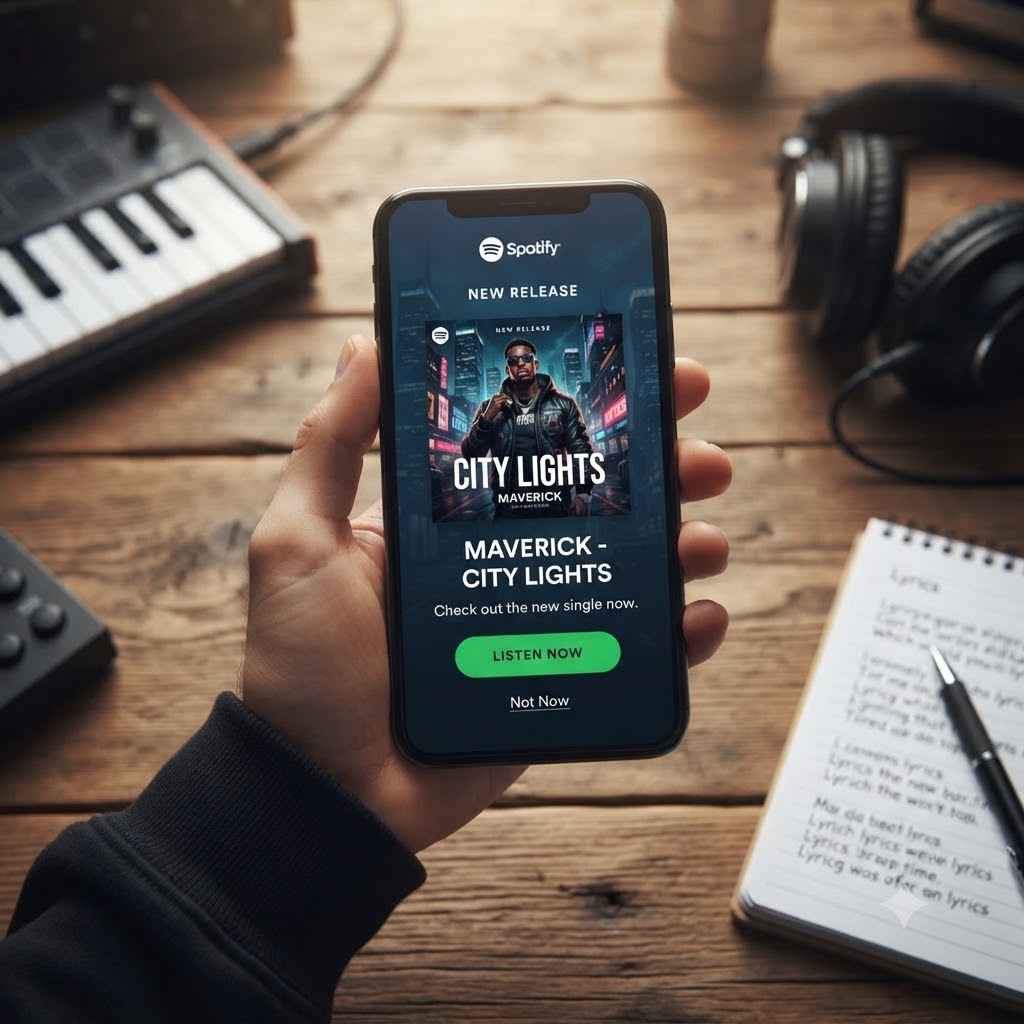
Before we talk numbers, let’s get on the same page about what Marquee is. Think of it as a digital billboard tailored specifically for music streaming. When a listener opens their Spotify app on mobile, a bold, full-screen recommendation pops up highlighting your new single or album.
Unlike Instagram or Twitter/X ads—where people are scrolling past memes, politics, and updates from their high school exes—Marquee hits people while they are already in the mindset of listening to music.
Spotify gives you a couple of ways to target your audience:
-
Active Audiences: These are the people who have actively sought out your music, visited your artist profile, or streamed your tracks intentionally over the last 28 days.
-
Programming Audiences: These are lapsed fans (people who used to listen to you months ago) or casual listeners who vibe with artists similar to your style and subgenre.
When a user taps that pop-up, they aren’t sent to an external landing page or a YouTube video. They drop straight onto your release page where they can hit play, drop the track into their personal rotation, or save it to their library immediately. Plus, you’re only paying on a cost-per-click model—meaning you don’t pay just for impressions; you pay when someone actually shows interest and clicks through.
The Hip-Hop Hustle: Why Marquee Catches Rappers’ Attention
Hip-hop is arguably the fastest-moving genre on streaming platforms. Fans are constantly hunting for the next hard-hitting beat, the cleanest lyricist, or a fresh underground wave. Because consumption is so high, momentum is everything.
When you run a Marquee campaign for a rap release, you’re trying to capitalize on that immediate craving for fresh music. If you choose to target your existing or lapsed fan base, conversion rates are usually pretty high. People who already bump your music will see the reminder, think, “Oh damn, drop a new tape?” and click right in.
For independent artists, that kind of direct line to your core supporters can feel like a superpower, especially when social media algorithms actively hide your organic posts behind paywalls.
The Pros: Why You Might Want to Spend Your Bread on Marquee
Let’s keep it 100—Spotify didn’t build these tools just for fun. There are legitimate perks if you run a campaign correctly:
1. High-Intent Listeners
Like we mentioned earlier, people opening Spotify are ready to listen. They aren’t trying to read an article or reply to a text. By putting your cover art and track title front and center at that exact micro-moment, you catch them when they are primed to discover or re-discover music.
2. Transparent, Actionable Data
Spotify for Artists doesn’t leave you guessing. Post-campaign analytics show you exactly how many people clicked, how many streams those clicks turned into, the listener-to-save rate, and how much you paid per stream. That kind of data helps you figure out if your branding and song choice actually resonated.
3. Kickstarting Algorithmic Push
The holy grail for independent rappers is landing on personalized algorithmic playlists like Discover Weekly, Release Radar, or genre-specific radios. Spotify’s system looks for spikes in active, intentional engagement. When a Marquee campaign drives a quick wave of deliberate streams and library saves within the first 48 hours, it sends a strong signal to the algorithm that real humans are paying attention to your drop.
The Cons: The Real-World Hurdles for Independent Rappers
As dope as it sounds, Marquee isn’t a cheat code. Independent artists face some very real hurdles when working with these native tools:
1. The Budget Barrier
Let’s talk about the elephant in the room: cost. While Spotify has been rolling out more self-serve options to make campaigns accessible to smaller acts, the minimum spend requirements can still take a serious chunk out of an indie artist’s monthly budget. If you’re choosing between dropping 200 bucks on a Marquee campaign or using that cash for a dope music video, mixing, or features, you have to weigh your priorities carefully.
2. It Can’t Save a Bad Song
Marquee gets people to click. It puts your name on their screen. But once they click, the music has to speak for itself. If your mix sounds muddy, your beat doesn’t hit hard on mobile speakers, or your hook takes forty-five seconds to get going, they’re going to skip within five seconds. A Marquee campaign won’t fix a weak release—it’ll just broadcast it to more people faster.
3. It Struggles With Cold Audiences
If you’re an underground artist starting from scratch with a tiny listener base, targeting “programming audiences” can feel like throwing money into the wind. Marquee works best when people already have some loose familiarity with your name or sound. If you have zero organic momentum, relying purely on in-app pop-ups is an uphill battle.
The Verdict: Is It Worth It?
So, back to the big question: is spotify marquee worth it for independent artists?
The short answer is yes, but only if you check the right boxes.
If you already have a loyal pocket of listeners, a polished, radio-ready single, and a little marketing cash set aside for release week, Marquee is an effective way to cut through the digital clutter and guarantee your core fans don’t miss your new drop. It bridges the gap between passive scrolling and active streaming.
However, treating Marquee as your only marketing strategy is a rookie mistake. Sustainable independent growth requires a multi-layered approach. In fact, internal pop-up ads work best when combined with external traffic driven by our subgenre-specific hip-hop playlisting (https://itshiphopmusic.com/submit/music-submission/) network.
By pairing targeted Spotify native campaigns with active external playlist curators, you capture the best of both worlds: you lock down your warm listeners inside the app while pulling in fresh organic listeners and new fans from across the wider web.
Don’t rely on just one tool. Build a ecosystem around your music, keep your quality high, and put your art where the culture is actually looking.
Combine internal tools with external curator reach. Pitch your release on our Music Submission Portal (https://itshiphopmusic.com/submit/music-submission/).