The NorCal Blueprint: How Sacramento “Slimes” and Street Rap Built Million-Dollar Streaming Networks Without Major Labels
If you look at the traditional music industry playbook from twenty years ago, it reads like a corporate fairy tale. An artist gets discovered in a local club, signs a multi-album deal with a major label in New York or Los Angeles, hands over their masters, and hopes the marketing machine will turn them into a household name.
For a long time, that was the only game in town. But if you head up Interstate 80 into Sacramento and the broader Northern California corridor, you’ll find an entirely different universe—one where artists skipped the corporate middleman altogether.
Long before algorithm-chasing pop acts figured out how to game digital distribution, Northern California hip-hop was quietly writing its own business manual. Fueled by grit, regional pride, and a relentless DIY hustle, NorCal artists built self-contained, multi-million-dollar streaming empires. From the dark, cinematic G-Funk pioneers of the 90s to the modern wave of Sacramento street rap and the “slime” movement, the region has proven a vital lesson: true artistic independence creates the most resilient music economies in the world.
Let’s break down how Northern California hip-hop built a blueprint that major labels are still trying to figure out.
1. The Historical Foundation: Why NorCal Was Built Different
To understand how modern Sacramento artists generate millions of streams independently, you have to look backward. Northern California has historically existed in the shadow of its flashier neighbor to the south, Los Angeles, and the historical powerhouse of New York.
Because the major labels weren’t knocking on doors in Sacramento, Stockton, or Vallejo in the way they were in LA, artists had to invent their own lane. Back in the 1990s and early 2000s, legends like C-Bo, Brotha Lynch Hung, and X-Raided weren’t waiting around for a fancy A&R representative to hand them a contract. They mastered the art of the trunk hustle.
They pressed up their own CDs, built localized distribution networks out of the back of their cars, and toured relentlessly up and down the Pacific Coast. They realized early on that owning 100% of something is infinitely better than owning 15% of a major label pipe dream. That foundational mindset—self-reliance, direct fan connection, and absolute ownership—became the DNA of the NorCal rap scene. When the internet and digital streaming arrived, NorCal artists didn’t have to scramble to adapt; they simply took their existing street-level business model and translated it into digital code.
2. Weaponizing the Streaming Era: The Modern Sacramento Movement
When digital streaming platforms like Spotify, Apple Music, and YouTube leveled the playing field, most legacy artists panicked. Independent Northern California artists, however, treated the internet like open territory.
Modern Sacramento street rap didn’t just adapt to the digital age; it weaponized it. Artists like the late Dezzy Hollow, Mozzy, DB Boutabag, and countless other regional heavyweights figured out how to turn hyper-local loyalty into global streaming numbers without ever stepping foot inside a corporate boardroom.
Here is how they did it:
-
Direct-to-Fan Digital Distribution: By utilizing independent distribution services like TuneCore, DistroKid, or UnitedMasters, NorCal artists retain 100% of their master rights and publishing. When a track hits ten million streams, the check goes straight to the creator, not into paying off a bloated major label advance.
-
In-House Visual Media Networks: Instead of relying on expensive, label-appointed video directors with creative control issues, NorCal camps built their own production pipelines. They dropped raw, cinematic street videos that capture the unfiltered reality of their neighborhoods, pulling in millions of organic views on YouTube without a single dollar of corporate ad spend.
-
The Hyper-Localized Feedback Loop: Street rap thrives on authenticity. NorCal artists understand that their local audience is their core focus group. High engagement in Sacramento neighborhoods naturally ripples outward, triggering algorithmic pickup on streaming platforms nationwide.
-
Consistency as a Currency: Unlike major-label artists who drop an album every three years after a massive marketing rollout, NorCal artists drop music constantly. They feed the streaming algorithms with a steady stream of singles, mixtapes, and visual projects, keeping their fanbases permanently engaged.
3. The “Slime” Culture and the Economics of Independence
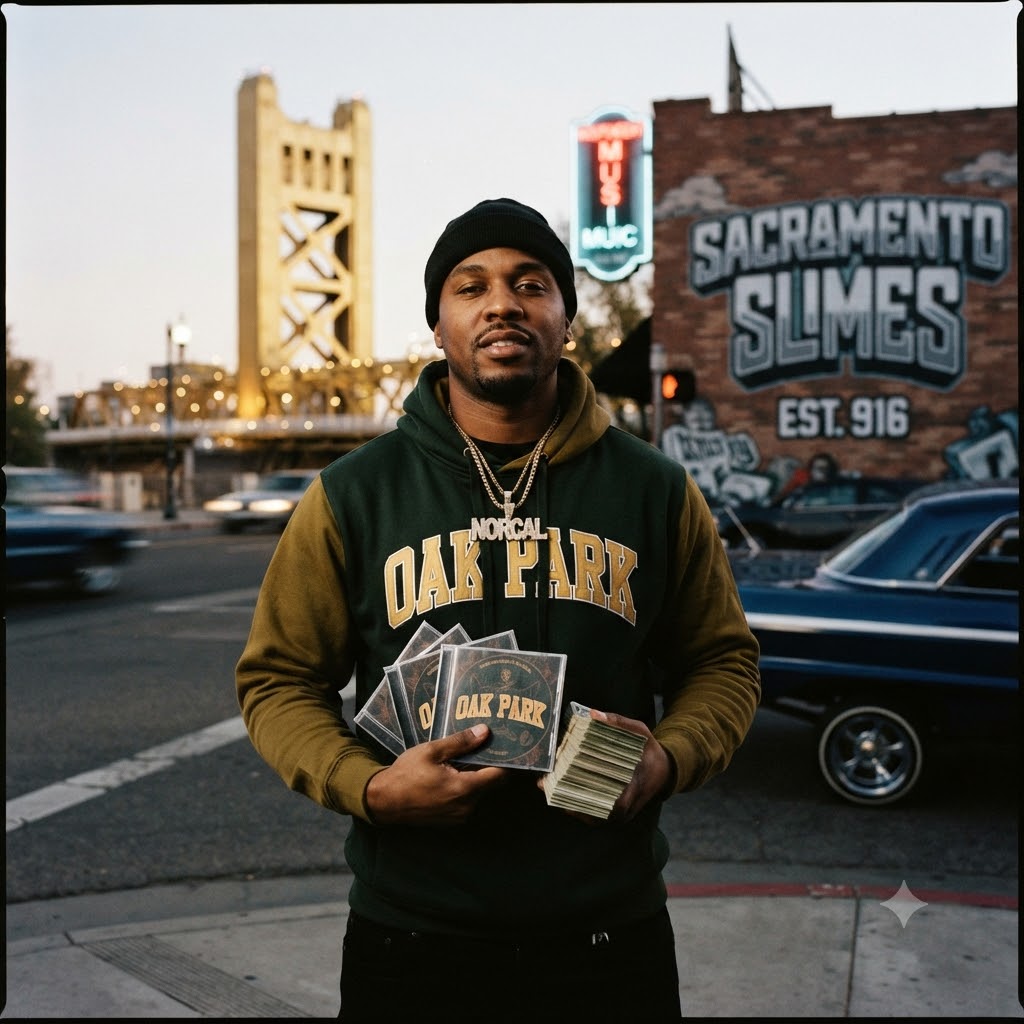
In recent years, the terminology and stylistic choices coming out of Sacramento have evolved, highlighted by the pervasive “slime” culture embedded deeply in the local slang and aesthetic. But beneath the surface-level trends and distinct West Coast bounce lies a fiercely protective business acumen.
Why do these artists actively avoid major label entanglements? Because history has shown them that corporate entities often view regional street rap as a trend to be mined, capitalized on, and discarded once the numbers dip.
By building self-contained ecosystems, Sacramento’s independent underground has insulated itself from the fickle nature of the music industry. If a corporate algorithm changes its mind tomorrow, a major-label artist might find themselves dropped and stranded. A NorCal independent artist, on the other hand, owns their catalog, controls their merchandise lines, manages their own touring schedules, and speaks directly to a community that buys in for the long haul.
It is a masterclass in modern asset protection. Streams aren’t just vanity metrics for these artists; they are recurring revenue streams that fund real estate, clothing brands, independent record labels, and generational wealth.
4. What the Rest of the Industry Can Learn from Northern California
The independent blueprint forged in Sacramento and the wider Northern California landscape has become a case study for modern musicians everywhere. As major labels continue to shrink and traditional gatekeepers lose their grip on consumer attention, the NorCal method looks less like an alternative and more like the future.
You don’t need a golden ticket from a corporate executive to build a career. You need authenticity, consistency, an unbreakable connection to your immediate community, and a refusal to hand over the keys to your creative house.
Northern California street rap proved that you can stay true to where you come from, build a multi-million dollar streaming empire from a bedroom studio, and do it entirely on your own terms. The capital of California’s underground isn’t funded by Wall Street or Hollywood boardrooms—it’s built by the streets, owned by the artists, and streamed by the world.
Dig Deeper into the Movement
If you want to understand the deep-rooted grit, struggle, and hustle that shaped this unique regional sound over the decades, take a look at this documentary feature exploring the History of Sacramento Rap Movie. It’s a vital watch for anyone looking to understand how a city built an unstoppable independent music culture from the ground up.