



De La Soul & Nas’s 2027 Grammy Nod: How to Optimize Legacy Hip-Hop Collaborations on Spotify
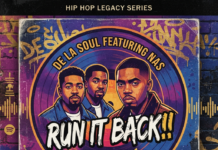
When the 2027 Grammy nominations dropped, seeing De La Soul featuring Nas pop up in the Best Rap Performance category for “Run It Back!!” felt like a genuine win for purists. Holding their own right next to modern streaming juggernauts like Kendrick Lamar, Cardi B, and Don Toliver wasn’t just a nostalgic tip of the hat from the Recording Academy—it was proof that veteran boom-bap still carries real weight when it’s rolled out right.
If you manage legacy acts, run an indie label, or market hip-hop records, there is a massive lesson sitting right inside that Mass Appeal release. Pairing two iconic names isn’t just about making a great song for the culture anymore. Behind the scenes, it is one of the smartest ways to game modern streaming mechanics.
Understanding how to optimize legacy hip-hop collaborations on Spotify is what separates a track that gets a quiet weekend of polite streams from a record that hijacks two separate algorithms, wakes up millions of passive catalog listeners, and pushes classic albums back into rotation.
Why “Run It Back!!” Works So Well in the Streaming Era
Here is the biggest problem legacy hip-hop artists face on Spotify: passive listening.
Millions of people throw on Illmatic or 3 Feet High and Rising while they’re at the gym, driving, or cooking dinner. Those listeners love the artists, and they stream the records every week, yet a huge chunk of them have no idea when those same artists drop new music. Unless Spotify puts the new record directly in front of them on a Friday morning, they’ll miss it.
When De La Soul and Nas linked up for “Run It Back!!”, they didn’t just make an East Coast dream track—they smashed two massive, overlapping listener ecosystems together:
-
The De La Soul camp: Native Tongues die-hards, jazz-rap crate diggers, global festival crowds, and listeners who lean toward alternative, soulful hip-hop.
-
The Nas camp: Queensbridge street-rap loyalists, longtime Mass Appeal followers, and mainstream hip-hop fans who still check for every King’s Disease or Magic era drop.
On paper, those two fanbases obviously know each other. Inside Spotify’s recommendation engine, though, their listening habits and taste profiles don’t always overlap 100%. When you structure a collaboration properly on the backend, you force Spotify to treat that single as a high-priority drop for both camps at the exact same time.
How to Optimize Legacy Hip-Hop Collaborations on Spotify
Getting an algorithmic boost out of a big feature doesn’t happen by accident. If your distributor metadata is sloppy or you upload the song three days before release, you leave half your reach on the table. Here is how to set up a collaborative release so the algorithm actually does the heavy lifting for you.
1. Fix Your Metadata: Primary Artist Credits Matter
This is the number one mistake teams still make with features. If you just type (feat. Artist B) into the song title without linking their official Spotify Artist URI—or worse, bury them as a secondary credit—you cut your algorithmic reach in half.
Whenever possible, credit both collaborators as Primary Artists through your distributor.
-
Why it matters: Spotify’s Release Radar is personalized for every user and caps out around 30 songs every Friday. When both artists are tagged as Primary, the track becomes eligible to drop into the Release Radar feeds of both artists’ follower bases. You effectively double your real estate on release day without spending an extra dollar on ads.
2. Pitch Through Spotify for Artists at Least Two Weeks Out
You cannot rush a legacy collaboration. Both teams need to get the audio delivered and ingested early enough to submit an editorial pitch through Spotify for Artists at least 14 days before release day (seven days is the bare minimum, and honestly, cutting it that close hurts you).
-
Why it matters: Pitching early locks in guaranteed Release Radar placement for followers. Just as importantly, it gives Spotify’s audio-analysis models time to scan the beat, tempo, and vocal cadence so it can tag the song accurately—putting it in front of Boom Bap, 90s Hip-Hop, and Conscious Rap taste clusters in Discover Weekly weeks after the initial hype cools down.
3. Obsess Over the First 48 Hours (Not Just Raw Streams)
Spotify doesn’t blast a new song to cold audiences right out of the gate. Instead, it tests the track on a small batch of core followers during the first 48 to 72 hours. It isn’t just counting plays—it’s watching how people react to the song.
A fan playing a track once and moving on does very little. A fan saving the song to their Liked Songs, adding it to a personal playlist, or running it back twice in a row tells the algorithm the record is sticky.
-
Coordinate pre-save links across both artists’ newsletters, Instagram broadcasts, and Discord communities so day-one library saves spike right at midnight.
-
If you’re trying to recreate that kind of cross-audience momentum for your own releases, you can maximize dual-fanbase discovery on collaborative singles through our multi-platform rap promotion packages.
4. Use the New Single to Wake Up the Back Catalog
The real money in legacy hip-hop isn’t just the single—it’s the halo effect that single creates for albums released 20 or 30 years ago.
When a lifelong Nas fan hears “Run It Back!!” and hits save, Spotify’s collaborative filtering starts connecting the dots. Suddenly, De La Soul tracks start popping up in that listener’s Daily Mixes, Artist Radio, and Autoplay queues—and the exact same thing happens in reverse for De La Soul fans.
You can speed that process up manually:
-
Pin the track as an Artist Pick: Both artists should put the new single at the very top of their Spotify profiles on release day.
-
Build a bridge playlist: Have both camps share a curated playlist that mixes the new single right alongside essential cuts from both catalogs, then feature that playlist on their profile pages.
-
Keep the intro tight: High skip rates in the first 30 seconds will kill a song’s Autoplay momentum fast. If you’re sitting on a 45-second spoken-word skit at the start of the track, cut it for the streaming single and save it for the album version.
The Metrics That Actually Matter After Release Day
Once the single is live, stop refreshing your stream count every ten minutes and look at the behavioral numbers inside Spotify for Artists instead:
| Metric to Watch | What It Tells the Algorithm | How to Improve It |
| Save-to-Stream Ratio | Listeners actually want to keep the song, not just hear it passively. | Ask fans to “save to your library” instead of just “go stream it.” |
| 30-Second Skip Rate | Whether the intro hooks cold listeners before they bounce. | Bring the drums and recognizable voices in within the first 10–15 seconds. |
| Listener-to-Follower Conversion | Casual catalog fans are turning into active followers who get future alerts. | Update Canvas loops and profile banners so the page feels active. |
| Catalog Lift | Older albums are catching residual streams from new single traffic. | Link classic LPs directly inside social rollouts and playlist sequencing. |
De La Soul and Nas didn’t need a Grammy nomination to prove their place in hip-hop history. Still, seeing “Run It Back!!” thrive in 2027 is a reminder that classic artists don’t have to rely on nostalgia tours alone. When the metadata is clean, the rollout is coordinated, and both fanbases are activated at once, a single collaboration can make an entire catalog feel brand new again.
Ready to Turn Your Next Feature Into an Algorithmic Engine?
Amplify your collaborative hip-hop records across active feeds. Pitch your single via our Music Submission Page.










)