Why 90s and 2000s Rap Legends Are Cashing Out Their Catalogs to Wall Street
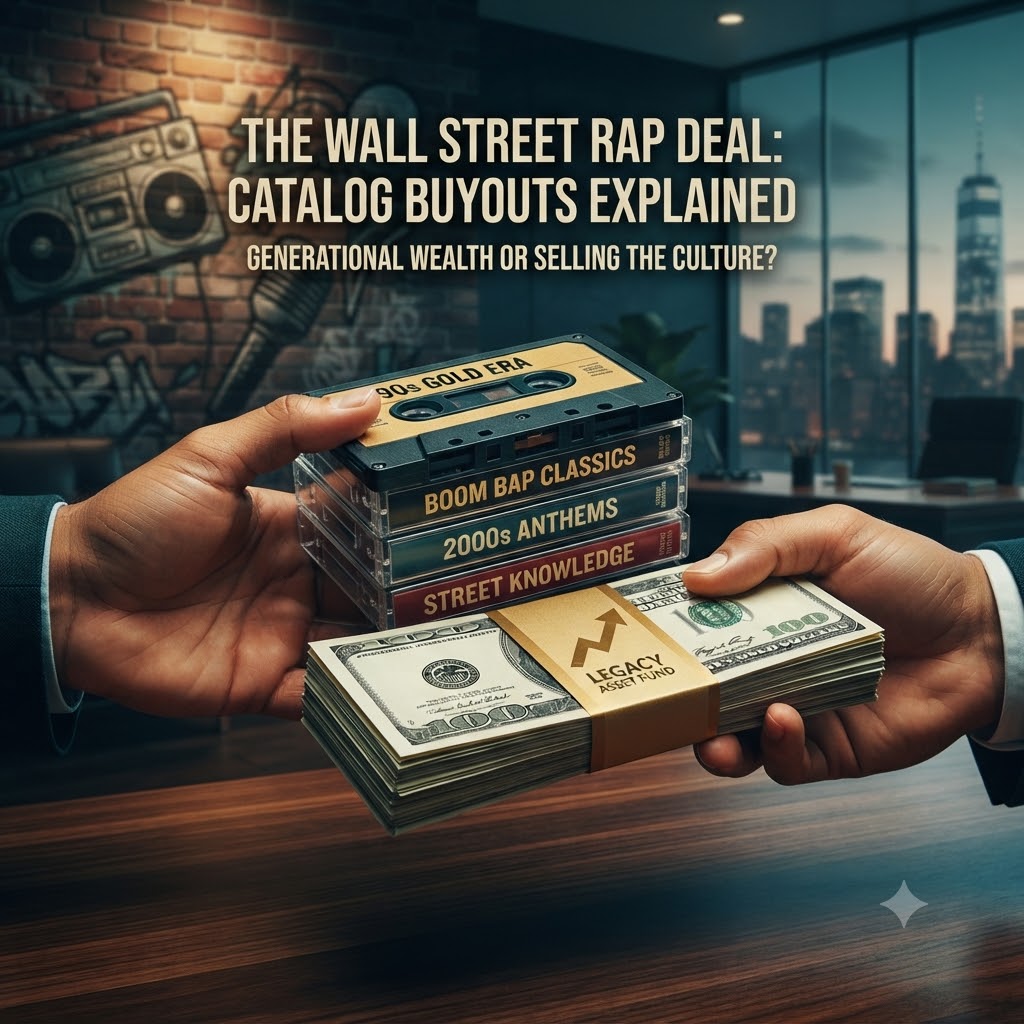
If you’ve kept up with music news over the last few years, you’ve probably noticed a wild trend: some of the biggest names from hip-hop’s golden eras are selling off their publishing rights. We aren’t just talking about a couple of deep cuts, either. Major 90s and 2000s rap legends, producers, and songwriters are handing over the keys to their entire life’s work to private equity firms and investment funds for massive, life-changing payouts.
To old-school purists, it can feel a little jarring seeing Wall Street cash buying up street anthems. But if you look at the numbers, it’s arguably the smartest financial move these artists can make.
Here is a breakdown of why this multi-million dollar gold rush is happening, why private equity is obsessed with hip-hop, and what it means for the culture.
Why Private Equity Is Suddenly Obsessed With Rap Catalogs
For decades, Wall Street funds parked their money in safe, boring assets like real estate, tech stocks, and government bonds. Music copyrights? Those were considered way too volatile.
Streaming changed all of that completely.
-
The Streaming Safety Net: Instead of waiting on a massive quarterly CD-sales check, streaming platforms generate steady, predictable micro-payments around the clock.
-
Recession-Proof Nostalgia: People listen to music no matter what the economy is doing. Whether it is background streaming, a sync placement in a Netflix show, or a classic radio spin, legacy hip-hop tracks act like high-yield bonds.
-
Deep Pockets: Institutional giants (think firms like Blackstone and Shamrock Capital) have billions sitting around looking for steady returns, and they realized that timeless music catalogs check every single box.
The Sweet Spot: Why 90s and 2000s Hip-Hop?
There’s a reason you see so many artists from the golden eras of boom-bap and the bling-bling era making these deals, rather than brand-new SoundCloud or TikTok acts.
It comes down to simple math and nostalgia. The kids who grew up blasting 90s anthems in their Honda Civics or riding around to 2000s club bangers are now adults with disposable income, buying tickets, streaming retro playlists, and driving the demand.
For an investment fund, a track that has survived 20 or 30 years isn’t a gamble anymore. It’s a proven, stress-tested asset. They know people are still going to be listening to these hooks decades from now.
Why Artists Are Finally Selling
Nobody wakes up wanting to give up the rights to their crown jewels unless the incentives are massive. For the architects of modern rap, there are usually four major reasons behind the sale:
-
Securing the Bag Now: Taking a massive, lump-sum payout wipes out the guesswork of where streaming trends or copyright laws might be in ten years.
-
Smart Taxes: In many cases, cashing out via a catalog sale allows creators to benefit from capital gains tax rates instead of getting hit by heavy ordinary income taxes on year-to-year royalties.
-
Simplifying the Estate: Managing hundreds of publishing shares, samples, and split sheets is an absolute nightmare. Selling gives artists a clean financial slate to pass down to their kids without the legal headaches.
-
Fueling New Ventures: A lot of these legends aren’t retiring; they are taking that cash infusion to build tech startups, invest in real estate, launch venture funds, or fund independent creative projects.
Wrapping It Up
The marriage between Wall Street and hip-hop royalty proves just how far the culture has come. What started in the parks of the Bronx has evolved into an institutional-grade asset class that traditional finance can no longer ignore.
Sure, it feels weird seeing corporate boardrooms own a piece of hip-hop history. But at the end of the day, securing generational wealth for the pioneers who built this genre? That’s the ultimate hustle.