Every single late autumn, the hip-hop group chats and artist forums hit the exact same panic button: when does spotify wrapped stop tracking streams 2026?
If you are an independent rapper, manager, or producer, that annual data cutoff isn’t just a fun piece of internet trivia. It literally dictates how your year-end stats look, how your listeners perceive your growth, and when you should actually hit “publish” on your fourth-quarter releases. The internet is full of rumors about exact midnight deadlines and secret extension dates, but the underlying reality of Spotify’s algorithm is much more straightforward—and far more strategic than most indie artists realize.
Here is the real breakdown of how the annual tracking window functions, why dropping a project in late November is far from a wasted effort, and how you can turn late-year music drops into a massive head start for your upcoming analytics.
When Does Spotify Wrapped Stop Tracking Streams in 2026?
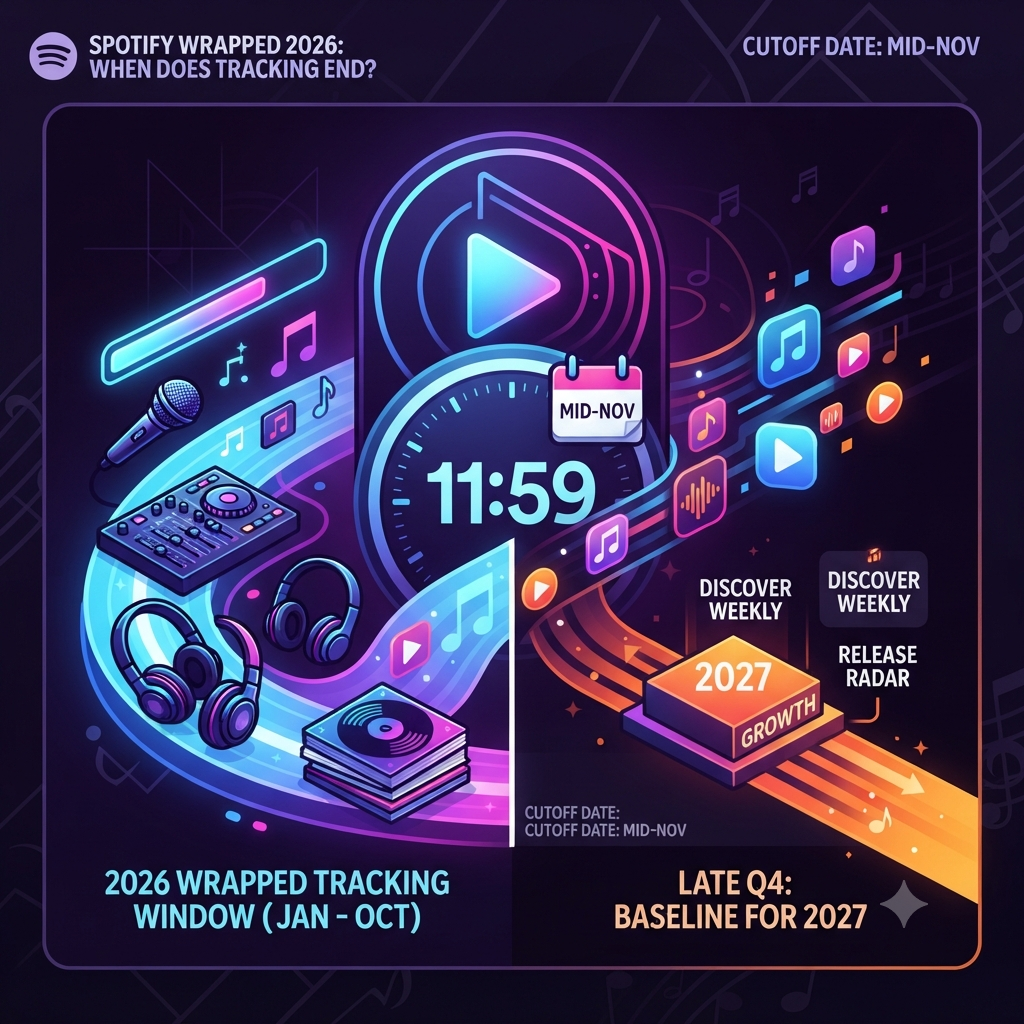
Historically, Spotify’s data aggregation window for Wrapped closes between October 31 and mid-November. While the final, polished Wrapped experience hits listener phones in early December, the platform has to pull the plug on active data collection weeks in advance. Gathering billions of data points, verifying legitimate stream counts, filtering out bot activity, and generating personalized visual cards for millions of global users takes serious lead time.
For anyone planning their 2026 release schedule, that window splits your calendar cleanly into two distinct operational phases:
-
January 1 through Late October: Every single stream, save, playlist add, and repeat listen during this stretch directly feeds your 2026 Spotify Wrapped totals, listener counts, top-track rankings, and top-artist placements.
-
Late November through December: Tracks dropped after the tracking cutoff won’t make it onto your current year’s Wrapped recap. The data stops tallying for the current cycle the moment the internal cutoff hits.
Understanding this timing saves you from the frustration of releasing a massive single on November 20th and wondering why it didn’t register on your annual artist report card a week later.
The Late November Release Dilemma: Missed Window or Strategic Foundation?
A common trap independent artists fall into is freezing their release calendar the moment October ends. The logic sounds reasonable on the surface: “If it won’t show up on my 2026 Wrapped, why waste the release now? I’ll just hold it until January.”
Holding your music out of fear of missing a year-end graphic is a massive strategic mistake. Missing the current year’s tracking window on a late November release isn’t a lost opportunity—it is a powerful, uncrowded runway for your long-term growth.
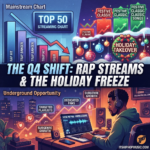
When major label acts slow down their release schedules heading into the winter holidays, independent hip-hop artists have a unique window of opportunity. Streams generated across November and December don’t vanish into a void. Instead, they build immediate momentum that carries directly into the brand-new tracking cycle. Rather than viewing late-year drops as “too late” for Wrapped, smart independent artists treat those late Q4 releases as the concrete foundation for their 2027 analytics baseline.
1. Heating Up Algorithmic Engines
Spotify’s recommendation systems—specifically Discover Weekly, Release Radar, and Radio seeds—do not care about calendar years or Wrapped deadlines. They care about active, real-time listener engagement. Dropping high-quality music in November fuels these algorithmic engines while listener attention is exceptionally high over the holidays. When listeners add your late-year single to their personal holiday playlists, that signal trains the algorithm to push your catalog to similar ears the moment January rolls around.
2. Capitalizing on High Listener Intake
During late autumn and the winter holidays, streaming volume surges worldwide. People have time off, commute to visit family, and spend hours streaming music while relaxing or hosting gatherings. Releasing music during this period taps into an active audience looking for new additions to their daily rotation.
3. Immediate Entry into Next Year’s Data Pool
The moment Spotify closes the gates on the current year’s Wrapped, the counter for the next year begins processing behind the scenes. Every stream logged in late November and December starts stacking up immediately toward your 2027 Wrapped metrics. Dropping late in the year means you walk into January 1st with established momentum, active monthly listeners, and an existing streaming baseline, rather than starting from zero alongside everyone else who waited for the new year to drop.
Instead of stalling your schedule and letting your audience interest cool off, smart creators choose to reinvest in building verified momentum heading into the new year with our hip-hop music promotion channels.
How Independent Rappers Should Play the Cutoff
To make sure your catalog performs at its absolute peak year after year, your release strategy needs to balance current-year presentation with long-term trajectory. Here is a practical roadmap for managing your releases around the cutoff:
[Q1 - Q3: Push Wrapped Lead Tracks] ──> [Late Oct/Nov: Cutoff Hits] ──> [Q4: Build 2027 Baseline]
Plan Your Wrapped-Focused Anchors Early (Q1 through Q3)
If your primary objective is to push your annual artist stats as high as possible—maximizing top-line numbers like total streams, hours listened, and total listeners to show off on social media—aim to drop your biggest singles and core projects between January and August. This gives your audience a minimum of two to six months to stream those projects repeatedly, securing them a dominant spot in your current year’s stats.
Use Q4 for Project Previews, Mixtapes, and Baseline Builders
Use the late-autumn and winter stretch for strategic releases: lead singles for an upcoming spring album, promotional mixtapes, or high-energy collaborations. This keeps your fan base engaged without stressing over whether the stream numbers will register before the annual cutoff.
Double Down on Playlist Positioning
Because radio and major editorial playlists often shift toward holiday programming late in the year, independent playlisting becomes your strongest growth lever. Pitching your music to independent, genre-specific hip-hop playlists during November and December ensures sustained stream volume while major channels are preoccupied with seasonal music.
Keep a Consistent Release Cadence
In the current streaming ecosystem, consistency beats artificial timing tricks every single time. An artist who drops quality music consistently every six to eight weeks will almost always outperform an artist who holds back finished music for six months just to align with an arbitrary Wrapped tracking date.
Building Long-Term Catalog Value Beyond the Hype
At the end of the day, Spotify Wrapped is a fantastic promotional visual and a great milestone marker for your community, but it is only a snapshot of a single moment in time. True career sustainability in hip-hop comes from catalog depth, recurring listener habits, and building a loyal fan base that sticks around long after the annual graphics fade from social feeds.
Focusing exclusively on chasing year-end numbers can lead to shortsighted decision-making. Focus instead on establishing a steady drumbeat of releases, engaging directly with your core audience, and ensuring that every project receives the dedicated promotional push it deserves regardless of what month it lands on the calendar.
🚀 Prime Your Catalog for Next Year’s Growth: Build the streaming momentum that shows up on 2027 Wrapped charts. Submit your track through our Music Submission Portal.