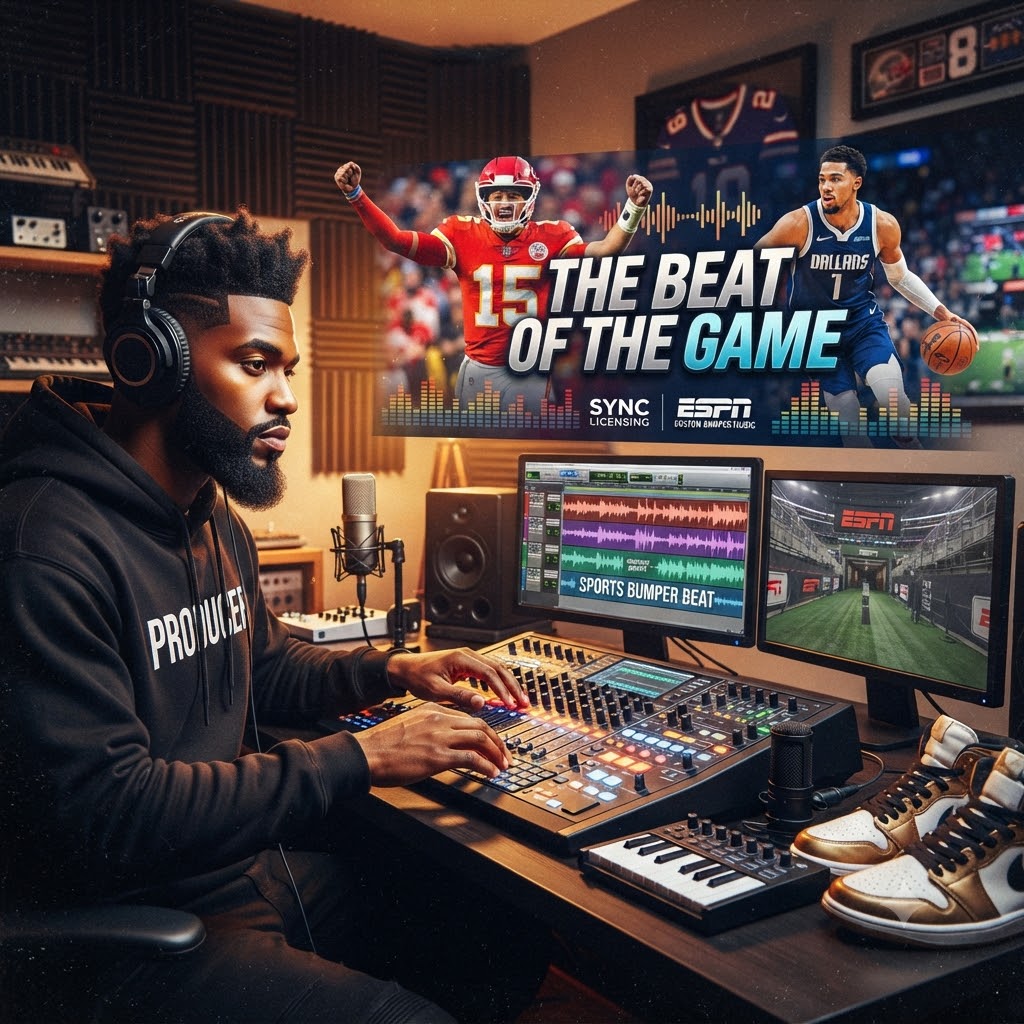
The Beat of the Game: Why ESPN and FOX Sports Are Betting Big on Indie Hip-Hop Producers
If you tune into a marquee NFL matchup on FOX or a high-stakes NBA showdown on ESPN, chances are you’ve noticed a major shift in the audio landscape. Gone are the days when commercial breaks were ushered in by generic, corporate rock loops or cheesy brass horns.
Instead, millions of sports fans are getting hit with heavy 808s, intricate trap hi-hats, soulful vocal chops, and cinematic horn arrangements that sound straight out of a Metro Boomin or Alchemist studio session.
Behind this sonic revolution is a massive shift in sync licensing. Major sports broadcasters like ESPN, FOX Sports, and NBC are increasingly bypassing traditional production music houses. Instead, they are sliding into the DMs and inboxes of independent hip-hop producers to compose custom bumper music, transition themes, and game-day highlights.
Why is corporate sports media suddenly turning to underground and indie hip-hop talent? Let’s take a deep dive into the business, the culture, and the strategy behind the sound.
The Cultural Collision: Why Sports and Hip-Hop Are Inseparable
Sports and hip-hop have been running parallel for decades, but modern broadcasting treats them as a single ecosystem. If you watch a pre-game tunnel walk today, athletes aren’t wearing suits; they’re rocking high-end streetwear, designer sneakers, and listening to underground rap through high-end headphones. The pre-game walk has literally turned into a runway fashion show, and hip-hop is the soundtrack.
Broadcasters realized that traditional production music—often sterile, overly polished, and written by committee—completely failed to capture the actual cultural pulse of the athletes and fans.
Networks finally figured out that if a twenty-something NBA star is pulling up to the arena bumping a gritty boom-bap beat or a hard-hitting trap instrumental, the broadcast should match that energy. By partnering with indie hip-hop producers, networks infuse their broadcasts with authenticity. When a high-energy beat kicks in right before a crucial third-down commercial break, it mirrors the exact playlist pulsing through the stadium speakers and the players’ locker rooms.
Custom Bumper Music vs. Stock Libraries: The Pacing Problem
In the old days of television production, music supervisors relied heavily on pre-existing “production music libraries.” These were digital catalogs filled with thousands of generic tracks designed to stay out of the way, sound completely neutral, and avoid stepping on the toes of the commentators.
Today, pacing is everything in sports media.
Sports broadcasts are high-octane, fast-twitch visual mediums. Between split-second replay reviews, lightning-fast transitions, and dramatic score updates, television directors need custom bumper music—short, 5-to-15-second musical stingers—that can match rapid-fire cuts.
Indie hip-hop producers are uniquely positioned to win in this space because modern beat-making inherently relies on:
-
Instant Hook-Driven Dynamics: Producers know how to build tension and make a beat “drop” or resolve within a tight 4-bar loop.
-
Sonic Space and Frequency Separation: Unlike dense orchestral arrangements or heavy distorted rock guitars that clash directly with human speech, a well-crafted hip-hop beat leaves a massive sonic pocket in the middle frequencies. This allows commentators like Joe Buck, Mike Breen, or Kirk Herbstreit to talk right over the beat without muddying the broadcast mix.
-
Agile Customizability: Working directly with indie producers allows network audio directors to request specific stems. They can easily strip out the drums for a serious injury update or isolate the brass and sub-bass for a high-energy hype montage.
Streamlined Sync Licensing: Cutting Through the Red Tape
Let’s be honest: securing commercial tracks from major-label hip-hop artists can be an absolute legal and financial nightmare for television networks. Clearing samples, negotiating master rights with major labels, and dealing with a tangled web of publishers can stall a television production faster than a booth review.
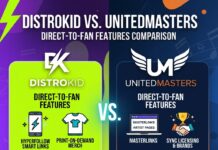
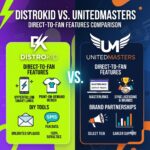
To solve this bottleneck, networks and modern music curation platforms—such as UnitedMasters, which has facilitated major sports sync partnerships with ESPN and the NBA—have built direct pipelines to the independent community.
For indie producers, one-stop sync licensing changes the game. When a producer owns 100% of both the publishing and the master rights, business becomes frictionless. Broadcasters get a legally cleared, broadcast-ready track instantly without waiting weeks for label approval, and the producer gets a reliable payday, valuable global exposure, and back-end performance royalties via Performing Rights Organizations (PROs) like ASCAP or BMI.
A Symbiotic Relationship: Career Acceleration for Independent Creators
This movement isn’t just a win for the networks—it’s a life-changing opportunity for independent creators. For an indie hip-hop producer grinding out of a home studio in Atlanta, Chicago, or London, having a beat featured during a primetime Monday Night Football broadcast or an NBA Christmas Day game is a massive career catalyst.
A single network placement provides:
-
Instant Industry Credibility: Having a major network stamp your sound acts as a massive social proof badge in the producer community.
-
Cross-Platform Discovery: Millions of sports viewers actively Shazam tracks or search out game-day playlists on Spotify and Apple Music, driving direct-to-consumer streaming revenue and massive social media growth for independent artists.
-
Expansion into Other Media: A successful sports sync often opens doors into video game soundtracks (think EA Sports or 2K), film trailers, and high-end commercial advertising.
Looking Ahead: The Future of Audio in Sports Broadcasting
The marriage of sports broadcasting and indie hip-hop production is here to stay, and it’s only going to get deeper. As networks fight tooth and nail to capture younger demographics who consume sports via short-form highlights, TikTok clips, and streaming platforms, the traditional audio playbook simply won’t cut it anymore.
By handing the keys over to independent beatmakers and modern music curators, giants like ESPN and FOX Sports have successfully modernized the sonic identity of live sports. They’ve proven a simple truth: the best hype man for a game-winning drive or a buzzer-beater isn’t a traditional marching band—it’s a hard-hitting, expertly crafted indie hip-hop beat.