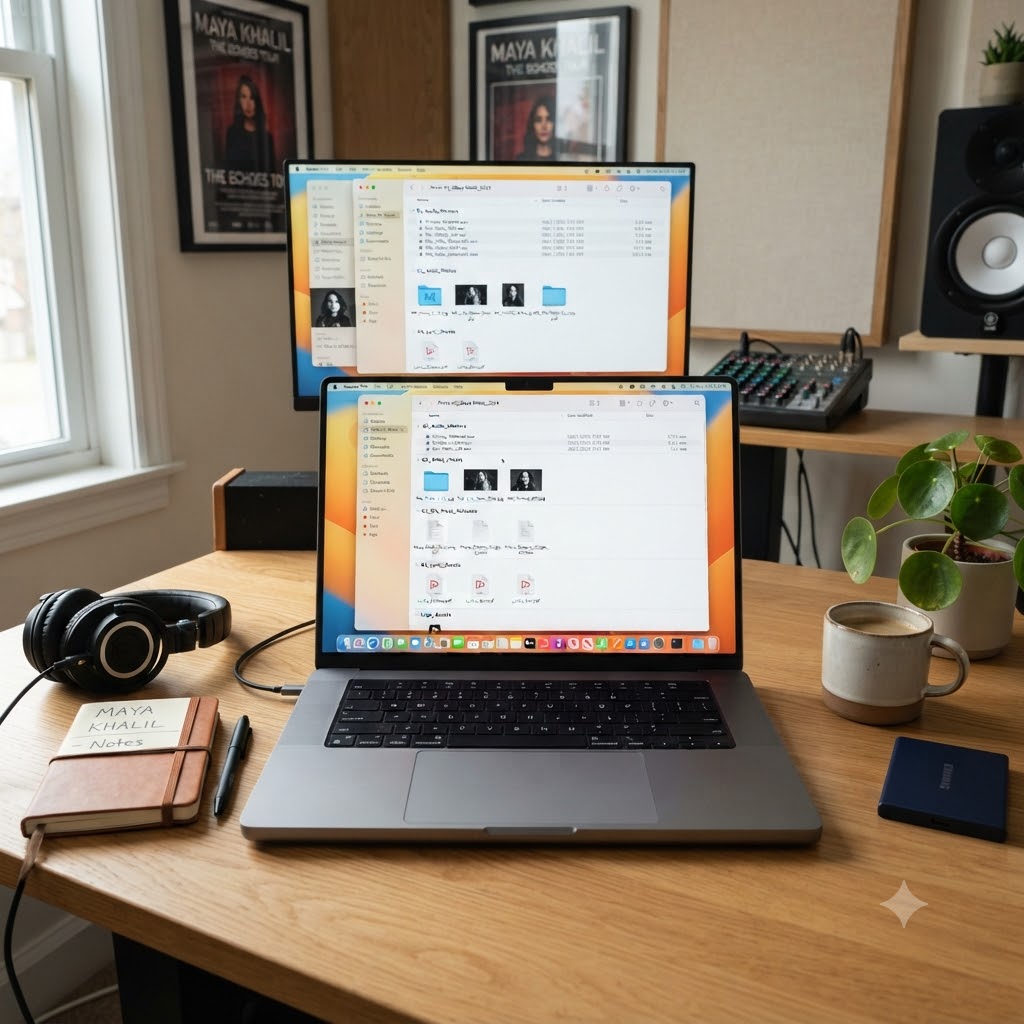
The Ultimate Media Asset Folder Checklist: What Journalists Actually Look For in a Dropbox Press Kit
Let’s be honest for a second. If you’re an independent artist, manager, or label runner, putting together a press kit can feel like shouting into a void. You spend weeks recording, mixing, mastering, and scheduling a release, only to drop a messy Google Drive link into an email and wonder why music journalists, bloggers, and playlist curators leave you on read.
Here is the hard truth: music writers are busy, underpaid, and drowning in submissions. When a journalist opens your press kit, they aren’t looking for a treasure hunt. They are working against a brutal deadline, and they want a frictionless, high-speed experience where every single asset they need to write a compelling feature or review is right in front of them.
If your Dropbox folder is a chaotic maze of unlabeled audio files, pixelated selfies, and broken links, you’re making their job harder. And when you make a journalist’s job harder, they simply move on to the next artist.
If you want to win over press gatekeepers, you need to treat your press kit like a high-end storefront. Let’s break down the ultimate media asset folder checklist to help you build a Dropbox press kit that actually converts views into features, reviews, and industry buzz.
Why Your Current Press Kit Might Be Costing You Coverage
Before we dive into the specific folder structure, let’s talk psychology. Most artists throw everything they have ever created—from high school band photos to 15 different versions of an MP3—into one massive folder and slap a share link on it.
To a writer, that screams amateur hour.
A great electronic press kit (EPK) or media asset folder should feel intentional. It should tell your story before they even press play on the track. When a writer lands in your Dropbox, they are scanning for four distinct pillars: audio access, a compelling narrative, clean visuals, and lyric/metadata transparency.
Let’s walk through how to build each section so it’s optimized for search engines, human readability, and maximum editorial impact.
1. Clean, Organized Smart-Links and Broadcast Audio
The absolute first thing a music journalist or DJ needs to do is listen to your music. Yet, so many artists make this entirely too difficult.
If a writer has to download a massive, uncompressed 50MB WAV file just to see if your song fits the vibe of their blog, you’ve already lost them. Bandwidth is precious, and friction kills momentum.
-
Put Streaming First: Include a clean, unlisted Soundcloud, Audiomack, or private streaming link right at the top of your text files or folder description. Give them a quick way to sample the track instantly.
-
Broadcast-Quality Downloads: For radio DJs, tastemakers, and reviewers who need high-res files for broadcast or deep listening, provide both tagged and untagged high-res WAV files (24-bit/48kHz or 16-bit/44.1kHz). Clearly label them so there’s zero confusion.
-
Centralized Landing Pages: Link to a service like Linktree, Feature.fm, or your official website that houses every major streaming platform (Spotify, Apple Music, Tidal, YouTube). Test these links twice before sending out any pitches to ensure there are no dead ends.
SEO Tip for Audio Assets
When naming your audio files, avoid generic names like Master_Final_Mix_3.wav. Instead, use clean, keyword-rich naming conventions that search engines and desktop search tools love: ArtistName-SongTitle-Official-Single-2026.wav. It helps music supervisors and sync agents find your tracks instantly when sorting through local drives.
2. The Short, Punchy Bio (And the Extended Story)
Writers hate writing bios from scratch. A great press kit provides copy-pasteable narratives that fit different publication formats. If a blog only has space for a 50-word blurb, don’t force them to dig through a three-page life story. Give them options broken down by length:
-
The Logline (1-2 sentences): A punchy, high-impact hook defining who you are, your sonic lane, and what makes your latest project unique. Think of this as your elevator pitch.
-
The Short Bio (50–100 words): Perfect for quick blog write-ups, event listings, or DJ introductions on terrestrial and internet radio.
-
The Full Press Bio (300–500 words): A deeper dive into your creative origin story, musical influences, major milestones, and the underlying themes of your current release.
-
The Format Rule: Always provide these as clean
.docxor.txtfiles rather than locked PDFs. Writers need to be able to lift quotes and background info seamlessly.
3. High-Resolution Press Photos That Actually Fit Layouts
Visuals can completely make or break a feature pitch. A music blog or digital magazine needs high-quality imagery that fits multiple layouts—from vertical social media stories to horizontal website headers and square album art grids.
-
The Essentials Mix: Include a healthy blend of professional studio press shots, gritty live performance photos, and authentic behind-the-scenes (BTS) shots from the studio or video shoot.
-
Resolution Specs: Always provide images at 300 DPI, ideally measuring at least 2000px on the shortest side, ensuring they look crisp whether they are printed in a physical zine or blown up on a digital banner.
-
Crop Variety: Give editors both vertical and horizontal crops. Nothing frustrates an art director more than having to awkwardly crop an artist’s face out of a tight horizontal shot to make it fit a vertical layout.
-
The Credits Document: Always include a text file titled
photo-credits.txtinside your photos folder. List the photographer’s full name and their social media handles so they get proper attribution every single time their work is published.
4. Lyric Sheets, Tracklists, and Metadata Transparency
For lyricists, hip-hop artists, alternative singer-songwriters, and R&B visionaries, the words matter just as much as the production value.
-
Clean Lyric Files: Provide typed PDF or text files of the lyrics for your primary singles or full-length projects. This is essential for lyric breakdown videos, genius annotations, or music reviews that want to quote specific bars or verses accurately.
-
Detailed Credits: Include a metadata document detailing producers, featured artists, mix/master engineers, and songwriters. Music bloggers love shouting out the behind-the-scenes talent, and having this data readily available makes you look like a seasoned professional.
Elevating Your Industry Credibility
Having a pristine, perfectly organized Dropbox press kit proves to the world that you take your craft seriously. But in a crowded digital landscape, presentation is only half the battle. To truly turn heads—and convince talent buyers, playlist curators, and music supervisors that you are worth the investment—you need verified third-party validation.