Legal Gridlock: Why Diddy’s Defense Team Walked Away Over Unpaid Bills
If you thought Sean “Diddy” Combs only had to worry about federal courtrooms and high-stakes criminal allegations, recent court filings prove the trouble follows him straight to the civil docket. But this time, the opponent isn’t a prosecutor or an accuser—it’s his own legal representation.
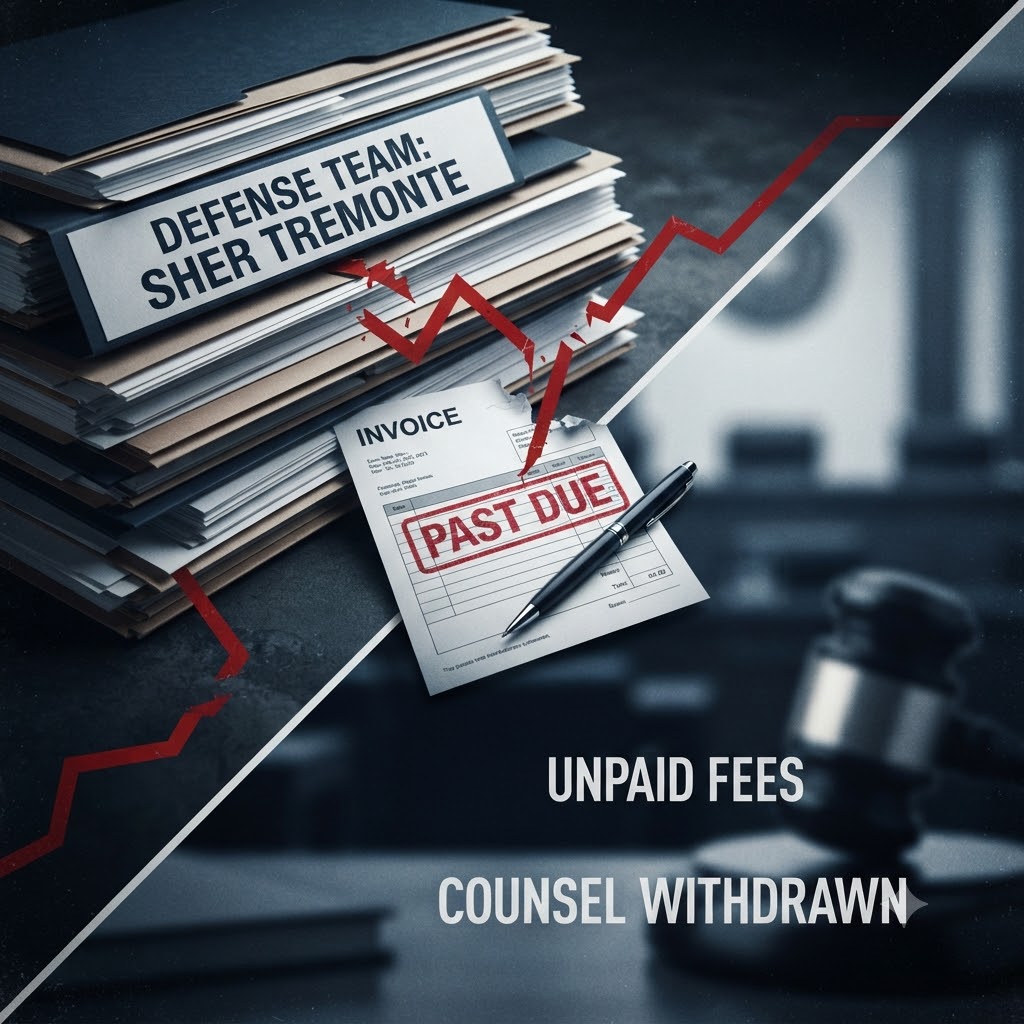
Recent court documents spilled details about a massive falling out between the music mogul and his primary defense team at Sher Tremonte LLP, the firm handling his high-profile $100 million defamation lawsuit. Instead of plotting strategy to fight the ongoing civil battles, the lawyers are actively trying to cut ties, citing months of unpaid bills and a complete breakdown in communication.
For an empire that once projected untouchable wealth and power, the optics of a defense team jumping ship over overdue invoices paint a very different picture. Let’s dive into what the court documents actually say, why the lawyers pulled the plug, and what this means for Combs moving forward.
Inside the Motion: What Went Wrong Between Diddy and Sher Tremonte?
When top-tier attorneys step away from a high-profile client mid-litigation, it rarely happens quietly. According to declarations filed by attorney Michael Tremonte in a New York federal court, the working relationship hit a definitive wall.
The friction essentially boils down to two major issues:
-
The Money Trail: The firm stated that Combs has left a “substantial balance” in unpaid legal fees, costs, and expenses. According to the filings, the bills have piled up for over six months, with the last meaningful payment covering work performed way back in late 2025.
-
Radio Silence: Beyond the unpaid invoices, the firm pointed out that Combs—who is currently incarcerated—became completely uncooperative. Attorneys claimed they went months without being able to have timely or substantive discussions with him regarding the direction of the case. Under those conditions, the firm argued that providing effective representation became “unreasonably difficult”.
Diddy Strikes Back: The Counter-Claims Over Billed Hours
Of course, in a legal battle this messy, there are always two sides to the story. It didn’t take long for Combs’ camp to fire back through a spokesperson, offering a sharply contrasting version of events.
Combs pushed back hard against the narrative that he simply refused to pay his bills. Instead, his camp framed the separation as a deliberate choice on his end to switch lawyers due to billing disputes.
“I won’t let anyone take advantage of me by overcharging me and running up bills that were never approved,” Combs stated through his spokesperson, Juda Engelmayer.
The defense firm, however, didn’t let those accusations linger. Michael Tremonte and his team firmly rejected any suggestion of padding bills or overcharging, maintaining that they handled his defense “zealously and very efficiently under challenging circumstances” and that the withdrawal is simply the natural consequence of unpaid work.
The Domino Effect: What Happens to the $100 Million Defamation Lawsuit?
The timing of this legal fallout couldn’t be worse for Combs’ civil strategy. The $100 million defamation lawsuit—originally launched to push back against damaging claims—is still very much active.
When a primary defense firm bails out because of unpaid fees, it triggers a chain reaction that can seriously handicap a litigant:
-
Scrambling for New Counsel: Finding lawyers willing to step into a massive, highly scrutinized federal case midstream is tough enough. Finding one willing to do so when the previous high-profile firm just complained about getting paid is an even steeper hill to climb.
-
Delayed Proceedings: Every time a legal team withdraws and new lawyers have to onboard, the court clock slows down. Reviewing thousands of pages of discovery, previous motions, and depositions takes months.
-
The File Dispute: Rumors and standard legal maneuvering in situations like this often involve liens on case files. When firms aren’t paid, they sometimes attempt to hold onto records until accounts are settled, creating administrative bottlenecks for incoming attorneys.
Is the Money Drying Up?
For months, casual observers and legal analysts have watched the mountain of legal fees pile up against Combs. Between defending federal criminal charges and fighting a wave of aggressive civil suits, the burn rate for legal defense is astronomical.
While high-profile figures frequently cycle through legal talent, public fallout over unpaid invoices points to potential liquidity strains. Managing an ongoing legal defense requires millions of dollars in retainer fees and expert witness costs. If the funding pipeline slows down, even the most formidable legal walls start to crumble from the inside out.
As federal judges review the motions for withdrawal and sort through the cleanup of the civil docket, one thing is clear: Sean Combs’ legal battles are no longer just about the courtroom allegations. They are rapidly turning into an administrative and financial war of attrition.