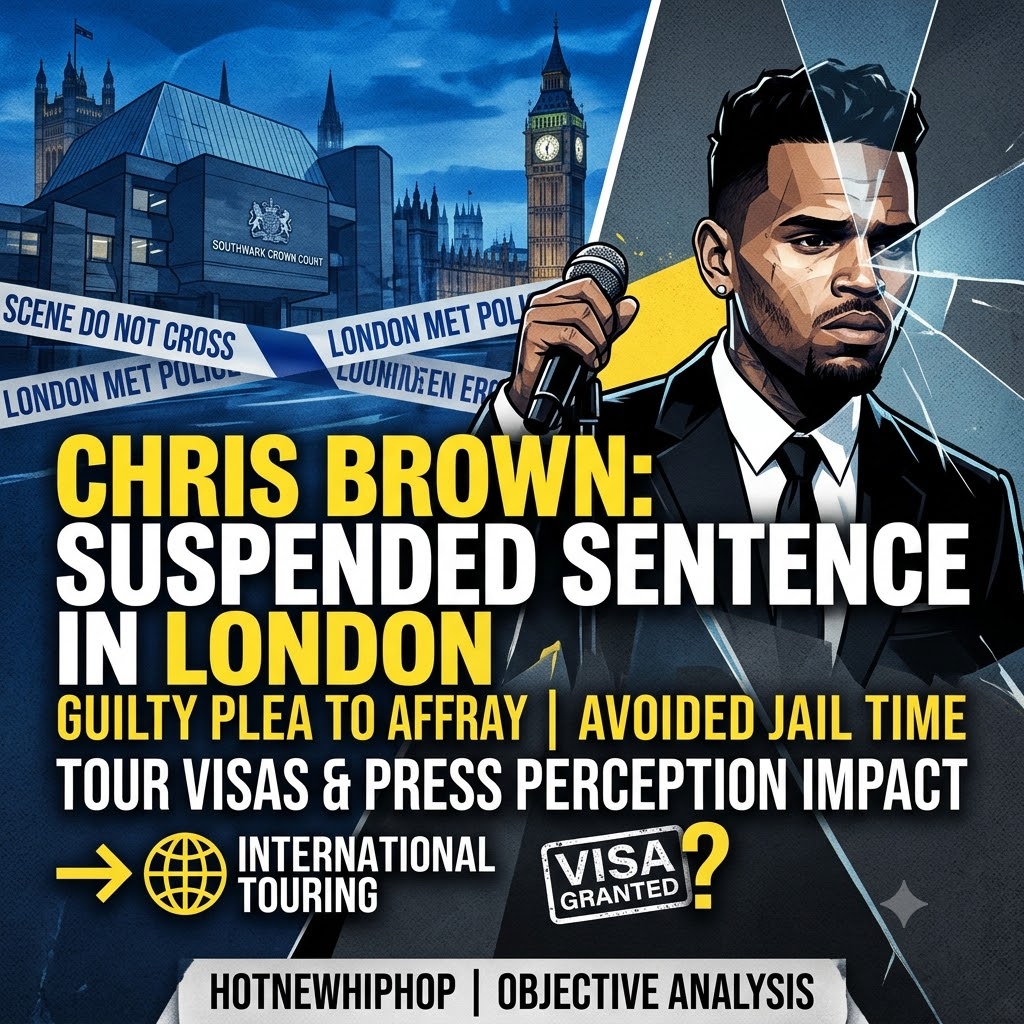
Chris Brown Avoids Prison Time in London Nightclub Assault Case: How Legal Scrutiny Reshapes International Touring Visas and Press Perception
When a high-profile artist makes headline news for a courtroom appearance rather than a record-breaking arena run, the ripple effects extend far beyond the immediate verdict. American R&B singer Chris Brown recently walked away from London’s Southwark Crown Court with an eight-month suspended prison sentence after pleading guilty to affray. The charge traces back to a February 2023 incident inside the VIP area of Mayfair’s exclusive Tape nightclub, where an altercation escalated and Brown struck music producer Abraham Diaw with a tequila bottle.
While the ruling allows the star to skip immediate jail time, it reopens a complex conversation across the music industry. For touring musicians, label executives, and independent artists alike, legal trouble in foreign territories isn’t just a PR nightmare—it can permanently restructure an artist’s global career, restrict international border clearance, and reshape public perception.
The London Incident and Court Verdict Breakdown
To understand the weight of the sentence, it helps to look at how the case unfolded through the UK legal system. The prosecution presented CCTV footage from the night in question showing a brief, 20-second confrontation inside the club. Following the incident, Brown departed the country, but the investigation remained open.
When Brown returned to the United Kingdom in May 2025 as part of his global touring schedule, law enforcement moved quickly, arresting the artist and initially charging him with intent to inflict grievous bodily harm—a severe offense carrying potential multi-year prison terms.
By July 2026, the legal narrative shifted. Prosecutors accepted a guilty plea for the reduced charge of affray, which focuses on violent disorder causing public fear. Judge Tony Baumgartner did not mince words during sentencing, calling the bottle attack “plainly dangerous.” However, citing the brief and unplanned nature of the scuffle, alongside the defense’s arguments, the court opted to suspend the custodial sentence. Brown avoided time behind bars, but the conviction remains on his international record.
How Foreign Convictions Impact International Touring Visas
For mainstream superstars, dodging a prison cell might feel like a victory, but the operational aftermath of a foreign criminal conviction is a massive headache for tour managers and legal teams. Modern border control agencies evaluate entry permits through strict character tests, and an admission of violent conduct can tie up global travel for years.
Mandatory Character Reviews and Travel Bans
Countries like Australia, New Zealand, Japan, and the United Kingdom have explicit character requirements written into their immigration laws. A criminal record—even one involving a suspended sentence or a reduced charge—can trigger automatic visa rejections or lengthy administrative appeals. Independent artists and headliners face the real risk of having multi-million-dollar legs of a world tour canceled because a host country refuses entry at customs.
Financial Risk, Bail Bonds, and Escrow Fees
Resolving legal matters on foreign soil is an absurdly expensive endeavor. Staying mobile while fighting charges abroad requires vast financial reserves. In Brown’s case, securing temporary freedom while awaiting sentencing required posting a massive £5 million security deposit. For acts operating on tighter margins, these kinds of upfront legal guarantees can completely drain tour profits before a single show is played.
Insurance Premiums and Venue Contracts
Promoters, stadium operators, and insurance underwriters closely monitor an artist’s legal status. When a performer carries active legal conditions or a history of violent altercations, venue insurance policies spike. Promoters often respond by adding strict indemnification clauses, raising security requirements on site, or reducing cash advances to protect themselves against last-minute cancellations or on-premises liability.
Public Optics and Navigating Media Perception
Beyond the legal hurdles, an artist’s public image takes a direct hit whenever court dates overshadow record releases. In hip-hop and modern R&B, where personal narrative is deeply tied to brand identity, keeping the narrative focused on musical artistry takes constant work.
When mainstream headlines hyper-fixate on legal disputes, building a sustainable music career requires strong, authoritative coverage that cuts through sensationalized gossip. Serious artists need objective platforms to discuss their artistic growth, sound, and projects without being entirely drowned out by tabloid press. To maintain professional press authority that navigates international touring circles, tap into trusted platforms like our music review submission page.
Strategic Takeaways for Modern Independent Artists
While most rising musicians won’t be dealing with £5 million court bonds, Chris Brown’s case offers crucial lessons for any artist planning to take their music across national borders:
-
Understand International Laws: What might result in a simple misdemeanor fine in your home country can carry mandatory deportation or entry bans in another. Respecting regional laws is basic career protection.
-
Protect Your Live Revenue: Live performance remains the primary income stream for touring musicians. Protecting your ability to cross borders cleanly is just as important as perfecting your stage performance.
-
Invest in Credible Press: Sensational stories travel fast, but legitimate media authority lasts. Building relationships with grounded music journalists ensures your creative work remains front and center regardless of external noise.
The Road Ahead for Hip-Hop and R&B Global Tours
The outcome of Chris Brown’s London trial shows that while major-label machinery and high-powered legal teams can mitigate immediate jail time, foreign convictions leave a long-lasting print on an artist’s career footprint. As international border authorities continue to digitize records and streamline character checks, compliance and clean public perception are no longer optional—they are essential tour strategy.
Ready for an objective breakdown of your latest project? Submit your track via our Music Review Page.