Odd Future’s Cryptic Teaser & Fan Expectations: Handling Nostalgia Hype in the Press
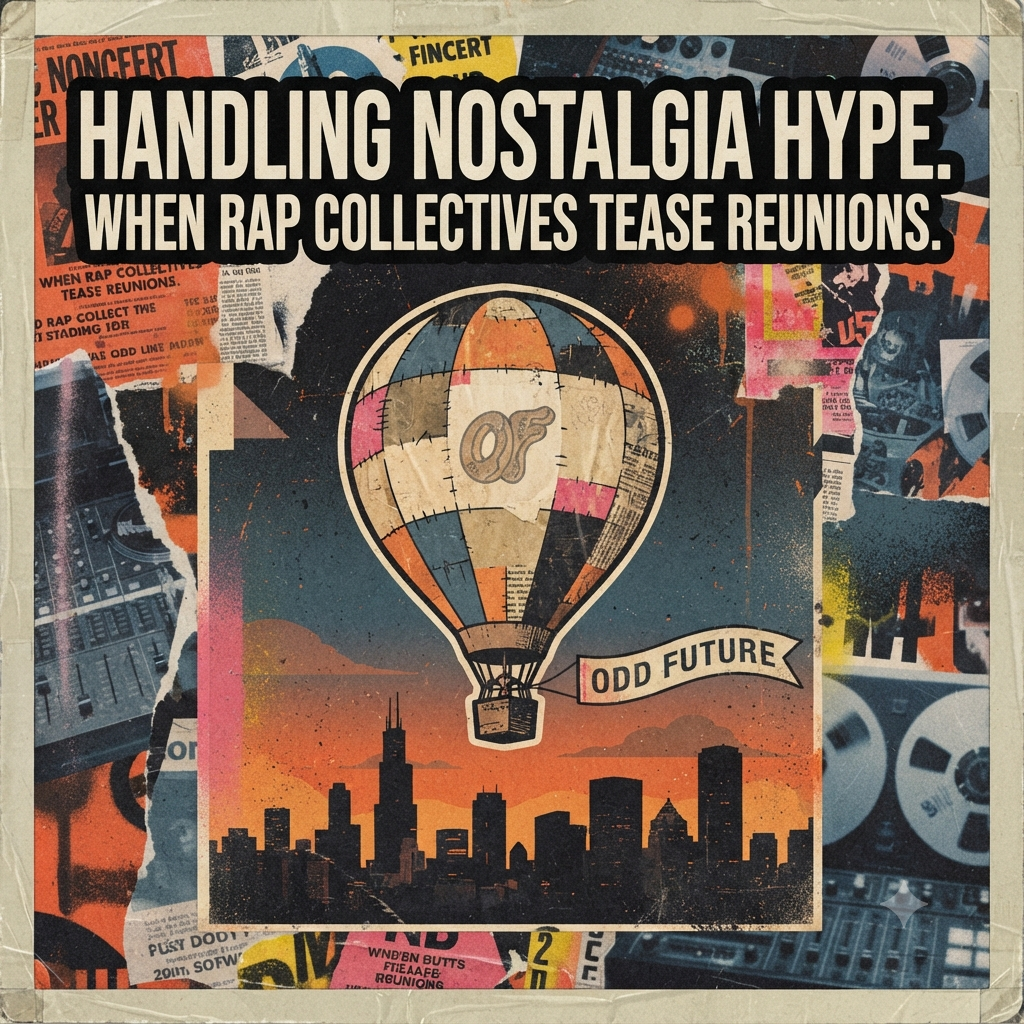
When Odd Future’s dormant social media accounts suddenly came back to life in November 2026 with a cryptic hot-air-balloon graphic and a single timestamp—”ODD FUTURE – NOVEMBER 23 8AM PT”—hip-hop Twitter and Reddit lost their minds. Within minutes, blogs, Instagram news pages, and music journalists ran with the post. The immediate assumption across the timeline was obvious: Tyler, The Creator, Earl Sweatshirt, Frank Ocean, Syd, and the rest of the Wolf Gang were finally staging a musical reunion.
Right underneath the viral quote-tweets and excited group chats, though, was a loud wave of skepticism. Longtime fans openly admitted they were bracing for disappointment. Instead of a new album or a Camp Flog Gnaw surprise set, plenty of people suspected the mysterious countdown was just another nostalgia-driven merch drop.
That divide—massive viral hype colliding with immediate cynicism—is a textbook case study in how rap collectives tease reunions in media. Mystery gets you the initial headline, sure. But if you lean too hard on vague nostalgia without grounding the rollout in actual music, you risk turning your most loyal supporters against you before the project even drops.
Why Cryptic Teasers Backfire on Rap Collectives
Nostalgia is one of the easiest buttons to press in rap marketing. A familiar logo, an old font, or a cryptic date is almost guaranteed to pull organic engagement from fans who miss a specific era. The problem is that hip-hop listeners have been burned too many times by “announcements for announcements” that end up being a hoodie capsule, a vinyl repress, or a brand collaboration.
When an independent crew or legacy group relies solely on ambiguity to build press buzz, a few predictable things happen:
-
Blogs and aggregators fill in the blanks for you: Music writers are chasing clicks. If you post a blank graphic with no context, outlets are going to frame the headline around the biggest possible rumor—usually a full reunion album or tour—because that is what gets shared.
-
Fan imagination outruns reality: Left alone with a cryptic teaser, listeners start fantasy-booking tracklists and guest verses in their heads. By the time you actually reveal what you made, the real thing has to compete with a decade of built-up expectation.
-
You burn trust with your core audience: If fans spend all week arguing about a comeback tape only to get a link to a $90 t-shirt, they feel played. Once an audience feels baited by nostalgia, they stop taking your future rollouts seriously.
4 Ways Indie Rap Collectives Can Tease Reunions Without Losing Credibility
For independent rap crews, regional collectives, or friend groups who took a break to pursue solo records, coming back together is a huge moment. You want the press coverage, and you want the timeline talking—you just don’t want the conversation to curdle into complaints about clout-chasing.
If you are mapping out how rap collectives tease reunions in media, here is how to build real momentum without setting yourself up for a backlash.
1. Put Audio in the Very First Teaser
If the reunion is actually about the music, prove it immediately. You do not have to leak the whole single or ruin the surprise, but pairing your visual teaser with five seconds of an unreleased beat, a raw studio vocal tag, or muted footage of everyone in the same room changes the entire tone of the coverage.
When journalists hear a snippet, the story shifts from “Are they just selling merch?” to “What does their new sound actually feel like?” Even a rough drum loop tells fans that real studio work happened behind closed doors.
2. Be Honest About Who Is Actually Involved
A massive part of the anxiety surrounding the Odd Future teaser came down to the roster. Everyone knows Tyler, Earl, and Frank operate in completely different universes now, so fans immediately wondered if a “reunion” meant the whole crew or just two original members clearing out hard drives.
Independent collectives run into this exact same trap on a smaller scale. Maybe five rappers started the group, three stayed active, and two are jumping on for this specific EP. Do not let blogs imply it is a full original-lineup comeback if it isn’t. Frame your press pitch around the exact artists involved and why this specific combination works right now. Fans respect transparency way more than smoke and mirrors.
3. Give Journalists an Actual Story Hook
Blog editors and hip-hop writers get dozens of emails a day that read like a mystery novel with no ending. Sending a vague flyer to press contacts with a subject line that just says “11.23.26” usually gets deleted.
When you pitch a reunion or collaborative project to media outlets, give them concrete details they can actually build an article around:
-
The reason for the timing: Did everyone end up back in the same city for a weekend? Did a specific producer pull everyone back into one room?
-
The format of the release: Make it clear whether fans are getting a one-off posse cut, a six-track EP, or a full-length mixtape.
-
The sonic shift: Explain how the group’s sound has grown since the last time you dropped together. Nobody wants a forced attempt to recreate 2014—writers want to hear how you sound today.
4. Back Up the Hype With Real Critical Coverage
Social media buzz is loud, but it evaporates in 48 hours if there is nothing substantial behind it. Once the teaser phase ends and the music is finally out, you need credible voices breaking down why the project actually matters.
As you roll out your singles and press releases, back up your group announcements with verified critical coverage from our rap blog review service. Having experienced hip-hop writers analyze your chemistry, beat selection, and bars gives skeptical listeners a reason to press play—and gives you real editorial quotes to share when the initial nostalgia wave wears off.
Make the Music Bigger Than the Rollout
Odd Future’s teaser proved that a single image can still stop the hip-hop internet in its tracks, even years after a collective has gone quiet. At the same time, the instant pushback from fans showed just how tired audiences are of hype without substance.
When your collective decides to step back into the spotlight, treat nostalgia as an invitation, not the main event. Keep your press messaging grounded, let the audio speak early, and make sure the record you deliver is strong enough that nobody cares about the teaser a week later.
Ready to back up your collective’s next release with real press?
Get your collective’s project reviewed directly by our senior editorial staff. Submit via our Music Review Submission Portal.