From Shaolin to Cleveland: What Wu-Tang Clan’s Rock & Roll Hall of Fame Induction Means for Hip-Hop Legacy
When nine MCs from Staten Island came together in 1993, driven by a shared obsession with classic kung-fu cinema, obscure soul samples, and razor-sharp lyrical combat, winning institutional music honors was the absolute last thing on their minds. Wu-Tang Clan came into the game to disrupt the system, take full control of their own financial narrative, and prove that raw underground energy could dominate global culture on its own terms.
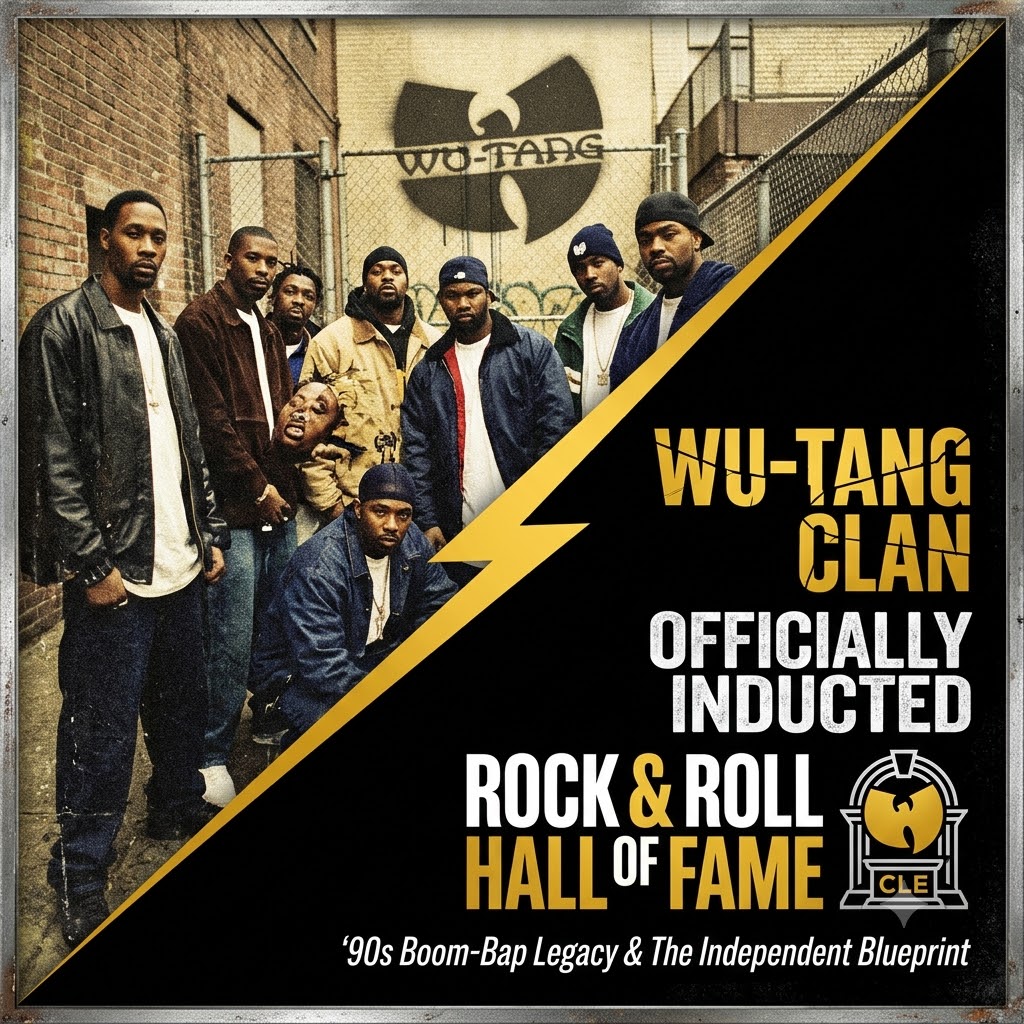
Fast forward to their official induction into the Rock & Roll Hall of Fame, and hip-hop culture is witnessing a massive, full-circle moment.
This induction is far more than a honorary victory lap or a shiny trophy for RZA, GZA, Method Man, Raekwon, Ghostface Killah, Inspectah Deck, U-God, Masta Killa, Cappadonna, and the late, immortal Ol’ Dirty Bastard. It marks a seismic cultural shift in how major heritage music institutions treat sample-heavy 90s boom-bap, independent artist infrastructure, and the long-term catalog value of rap discographies.
1. Institutional Validation for the 90s Boom-Bap Blueprint
For decades, traditional music institutions struggled to evaluate rap music with any real nuance. Industry gatekeepers often treated hip-hop longevity as a temporary trend rather than an enduring standard. Even when early rap icons made it into the Hall of Fame—think Run-D.M.C. or the Beastie Boys—those groups frequently had obvious, explicit sonic ties to rock guitars and crossover radio formats.
Wu-Tang Clan’s induction signals something completely different. Their catalog, anchored by the immortal 1993 debut Enter the Wu-Tang (36 Chambers), is unapologetically dark, dusty, and deeply rooted in raw East Coast boom-bap. RZA’s signature sound design—built on chopped soul loops, crackling vinyl pops, subterranean basslines, and eerie dialogue snippets from martial arts movies—didn’t just define a group. It set the template for an entire era of underground rap production.
By enshrining Wu-Tang Clan in Cleveland alongside global rock and pop royalty, music historians are finally admitting what real heads have known all along: gritty, sample-heavy street rap is a core pillar of modern American music architecture. Institutional recognition like this proves that boom-bap isn’t just a cozy hit of 90s nostalgia—it’s high art with serious historical prestige.
2. RZA’s Business Model: The Ultimate Blueprint for Independent Legacy
Long before streaming algorithms, social media, and modern direct-to-fan distribution existed, Wu-Tang Clan pulled off what remains one of the most brilliant business maneuvers in music history.
In the early 90s, RZA negotiated an unprecedented group record deal with Loud Records. The catch? The contract explicitly allowed every individual member of the Clan to sign solo deals with whatever competing major label they wanted.
What followed was a absolute masterclass in brand expansion and market dominance:
-
Method Man took his smooth charisma over to Def Jam for Tical
-
Ol’ Dirty Bastard brought his chaotic genius to Elektra for Return to the 36 Chambers: The Dirty Version
-
Raekwon crafted cinematic street drama for Loud with Only Built 4 Cuban Linx…
-
GZA delivered unmatched lyrical precision on Geffen with Liquid Swords
-
Ghostface Killah channeled raw emotion on Epic with Ironman
This decentralized group structure allowed Wu-Tang to completely flood the music industry, conquering the charts from every angle while keeping full artistic control and collective ownership over their core brand.
For today’s independent hip-hop artists, Wu-Tang’s Rock Hall induction isn’t just history—it’s a tactical manual. It proves that building an uncompromising, hyper-specific cultural movement can generate multi-decade catalog value without ever selling out. As emerging artists work to build their own legacies brick by brick, getting your work documented by legitimate outlets is crucial to long-term survival. Securing third-party coverage helps cement your discography’s place in hip-hop history with an official feature on our online music review platform.
3. From Underground Tape Trading to “Classic Catalog” Status
Back in hip-hop’s formative years, major record label executives routinely treated rap singles like disposable pop products with a six-month shelf life. The prevailing industry myth claimed that rap music lacked the “catalog longevity” or re-playability of rock, jazz, or pop.
Wu-Tang Clan smashed that myth to pieces decades ago, but their official Rock Hall status locks it in at an institutional level. Today, projects like Liquid Swords and Cuban Linx are dissected, archived, and curated with the exact same academic seriousness as Abbey Road or Dark Side of the Moon.
This cultural elevation completely shifts how modern independent rap acts need to view their own archives. Getting press coverage, building an archive of formal reviews, and maintaining a clear media record isn’t just about scoring a quick wave of buzz for your latest drop. It’s about establishing a permanent paper trail so future music archivists, historians, and new fans can find and contextualize your work years down the line.
4. Why Sample Clearance and Sonic Archiving Matter More Than Ever
One of the most fascinating aspects of Wu-Tang’s legacy reaching the Rock & Roll Hall of Fame is how it highlights the preservation of sample culture. RZA’s early production was essentially an archaeological dig through 1960s and 70s Stax, Motown, and obscure soul 45s.
By pulling obscure records out of dollar crates and re-contextualizing them through the lens of hip-hop, Wu-Tang didn’t just create new classics—they preserved the memory of the original soul artists for an entirely new generation.
Now that Wu-Tang’s body of work is preserved in a national museum format, it sets a precedent for how sample-based art forms are protected and valued. For independent producers and artists crafting boom-bap today, treat your sample clearances, producer credits, and liner notes with respect. The care you put into documenting your creative process today dictates how easily your catalog can be cataloged and celebrated thirty years from now.
5. What This Means for the Future of Independent Hip-Hop Culture
The induction of Wu-Tang Clan proves that hip-hop culture no longer needs to ask for a seat at the table—it owns the room. However, true legacy doesn’t start when an institution decides to hand you an award three decades after the fact. It starts on the ground level, while the music is actually being made and released.
If Wu-Tang taught the world anything, it’s that standing firm in your identity, building an organic coalition of artists, and meticulously documenting your journey creates an untouchable legacy. Mainstream trends come and go every few months, but well-crafted albums backed by real media history endure forever.
For modern independent artists, the goal shouldn’t be chasing viral micro-trends on social media. The real goal is constructing a timeless discography, backing it up with verifiable press, and ensuring your story gets told accurately by the publications that actually care about the culture.
Final Thoughts: Building a Legacy That Outlasts the Trends
Wu-Tang Clan’s journey from selling cassettes out of trunk cars in Staten Island to standing on the stage at the Rock & Roll Hall of Fame is proof positive that real hip-hop has eternal staying power. You don’t need to dilute your sound or chase pop radio hooks to leave a permanent mark on music history; you need a sharp artistic vision, an uncompromising body of work, and a documented trail of press coverage to back it up.
Build Your Musical Legacy Today
Don’t wait decades for mainstream institutions to catch up and recognize your contribution to the movement. Building a documented press footprint right now is essential for expanding your brand, reaching dedicated listeners, and securing your catalog’s place in the culture.
Build your verifiable media source history. Get featured on our platform via the Music Review Submission Portal.
Check out this video covering the group’s historic induction announcement and reflecting on their massive contribution to global music history:
Wu-Tang Clan Rock & Roll Hall of Fame Induction Announcement