Ovrkast Drops STRIKING: Navigating the Noise of High-Profile Trademark Battles and Underground Hip-Hop Brilliance
There is a certain kind of whiteness-of-the-knuckles tension that comes with building an independent music career from the ground up. Just when you think your focus can remain entirely on the art—the dusty crate-digging, the late nights hunched over an MPC, the meticulous mixing of low-end frequencies—the real world crashes the studio doors.
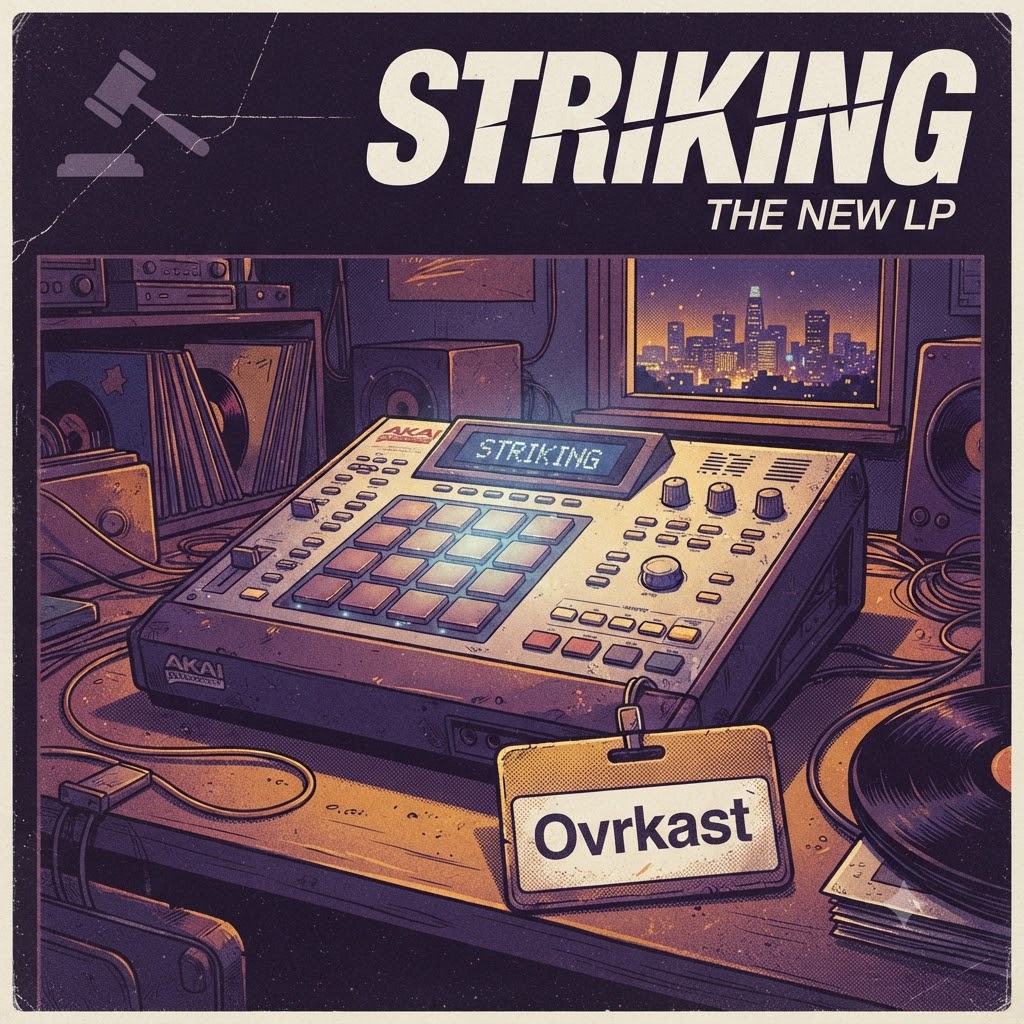
For Ovrkast (Silas Wilson), the talented East Oakland producer and rapper, that tension recently translated into a headline-grabbing federal lawsuit right in the middle of rolling out his sophomore album, STRIKING.
While mainstream rap blogs and internet forums have been abuzz debating branding, nomenclature, and the long shadow cast by Atlanta hip-hop royalty, Ovrkast has chosen the loudest possible response: dropping some of the finest underground production of his career. Let’s dive deep into the music, the drama, and why STRIKING is a mandatory listen for anyone tracking the pulse of modern independent hip-hop.
The Sound and Soul of STRIKING
If you have been tracking Ovrkast’s trajectory over the last few years—from his stellar 2020 breakout project Try Again to production placements alongside heavyweights like Earl Sweatshirt and Drake—you already know what time it is. His signature sound leans heavily into cozy, atmospheric loops, subtle jazz cadences, and crisp, unquantized boom-bap drums that feel tailor-made for midnight drives through Northern California fog.
On STRIKING, that sonic palette expands outward. Ovrkast handles the bulk of the production boards himself, delivering a masterclass in texture. The beats are warm, slightly melancholic, yet punchy enough to anchor sharp, introspective lyricism.
Crucially, the album doesn’t rely on solo heavy lifting; it features a carefully curated lineup of underground royalty and contemporary critical darlings:
-
Joey Bada$$
-
MAVI
-
Samara Cyn
-
Niontay
-
MARCO PLUS
-
Ben Reilly
-
DavidTheTragic
Every feature feels earned, blending seamlessly into Ovrkast’s hazy, contemplative soundscapes rather than feeling like a forced commercial play.
Behind the Moniker: Unpacking the Outkast Lawsuit
Of course, you cannot talk about the rollout of this LP without addressing the elephant in the room. In late September, High Schoolers LLC—the corporate entity overseeing trademark rights for the legendary Atlanta duo OutKast (Big Boi and André 3000)—filed a federal lawsuit in Georgia against Wilson.
The core of the legal complaint centers on claims of trademark infringement, unfair competition, and allegations that the producer had previously agreed to drop or transition away from the “Ovrkast.” moniker by mid-July.
The Origin Story vs. Brand Confusion
For his part, Ovrkast has maintained a consistent stance: his stage name is a meteorological nod to the word “overcast,” born out of his creative roots back in 2015 as part of the East Oakland online collective “Weather Boyz”. It wasn’t concocted as a scheme to ride the coattails of Southern rap legends.
In statements released to outlets like Rolling Stone, Ovrkast expressed deep respect for OutKast’s legendary legacy while firmly drawing a line in the sand:
“As a rising creative with recent career milestones and accolades attached to my professional name, I stand firmly on the fact that I have established this name and its meaning completely independently… I have never had any intention of trying to copy, misrepresent, or confuse fans with the name of such a legendary act.”
While online commentators love to stir the pot regarding soundalike names or sample clearance culture, this lawsuit highlights a larger, often exhausting reality for independent artists: navigating corporate intellectual property laws when your DIY moniker happens to cross paths with major label history.
Why STRIKING Proves Ovrkast Is Here to Stay
It would be easy for an artist caught in the crosshairs of a federal lawsuit to let the pressure derail their momentum. Legal fees, public scrutiny, and internet noise can easily drain the joy out of creating music.
Instead, Ovrkast channeled that exact energy into completing a cohesive, deeply focused body of work. STRIKING doesn’t sound like an artist looking over his shoulder; it sounds like an artist stepping fully into his power. The sample choices are sharp, the mixing has a rich analog warmth, and the overall pacing of the LP proves that his pen and production chops are sharper than ever.
If you appreciate underground hip-hop that prioritizes substance, rich texture, and genuine artistic identity, STRIKING demands your attention. It’s a reminder that no matter what happens in a courtroom, great music ultimately cuts through the noise.