BigXthaPlug & Loe Shimmy’s “I LIKE IT”: How Regional Street Crossovers Dominate Charts
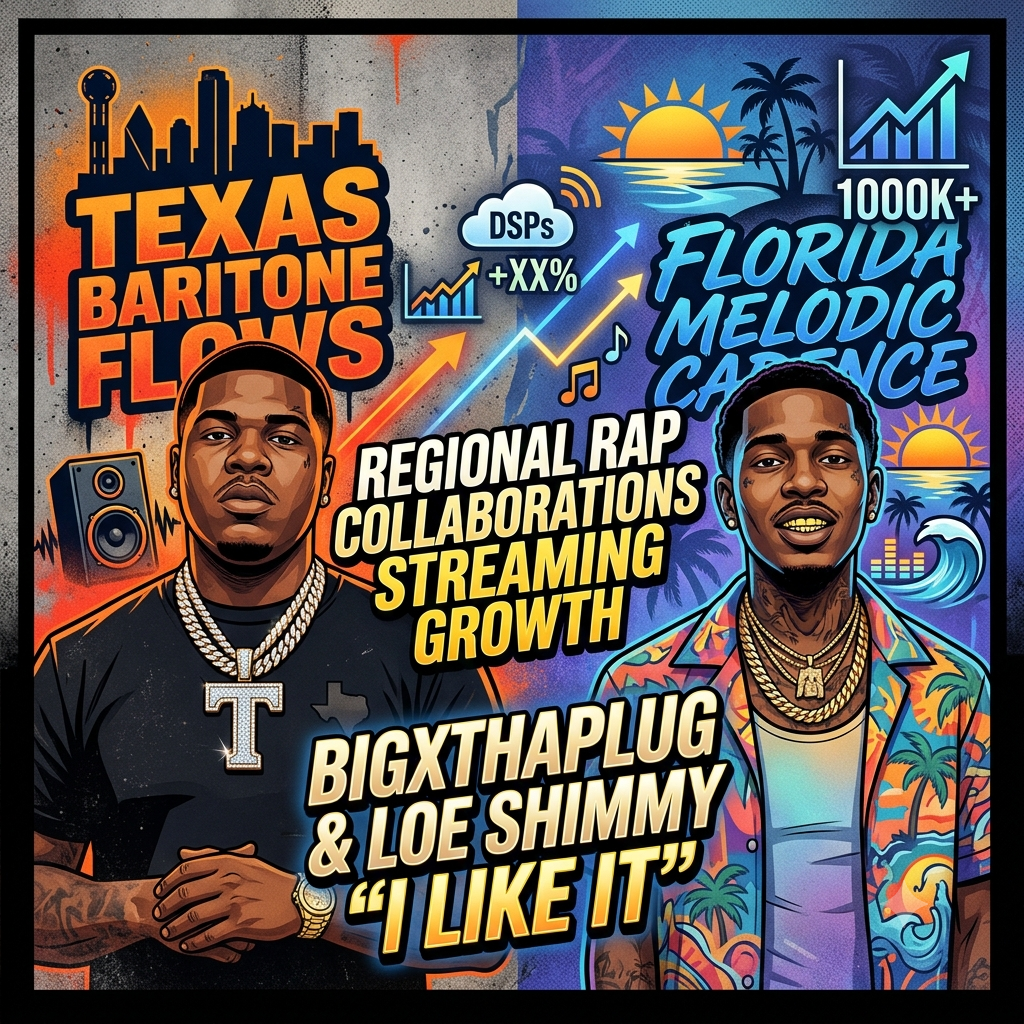
When Dallas heavyweight BigXthaPlug locked in with Pompano Beach melodist Loe Shimmy for “I LIKE IT,” it didn’t just feel like another routine Southern rap link-up. It played out like a textbook lesson in regional rap collaborations streaming growth. Released in late October 2026 as a standout cut off BigXthaPlug’s chart-topping album BETTER OVER TIME, the record caught fire across streaming platforms almost overnight. More importantly, it proved that strategic, cross-regional pairings are still the fastest way to turn local street buzz into real national chart velocity.
Instead of watering down their respective sounds to chase a generic radio formula, both artists leaned all the way into where they’re from. By colliding Texas’s trunk-rattling, baritone-heavy bounce with South Florida’s hypnotic, melodic cadence, “I LIKE IT” pulled two completely separate regional listener bases into one high-converting algorithmic lane.
Why the Sonic Contrast Actually Works
Clocking in at just over two minutes, “I LIKE IT” is built from the ground up for replay value—which, if you know anything about how DSPs operate right now, is the single most important metric for triggering algorithmic push. A lot of rap features fall flat because both artists occupy the exact same vocal pocket. Here, the magic comes from how sharp the contrast is between the two headliners:
-
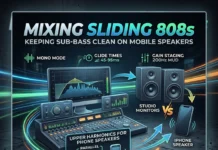
BigXthaPlug’s Heavy Texas Presence: Over knocking, sliding 808s and soul-drenched brass from producers Bandplay, Tony Coles Anderson, and Charley Cooks, BigX brings that unmistakable, booming baritone. His pocket control is tight, his storytelling is punchy, and his presence immediately anchors the record in classic Dallas street energy. You feel the weight of his voice before he even finishes his first four bars.
-
Loe Shimmy’s Hypnotic Florida Glide: Floating right over that heavy low end, Loe Shimmy slides in with his signature raspy, laid-back melodic cadence. His repetitive, hypnotic hook (“I like it, I like it, I like it…”) takes the sharp edges off the aggressive bassline. Suddenly, a record that hits hard enough for the club also works as a smooth, late-night cruiser.
Neither artist is fighting for room on the beat. Their vocal registers sit in completely different frequencies, creating a push-and-pull dynamic that keeps your ear locked in from the first kick drum to the fade-out.
Behind the Scenes: How Cross-Regional Features Trigger DSP Algorithms
Even in a borderless streaming era, geography still dictates how rap records break. Most independent and rising artists build deep, loyal pockets of listeners at home before anyone outside their state pays attention. BigXthaPlug spent years locking down Texas and the Southwest, while Loe Shimmy built an undeniable cult following across South Florida and the Southeast.
When two regional bosses with strong local data finally link on one track, they unlock regional rap collaborations streaming growth through three very specific DSP mechanisms:
Think about what happens when Spotify or Apple Music sees heavy day-one engagement coming out of both Dallas and Miami at the exact same time. To an algorithm, that doesn’t look like a local record anymore—it looks like a national breakout. That early multi-market velocity forces the platform to start testing the song in neutral territories like Atlanta, Chicago, Los Angeles, and New York.
What Independent Artists Can Steal From This Playbook
You don’t need a major-label marketing budget or millions of monthly listeners to apply the exact same logic to your own rollout. In fact, independent artists stand to gain the most from smart cross-regional networking because every new pocket of listeners moves the needle.
If you are planning your next collaborative single or EP, keep these four rules in mind:
-
Stop Collaborating With Your Clone: It’s natural to want to make music with artists who sound just like you, especially if you come up in the same local scene. Resist that urge. If your delivery is aggressive, percussive, or baritone-heavy like BigX, go find a melodic hook writer or an off-kilter stylist from a different region. Contrast creates replay value.
-
Keep the Arrangement Tight: At 2:03, “I LIKE IT” doesn’t waste a single second. There are no bloated intros, unnecessary beat switches, or long-winded outros. Tight runtimes naturally drive up completion rates, and high completion rates tell streaming algorithms that listeners aren’t skipping your record.
-
Target “Bridge” Playlists Over Purely Local Ones: When pitching your release, don’t trap yourself in regional boxes. The real streaming volume lives in mood- and activity-based playlists—late-night drives, gym rotations, weekend pre-games, and smoke-session queues—where fans of different regional sounds already mix together.
-
Coordinate Cross-Market Rollouts: Don’t just drop the song and hope for the best. Run split social campaigns targeting both hometown markets simultaneously, trade verse clips on TikTok and Reels, and make sure both fanbases know the record is a true joint event rather than a throwaway feature.
Breaking out of your local market takes more than just dropping good music—it takes putting your records in front of the right listeners at the exact moment momentum starts building. If you are ready to cross-pollinate regional fanbases and scale your collaborative singles using our targeted rap playlist placements, getting your music in front of active hip-hop curators is one of the smartest moves you can make.
Ready to Take Your Sound Nationwide? Expand your regional street buzz across national streaming queues. Submit via our Music Submission Portal.