The “Ghost Stream” Flag: How DSP Fraud Engines Actually Audit Repetitive Loop Plays
If you’ve spent more than five minutes on music Twitter, Reddit, or Discord lately, you’ve probably seen the pitches. Promises of guaranteed plays, instant algorithmic boosts, and “secret strategies” to get your single moving.
When you’re grinding out 14-hour days in the studio and watching your release sit at a few hundred plays, the temptation to take a shortcut is real. Some artists—or the questionable promotion services they hire—end up turning to one of the oldest tricks in the black-hat book: loop farms.
The setup sounds simple on paper. Fire up a dozen accounts, throw a single 2-minute track on repeat overnight, hit mute, and wake up to 500 extra streams. Repeat that for a week, and you’ve got a hit… right?
Not quite.
Major streaming platforms like Spotify, Apple Music, and Amazon Music have poured millions into building sophisticated fraud detection systems. These DSP (Digital Service Provider) fraud engines exist specifically to catch these fake engagement patterns. When they catch you, they don’t just take the fake numbers down—they can freeze your payouts, hit your distributor with fines, and effectively ruin your account’s standing.
Here is a look behind the scenes at how DSP fraud systems flag these “ghost streams,” what happens to your account when they do, and how you can actually grow your catalog without getting burned.
What Exactly Is a “Ghost Stream”?
At its core, a ghost stream is any play where an audio file is consumed without real human intent or interaction. It’s phantom activity designed to trick a billing counter.
The classic example is the overnight loop session:
-
An automated script or a muted device plays the same single 50 times back-to-back while the “listener” is fast asleep.
-
The session shows zero natural variance—no skips, no volume tweaks, no playlist switching, and no UI interaction for hours on end.
-
The playback often spikes in regions where the artist has zero organic social footprint, zero tour stops, and no local search traffic.
To an artist looking strictly at their vanity metrics, it feels like a fast way to move the needle. But to a machine learning fraud detector trained on billions of legitimate listening sessions, it looks like a glowing red beacon on an empty radar screen.
Behind the Curtain: How DSP Fraud Engines Audit Loop Plays
Modern anti-fraud tech doesn’t just count clicks or total minutes listened. It analyzes telemetry and behavioral data.
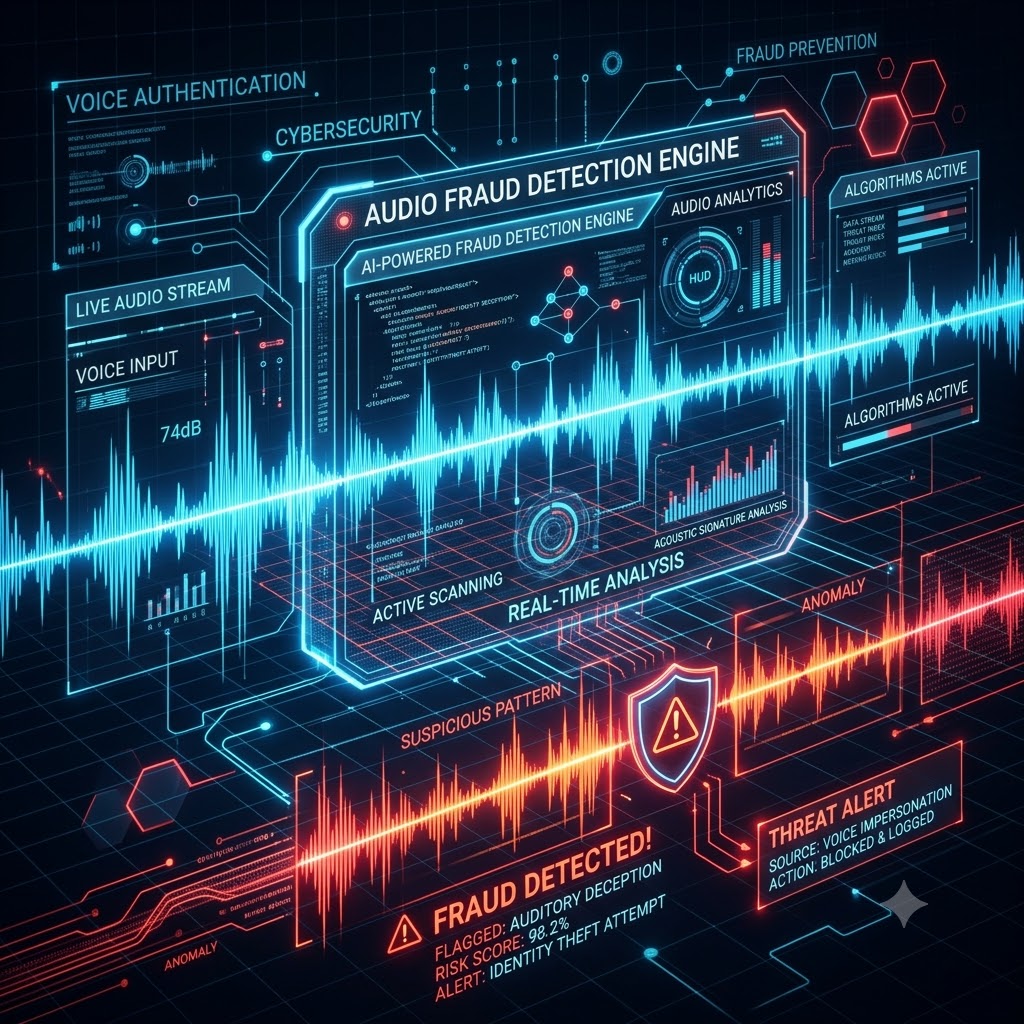
When a track suddenly spikes in plays, DSP security engines run the activity through several automated diagnostic layers to figure out if those streams came from real people or a machine.
1. Telemetry and Micro-Interactions
Real people are messy listeners. They adjust the volume because their headphones are too loud. They skip a track halfway through because they aren’t in the mood. They pause music to watch a TikTok, switch apps, or pick up a incoming call.
Ghost streams, on the other hand, run with mechanical perfection. They often run in headless browser environments or muted desktop applications. When an engine sees thousands of complete playbacks without a single pause, volume shift, or UI tap down to the exact millisecond, the platform immediately flags the session as suspicious.
2. The 30-Second Rule vs. Session Velocity
It’s common knowledge in the music industry that DSPs generally count a stream for royalty payout once it passes the 30-second mark. Because of this, early bot farms used to loop tracks, let them run for 31 seconds, and skip to the next track.
Fraud engines caught on to this years ago. Today, platforms look at session velocity and contextual diversity. If an account consistently cuts tracks off at second 31 or plays the exact same song 50 times in a row without ever exploring another artist, album, or genre across the entire platform, that account gets grouped into an anomaly cluster.
3. Network Clustering and Device Fingerprinting
Loop farms don’t operate out of thin air. They usually rely on data center servers, virtual machines, or localized proxy networks to hide their tracks.
However, hardware leaves a footprint. DSP security systems analyze IP ranges, browser fingerprints, operating system builds, and network types. When hundreds of streams originate from non-residential IP blocks (like AWS or DigitalOcean servers) or share identical hardware profiles while looping the same exact track, the fraud engine isolates the entire cluster and discards the streams.
The Fallout: Frozen Royalties, Fines, and Algorithmic Death
If you think the worst thing that can happen from artificial plays is losing a few hundred fake streams, think again. The modern enforcement pipeline is strict, and the damage usually lands directly on the artist’s head.
[ Flagged Stream Activity ]
            │
            ▼
[ DSP Freezes Royalties & Issues Flag ]
            │
            ▼
[ Distributor Receives Monthly Fraud Report ]
            │
            ▼
[ Account Fined / Album Takedown / Profile Banned ]
1. Royalty Escrow and Withholding
When fraud engines flag a song, the platform immediately quarantines the estimated revenue tied to those plays. That money doesn’t just get delayed; it gets permanently removed from your payout statement. If a massive chunk of your overall streams come from loop farms, your entire monthly check can be frozen while the audit takes place.
2. Distributor Penalties and Account Strikes
DSPs pass monthly artificial streaming reports directly to major distributors like DistroKid, TuneCore, and CD Baby. To protect their own relationships with the streaming giants, distributors have cracked down hard. Many now pass along heavy financial penalties (sometimes $10+ per flagged track) or take down entire discographies if an account receives repeated strikes.
3. Poisoning Your Algorithmic Profile
DSPs use recommendation algorithms like Discover Weekly, Release Radar, and Radio to surface new music to listeners based on what similar users enjoy.
When your primary “listeners” are bots looping your song on mute in a server farm, the algorithm receives complete garbage data. It has no real audience demographics to study, which means it can’t figure out who to recommend your music to. The moment the fake plays stop, your organic reach drops to zero because the system effectively wrote your profile off as dead weight.
How to Build Sustainable Growth That Won’t Get Flagged
At the end of the day, there are no shortcuts that survive contact with modern DSP auditing tools. Building a legitimate presence on streaming platforms takes time, target marketing, and real connections with human beings who actually like your sound.
When you invest in promotion, focus on strategies that drive active engagement: curated playlisting by actual humans, targeted social ads that bring real traffic to your profile, and music blog coverage that builds context around your brand.
To build a real career, you have to protect your distributor standing with 100% human-driven streaming campaigns via our independent music promo network (https://itshiphopmusic.com/submit/music-submission/). Real listeners create the natural variance, playlist adds, and organic saves that keep your account healthy and greenlit by fraud engines.
Grow Your Catalog Safely
Don’t gamble your hard-earned royalties, distributor account, or organic reach on cheap loop scripts and risky bot farms. Protect your music with verified, 100% organic plays from real hip-hop fans and active playlist curators.
Ready to get your music heard the right way? Send your track directly to our review team via our Music Submission Page and start building momentum that lasts.