The 2026 Grammy Best Rap Album Race: How Award Season Triggers Mass Catalog Surges (And How Underground Artists Can Cash In)
Every year around Grammy season, the music industry gathers to throw accolades at the biggest names in the business. On paper, it looks like a night reserved exclusively for multi-platinum titans and stadium-headlining superstars. But behind the glitz, the red carpet commentary, and the viral social media moments, a completely different phenomenon is taking place inside streaming platforms and search engines.
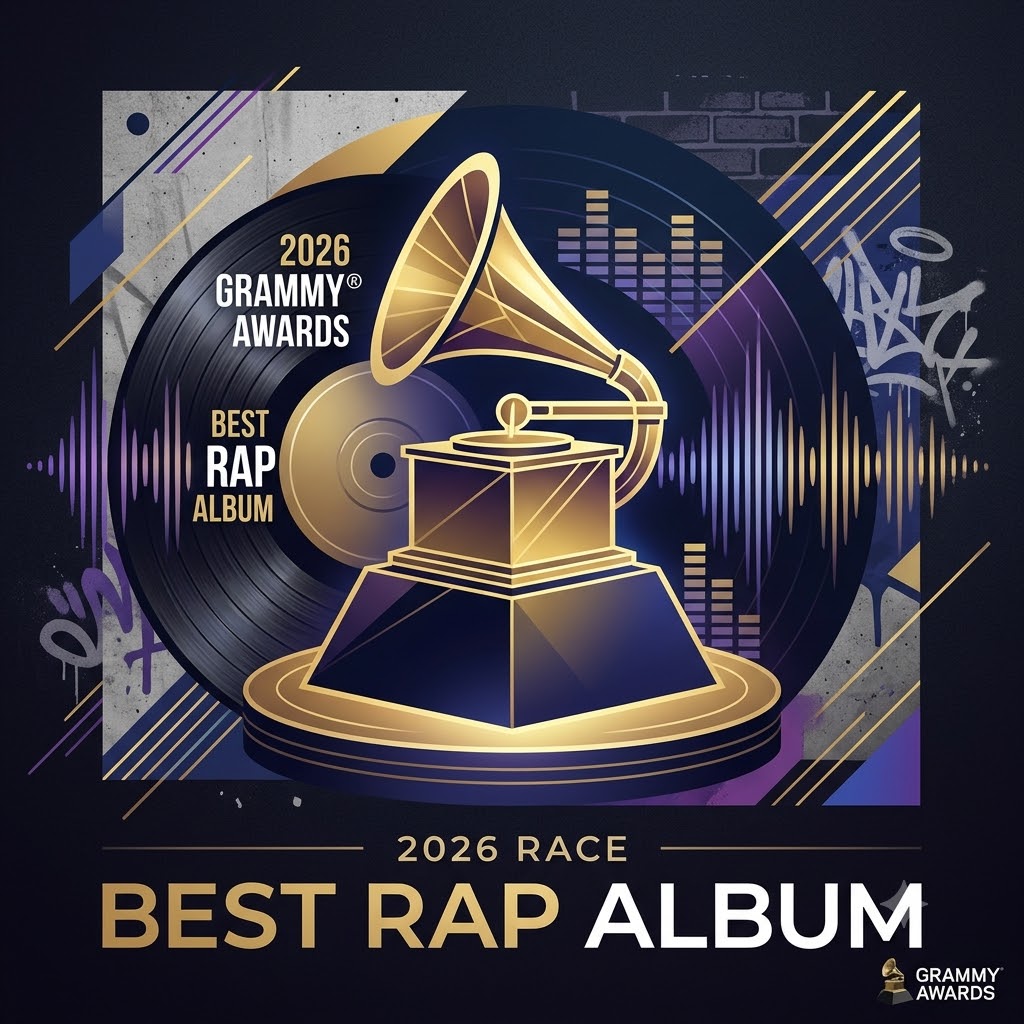
The 2026 Best Rap Album race is one of the most culturally charged lineups we’ve seen in years. Heavyweight projects like Kendrick Lamar’s GNX, Tyler, the Creator’s Chromakopia, and Clipse’s long-awaited reunion album Let God Sort Em Out are dominating the mainstream narrative. But these releases aren’t just earning trophies—they are driving massive, predictable search spikes that spill over into independent music, deep catalog cuts, and niche subgenres.
If you make music, manage artists, or run a label, understanding this ripple effect is the difference between watching from the sidelines and riding a massive organic traffic wave.
The Grammy Effect: Why Mainstream Buzz Triggers Underground Searches
When millions of hip-hop fans tune in to award shows, debate nominations on Twitter, or read post-Grammy breakdown articles, their curiosity doesn’t end when the broadcast wraps. In fact, that’s usually when the real searching begins.
The average listener rarely stops at the nominated album itself. Instead, high-profile projects act as a gateway drug for specific sonic textures. When an album garners massive critical acclaim, it creates an itch in the listener’s brain to find more songs that feel, sound, and hit like that record.
Consider how the current contenders shape listener behavior in real-time:
-
Kendrick Lamar (GNX): When Kendrick drops, search traffic doesn’t just spike for his name; it drives a surge in queries for West Coast storytelling, live-instrumentation jazz-rap, and heavy, thought-provoking lyricism. Fans want that raw, Los Angeles-infused energy.
-
Tyler, the Creator (Chromakopia): Tyler’s world-building creates a runaway train of curiosity around alternative hip-hop, pitch-shifted vocals, synth-heavy arrangements, and left-field experimental production. Listeners actively search out non-traditional hip-hop acts that break standard arrangement rules.
-
Clipse (Let God Sort Em Out): A new Clipse record instantly reignites global interest in classic mid-2000s street rap, icy minimalist beats, dual-MC chemistry, and gritty boom-bap production. Old heads dig through classic catalogs, while younger fans start searching for the modern torchbearers of that cold, stripped-back sound.
This isn’t an accident—it’s human behavior meeting modern discovery algorithms. When a mainstream artist makes a specific subgenre cool again on a massive scale, millions of casual listeners turn into active searchers overnight.
The Science Behind the Catalog Surge
Why does a award nomination for a superstar help an independent artist with 5,000 monthly listeners? It all comes down to how audience intent interacts with streaming algorithms.
1. The Micro-Genre Discovery Intent
When people hear an album they love, they head straight to Spotify, Apple Music, YouTube, or Google with long-tail search phrases. They type in things like “artists like Tyler the Creator 2026,” “dark minimalist boom bap playlist,” or “new West Coast conscious rap.” These search queries bypass traditional gatekeepers and bring listeners directly into subgenre ecosystems.
2. Algorithmic Echo Chambers
Streaming platforms are built to keep users listening for as long as possible. When Spotify or Apple Music notices a massive influx of users listening to Chromakopia, their recommendation engines immediately begin serving up similar sonic profiles in auto-play queues and Discover Weekly playlists. If your track shares tags, mood metadata, or sonic characteristics with that trending sound, the algorithm picks it up and pushes it out to those newly primed ears.
3. The Nostalgia and Deep-Dive Pipeline
Major cultural events prompt music lovers to go down rabbit holes. A new Clipse album causes fans to spend three hours exploring late-90s production styles, uncovering underrated dual-MC groups, and searching for fresh underground acts keeping that exact style alive today.
How Independent Artists Can Turn Search Waves Into Streams
Understanding that this search traffic exists is step one. Step two is positioning your music directly in the path of that incoming traffic before the wave dies down. You cannot just drop a track, sit back, and hope people magically discover you—you need an intentional, SEO-driven rollout strategy.
Here is how to strategically align your music with major award-season movements:
Optimize Your Metadata for Intent-Based Discovery
Algorithms are smart, but they still rely heavily on text and categorizations. Make sure your DSP distributor settings, Bandcamp tags, YouTube descriptions, and press releases clearly state your exact subgenre. If your track sounds like cold, minimalist street rap, label it as Boom Bap, Minimalist Hip-Hop, and Street Rap. Don’t just tag your track as “Hip-Hop”—that’s too broad to rank for targeted search traffic.
Target Subgenre-Specific Playlists Over Generic Hubs
Landing on a massive, generic “Top 50 Rap Hits” playlist sounds great on paper, but the retention rate is usually terrible because the audience isn’t unified by a specific taste. During Grammy season, listener intent is hyper-focused on specific vibes.
If you make music that aligns with the current wave of nominees, you want your tracks sitting in front of dedicated, genre-literate audiences. You can capitalize on trending subgenre search waves by placing your track on our curated rap playlists. When a listener moves from a major album to a subgenre playlist, you want your song to be the next natural track in their queue.
Time Your Content Rollouts Around Industry Milestones
Watch the calendar. The weeks leading up to the ceremony, the night of the event, and the seven days immediately following it represent absolute peak search volume for hip-hop subgenres. Releasing a single, dropping an official video, or launching a targeted social campaign during this timeframe dramatically increases your organic reach because consumer attention is already locked onto hip-hop culture.
Breaking Down the 2026 Contenders & Their Subgenre Ecosystems
| Mainstream Catalyst | Core Sonic Elements | High-Volume Search Subgenres | What Listeners Are Looking For |
| Kendrick Lamar (GNX) | Live basslines, West Coast bounce, dense narrative lyricism | West Coast Rap, Conscious Hip-Hop, Jazz-Rap | Deep lyricism, authentic regional bounce, storytelling, organic instrumentation. |
| Tyler, the Creator (Chromakopia) | Pitch-shifted vocals, vintage synths, genre-blending structures | Alternative Rap, Experimental Hip-Hop, Indie Urban | Unique sound design, non-standard arrangements, artistic visual aesthetics. |
| Clipse (Let God Sort Em Out) | Minimalist drums, twin-MC delivery, raw street narratives | Boom-Bap, Coke Rap, Hardcore Hip-Hop | Hard-hitting drum patterns, intricate rhyme schemes, authentic street lyricism. |
Stop Waiting for Luck: Build Your Discovery Engine Today
The biggest mistake independent creators make during award season is assuming that major industry events only benefit the major labels. The reality is that award buzz creates a tide that lifts every boat in the same genre—if those boats are positioned in the right channel.
When listeners go searching for the sounds that dominate the Best Rap Album race, your music should be right there waiting for them. By refining your metadata, understanding search intent, and securing spots on high-intent, genre-focused playlists, you turn high-level mainstream buzz into tangible streams, real fan conversion, and long-term career momentum.