Why Hip-Hop Artists Are Selling Their IP Early (And What Drake’s OVO Deal Means)
For years, the golden rule of the music business was simple: hold onto your masters and publishing rights for dear life. You treated them like real estate, living off the royalties as a retirement plan while passing generational wealth down the line.
That playbook is officially dead.
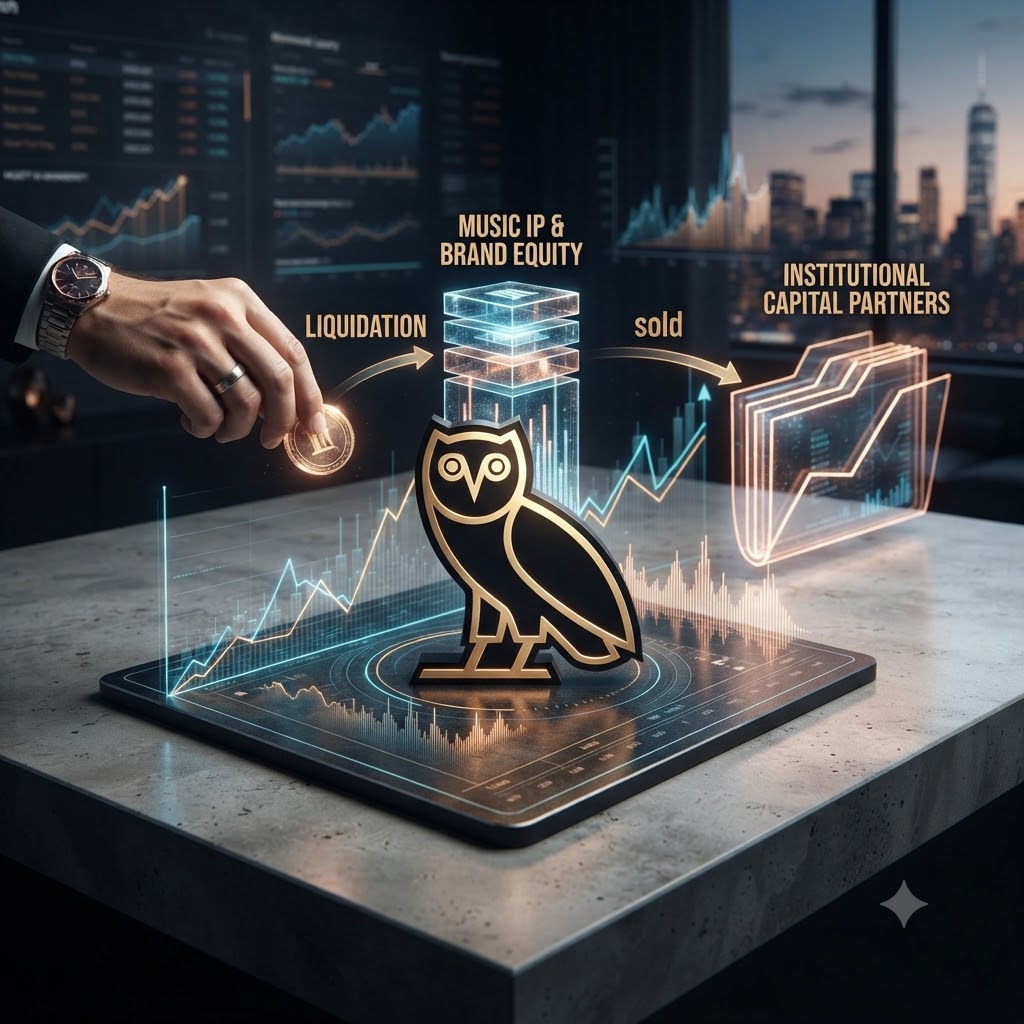
Today, everyone from legacy icons to modern rap superstars is cashing out early, selling off pieces of their catalogs, brands, and intellectual property. The trend hit a massive milestone when the news dropped about Drake partnering with Authentic Brands Group on a massive deal for his October’s Very Own (OVO) lifestyle brand.
So, why are artists trading lifelong royalties for massive lump sums right now? Let’s break down the shift.
Inside the OVO Deal: More Than Just Music
When Authentic Brands Group (ABG) grabbed a 51% majority stake in OVO’s intellectual property for roughly $117.65 million, it wasn’t a standard catalog buyout. It was a masterclass in brand liquidity.
Instead of just selling old hook recordings, Drake and his team targeted the lifestyle and merchandising side of the empire:
-
Authentic Brands Group stepped in to take majority control of the overall brand IP.
-
Vince Holding Corp. took over the heavy lifting of running the actual business—handling retail, global merch, and product development.
-
Drake and his core team kept a solid 44% stake, meaning they’re still driving the creative vision without having to stress the day-to-day corporate logistics.
By trading majority control for a nine-figure payout and letting a corporate giant handle the supply chain headaches, Drake showed the industry how modern moguls scale.
Why Artists Are Cashing Out Sooner
Drake’s move isn’t an isolated incident. Over the past few years, we’ve watched heavyweights like Dr. Dre, Lil Wayne, Future, and T.I. sell off chunks of their catalogs for staggering figures.
A few practical realities are driving this massive wave of early liquidations:
1. Guaranteed Cash Beats Streaming Volatility
Streaming pays the bills, but the digital music landscape is fickle. Algorithms change, consumer tastes shift overnight, and future licensing payouts are never a sure thing. Selling your IP locks in generational money today, completely protecting you from future market downturns.
2. Wall Street Loves Music Now
Private equity firms and asset management giants have flooded the music space over the last few years, turning creative rights into a recognized, premium asset class. These buyers are willing to pay astronomical prices because they have global networks that can squeeze every ounce of value out of a brand or catalog—something an independent artist’s team simply can’t do alone.
3. Killing the Overhead and Debt
Running a global lifestyle brand or managing a sprawling catalog is expensive and exhausting. Legal fees, logistics, and operational overhead add up fast. Cashing out gives artists a clean slate to wipe away business friction and move forward with pure profit.
4. Reinvesting in Higher-Yield Moves
If you’re an entrepreneur, sitting on passive copyright checks can actually be a pretty slow way to grow wealth. Taking a massive lump sum lets artists immediately jump into tech startups, real estate, or private equity ventures where the return on investment can far outpace standard music royalties.
The Catch: What Do Artists Lose?
Of course, cashing out early isn’t a free lunch. There are real trade-offs when you give up control:
-
Missing Out on Future Upside: If a track or brand blows up unexpectedly years down the road, the company that bought the rights takes home the windfall—not the artist who created it.
-
Loss of Total Creative Control: When a corporate partner owns the majority stake, they get a heavy say in how the IP is commercialized. Sometimes, that means seeing your brand in spaces or campaigns you wouldn’t have signed off on yourself.
The New Blueprint for Hip-Hop Wealth
The romanticized image of the artist hoarding physical tapes in a vault is long gone. Through high-stakes moves like the OVO deal, hip-hop artists are operating less like traditional musicians and more like Silicon Valley founders—leveraging cultural influence for immediate liquidity while letting institutional giants handle the global scaling.
As the financial markets keep treating music and culture as high-value commodities, early IP liquidation is quickly becoming the ultimate power play.