How Southern & Underground Rap Artists Monetize Chopped & Screwed Mixes (Without Content ID Banning Them)
If you spend any time digging through underground rap streaming numbers, you already know one thing: slowed-and-reverbed, chopped & screwed, and chopped-not-slapped versions routinely rake in millions of plays. Fans don’t just want the crisp, high-energy 128 BPM original for the gym—they want the muddy, low-pitched, heavy-bass edition for late-night drives, smoke sessions, or background studio vibes.
For southern rap artists and independent producers sitting on a goldmine of alter-tempo mixes, putting these tracks on major platforms like Spotify, Apple Music, and Tidal should be a no-brainer revenue stream.
Instead, it’s usually a logistical nightmare.
You spend hours crafting the perfect slowed mix, hit upload on DistroKid or TuneCore, and boom: Content ID Flagged. Your upload gets rejected for unauthorized duplicate audio, your royalties get frozen, or worse, your distribution account gets hit with a copyright strike over your own song.
It leaves a lot of creators asking: How are underground artists dropping official slowed-and-reverbed projects directly on DSPs without getting instantly blocked?
Here is the exact blueprint for clearing the hurdles, tricking the algorithms legally, and turning your alternate-tempo rap catalog into a long-term passive income stream.
The Root Problem: Why Content ID Hates Your Slowed Mixes
To beat the system, you have to understand what’s actually happening behind the scenes when you submit audio to a digital aggregator.
DSPs don’t hire thousands of humans to listen to every single upload. They rely on automated audio recognition networks powered by technology like ACRCloud and Audible Magic (alongside YouTube’s proprietary Content ID engine). These systems use acoustic fingerprinting.
When you slow down a stereo track or lower its pitch, you change the speed and fundamental frequency, but you don’t magically erase the underlying DNA of the audio waveform. The harmonic relationships, rhythmic intervals, and vocal cadences remain intact.
When the scanner sweeps your slowed WAV file, it compares it against billions of registered master tracks. When it sees an 85% match to your original master, the software makes a simple assumption: This is an unauthorized bootleg or a duplicate spam upload.
The algorithm locks the track down before a human ever hears a single second of it.
4 Rules for Releasing Alternate Rap Mixes on DSPs Without Getting Flagged
If you want your chopped & screwed tracks to pass automated inspection, you have to break the acoustic fingerprint while staying completely compliant with distribution policies. Here is how to do it step-by-step.
1. Stop Timestretching Complete Stereo Masters (Work From Stems)
The single biggest mistake producers make is dropping a finished, mastered 16-bit WAV file into a DAW, pulling the speed slider down 15%, slapping a hall reverb on the master channel, and calling it a day.
That lazy approach is guaranteed to trigger acoustic fingerprint matching because every single element of the original song is still layered in exact proportions.
Instead, build your alternate mix from the original stem files:
-
Keep the vocals slowed, but re-sequence the drums. Pitch down the vocal track and main synths, but lay down fresh, un-shifted 808s and hi-hats over the top.
-
Isolate processing. Apply heavy low-pass filtering and spatial reverb to specific instrumental stems rather than the entire mix bus.
When the backing instrumentation is structurally distinct from the original master file, the scanner’s confidence match drops significantly, allowing the upload to clear automated filters smoothly.
2. Treat the Mix as an Authentic Art Form (Tweak the Arrangement)
Chopped & screwed music isn’t just slowed-down audio—it’s a legendary culture born out of Houston and Memphis that relies on live performance technique and structural manipulation.
Automated Content ID systems check for exact sequential waveform matches. If you break up the linear structure of the original track, the fingerprint scanner won’t match long continuous segments:
-
Add chops, stutters, and reverse drops. Chop the vocal lines at phrase transitions, double up drum hits, and drop the beat out unexpectedly.
-
Throw in unique regional audio tags. Throw turntablist scratches, vocal rewinds, or custom producer tags into the intro, middle transitions, and outro.
These structural edits don’t just sound better to actual hip-hop fans—they destroy the exact sequential timeline that automated copyright bots look for.
3. Clean Up Your Metadata & Use Proper Version Titles
You cannot name your slowed track the exact same thing as your standard single. DSP guidelines strictly forbid duplicate titles because it confuses algorithms and listener search queries.
When filling out your metadata in your distributor portal, make sure you fill out the Version / Title Info field correctly.
Correct Title Formatting:
-
Track Title (Slowed & Reverbed) -
Track Title (Chopped & Screwed) -
Track Title (Chopped Not Slapped Mix)
Incorrect Title Formatting:
-
Track Title - slowed version final mix -
Track Title (REMIX)(Unless it features an entirely new guest verse, do not tag a tempo change as a standard remix).
Using official version tags tells distributor aggregators that this is a recognized alternate edition of an existing release, reducing manual manual review flags.
4. Always Assign a Fresh ISRC Code
Never—under any circumstances—try to reuse the same International Standard Recording Code (ISRC) from your original radio edit for your alternate tempo mix.
An ISRC acts as a digital fingerprint for collecting streaming royalties. Even if the lyrics and melody are identical, a slowed-and-reverbed track is a distinct audio asset. Generating a brand-new ISRC code through your distributor ensures:
-
Royalties for both versions are tracked and paid out in separate streams.
-
The aggregator treats the release as a new product rather than a corrupted re-upload of your existing song.
How to Scale Streams for Your Slowed Catalog
Once you’ve successfully bypassed the upload hurdles and your chopped & screwed tape is live on Spotify and Apple Music, the real work begins: getting people to listen.
Slowed audio subgenres rarely perform well on generic top-40 editorial playlists. They thrive in niche, mood-centric ecosystems—late-night drive mixes, gym bass playlists, and underground hip-hop hubs where listeners specifically seek out heavy, altered atmospheres.
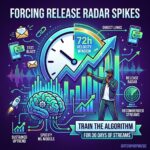
Building momentum requires targeted push campaigns. You can monetize your alternate tempo versions by backing them with our independent rap playlist campaigns (https://itshiphopmusic.com/submit/music-submission/). Placements on high-traffic, underground-focused playlists train the Spotify algorithm to start pushing your slowed catalog to similar listeners via Radio and Discover Weekly.
Stop letting your alter-tempo tracks gather dust on old hard drives or get demonetized on unmonetized third-party channels. Clear the rights, format the stems, tag the metadata properly, and get your whole catalog earning for you.