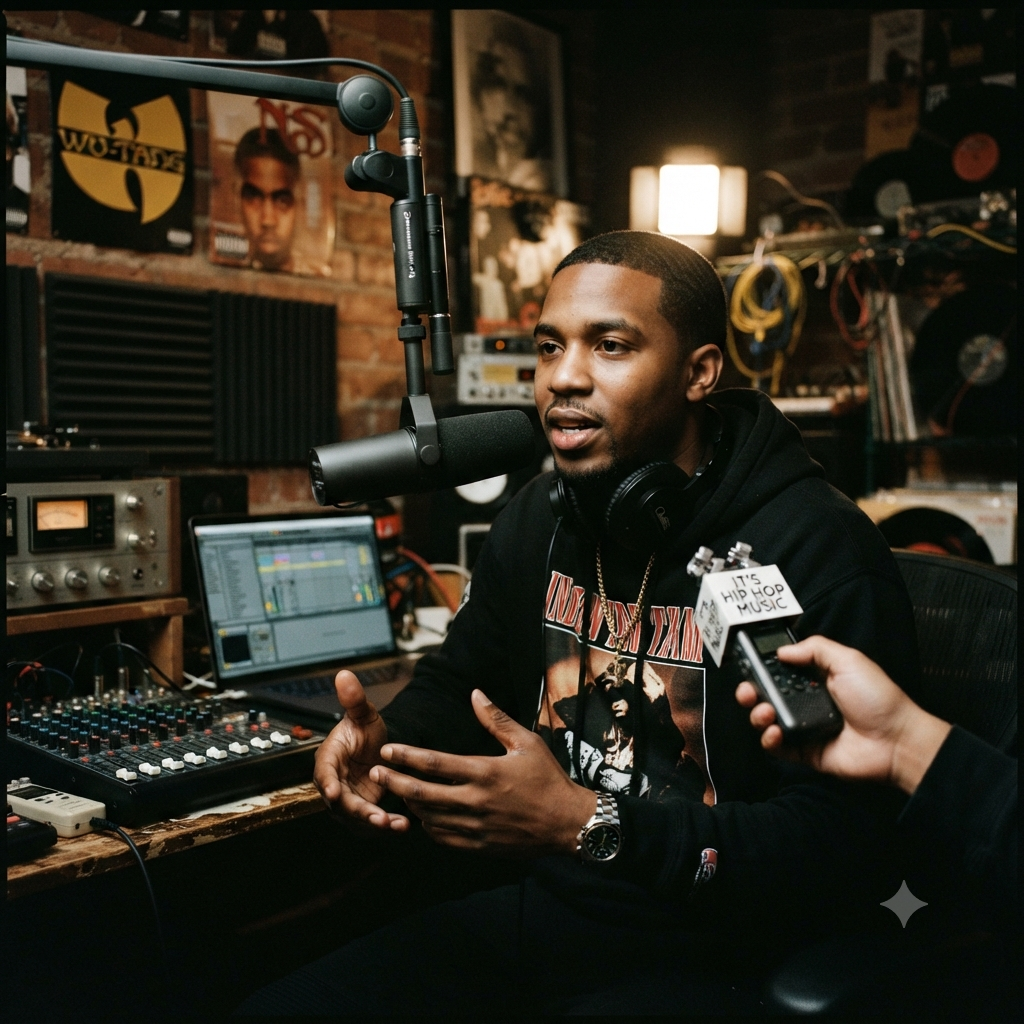
How Hip Hop Documentaries Boost Artist Press Coverage: Lessons from Netflix & Passing the Crown
Ask any music journalist what their inbox looks like on a Tuesday morning, and they’ll tell you the same thing: hundreds of copy-pasted emails, a bunch of Spotify links, and zero reason to click. When tens of thousands of songs hit streaming platforms every single day, just dropping a record and hoping blogs write about it doesn’t really work anymore. Writers aren’t just looking for another decent beat or a catchy hook—they’re looking for an actual human story they can sink their teeth into.
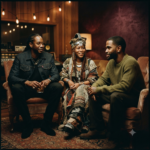
That is why paying attention to how hip hop documentaries boost artist press coverage is one of the smartest moves an independent artist can make right now. Look at the cultural conversation around major visual projects like Netflix’s The Disciple: A Wu-Tang Fable and the MC Lyte-headlined Passing the Crown: Celebrating the Queens of Hip Hop. Neither of those projects is just a basic promo clip. They are deep, narrative-driven looks into the grind, history, and humanity behind the music—and they generate massive waves of media coverage every time they hit the screen.
The best part? You don’t need a Netflix budget or a major label roll-out to steal this exact playbook. By shooting short, honest, behind-the-scenes mini-documentaries around your own releases, you hand music journalists the deeper storylines they are desperate to cover.
Why Visual Storytelling Is Dominating Hip-Hop Press
When a major hip-hop documentary drops, music publications don’t just run a quick review and call it a day. They write think pieces. They pull quotes. They dissect the creative friction, the neighborhood history, and the personal sacrifices that shaped the sound.
Look at the angles those two major documentaries immediately unlocked for press outlets:
-
Netflix’s The Disciple: A Wu-Tang Fable: By leaning into the mythology, martial-arts discipline, and personal journeys connected to one of rap’s most legendary collectives, this film gave writers fresh ways to talk about mentorship, artistic obsession, and legacy. It turned history into a living, breathing conversation.
-
Passing the Crown: Celebrating the Queens of Hip Hop: With trailblazer MC Lyte front and center, this project shines a spotlight on the women who built the foundation of the culture. For journalists, it provided an immediate, rich hook to explore lineage, resilience, and how pioneer MCs paved the way for today’s generation.
Both releases prove a simple rule of music PR: context is what makes people care about the music. A song by itself is easy to scroll past. A song backed by a real story—struggle, sacrifice, late nights, weird studio accidents—gives a writer an actual angle to pitch to their editor.
4 Ways Short-Form Mini-Docs Help Indie Artists Land Real Press
You can replicate this exact dynamic on an independent budget by putting together a 3-to-7-minute behind-the-scenes (BTS) mini-documentary for your next EP, album, or regional tour. Here is why editors and bloggers respond so much better to a mini-doc than a standard press release.
1. You Give Journalists a Ready-Made Headline
Most indie press pitches fail because they force the writer to do all the heavy lifting. Sending an email that says, “Check out my new 7-track project, out now,” gives a journalist nothing to work with. On the other hand, sending a 4-minute mini-doc alongside a pitch that says, “How recording in a flood-damaged basement shaped the raw sound of my new EP,” practically writes the headline for them. Editors love an easy, compelling angle.
2. It Humanizes You Beyond the Algorithm
Streaming platforms flatten artists into tiny square thumbnails and monthly listener counts. When a journalist watches you talk candidly about why you almost quit music last year, or sees the exact moment you and your producer cracked the chorus at 3:00 AM, you stop being another random submission. You become a real person. That emotional connection is what turns a quick 150-word blurb into a full-length interview or artist spotlight.
3. Blogs Want Multimedia Content to Embed
Digital music publications care deeply about keeping readers on their pages longer. If your Electronic Press Kit (EPK) only has a press photo and an audio link, the article looks flat. When you include a well-paced, engaging mini-doc, writers can embed that video right in the middle of the feature. You are literally helping them make their article look better and perform better.
4. It Stretches Out Your Rollout Timeline
In the streaming era, a single drops on Friday and feels like old news by next Wednesday. A mini-documentary changes that math. You can release a teaser clip two weeks before the album, drop the full mini-doc a week after release day to keep momentum alive, and follow up with a “part two” focused on your live show a month later. Every new chapter gives you a legitimate reason to follow up with press outlets without sounding spammy.
How to Shoot a Press-Worthy Mini-Doc Without Breaking the Bank
You don’t need a film school degree or a RED camera to pull this off. In hip-hop, grit and authenticity beat glossy, over-produced corporate video every single time. If you want journalists to actually watch your mini-doc, focus on these fundamentals:
-
Film the “Why,” Not Just the Studio Vibes: Everybody has seen ten thousand clips of rappers nodding their heads in front of a glowing computer screen. That isn’t a story. Sit down in front of the camera for ten minutes and talk honestly about what was happening in your life when you wrote those verses. Talk about the sample you couldn’t clear, the verse you rewrote five times, or the local producer who pushed you out of your comfort zone.
-
Keep It Tight and Respect the Viewer’s Time: Unless you already have a massive cult fanbase, nobody is watching a 35-minute vlog. Edit your footage down to a punchy 3 to 5 minutes. Give it a simple structure: what you set out to make, what obstacles got in the way, and how the finished record sounds because of it.
-
Don’t Neglect Your Audio: People will forgive grainy iPhone footage or handheld camera shake—in fact, it often adds to the raw hip-hop aesthetic. What nobody will sit through is blown-out, echoing room audio where they can barely understand what you’re saying. Grab a cheap $20 clip-on lavalier mic for your phone when filming interview segments. Clear vocals make a low-budget shoot feel professional immediately.
-
Include B-Roll of Your Real World: Cut away from your talking-head interview to show the neighborhood you grew up in, the beat-up notebook where you write lyrics, your crew loading gear into a van, or raw crowd reactions at a small local show. Visual texture pulls viewers into your world.
Turning Visual Momentum Into Lasting Press Credibility
A strong behind-the-scenes mini-documentary opens the door and gets a journalist invested in your journey. Once you have their attention, pairing that visual narrative with formal editorial coverage locks in your credibility for future booking agents, playlist curators, and fans discovering you for the first time. To get the most mileage out of your rollout, pair your behind-the-scenes mini-documentary with an official critical write-up on our blog review service. When you combine authentic storytelling on camera with respected third-party press, you build a foundation that lasts way longer than a single release week.
Ready to Build Your Press Kit? Get official press quotes to place on your promotional materials. Order a custom write-up via our Music Review Submission Page.