Beyond the Green Screen: What 2 Chainz, Big Sean, and Erykah Badu Get Right About Mature Hip-Hop Visuals in “Situation”
Scroll through the trending music tab on YouTube on any given Friday and you’ll probably notice a pattern. Most mainstream rap videos follow the exact same assembly-line formula: hyper-saturated digital colors, frantic two-second jump cuts, rented exotic cars idling in empty warehouses, and enough CGI effects to make your eyes water. It’s loud, it’s chaotic, and honestly, it’s starting to feel completely interchangeable.
That’s why 2 Chainz’s video for “Situation,” featuring Big Sean and Erykah Badu, hits so differently.
Instead of trying to overwhelm the viewer with visual noise, the trio slows the tempo way down. They lean into warmth, texture, and the kind of effortless cool that only comes from artists who have spent decades mastering their craft. For independent artists, directors, and creative teams brainstorming intergenerational hip hop music video concepts, “Situation” is a masterclass in how to make a mature, soul-rap record look as good as it sounds—and how to keep people watching on YouTube without relying on cheap tricks.
Why Warm Analog Film Tones Matter More Than 4K Sharpness
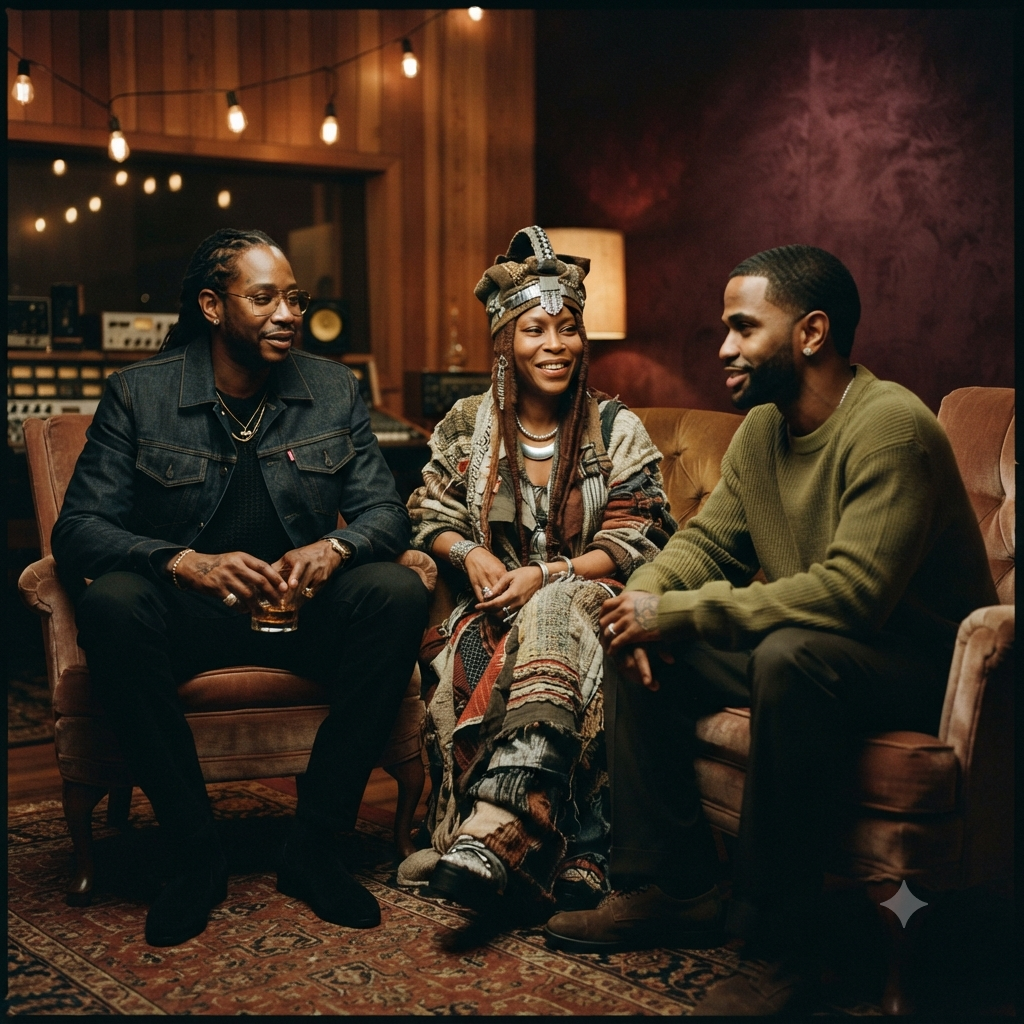
The first thing that grabs you when you hit play on “Situation” isn’t a flashy transition or a dramatic camera drone sweep—it’s the texture of the image itself. Shot with rich, warm analog film tones, soft grain, and deep, natural shadows, the video feels less like a commercial rollout and more like someone dusted off a lost reel of 1990s cinema.
In a digital landscape obsessed with razor-sharp, clinical 8K clarity, shooting with an analog aesthetic acts as an immediate pattern interrupt on YouTube. When everything else in a viewer’s feed looks cold, blue, and hyper-processed, a warm amber palette feels inviting. It lowers the viewer’s guard.
There are a few practical reasons why this visual approach works so well for soul-rap storytelling:
-
It creates instant emotional intimacy: Ultra-sharp digital video often exposes every pore and harsh studio light, creating a weird, sterile distance between the artist and the audience. Soft film grain smooths out those edges, making the viewer feel like they’re sitting right there in the room during an intimate session.
-
It taps into nostalgia without feeling like a costume: The warm shadows and earthy highlights subtly nod to classic 1970s soul album covers and golden-era neo-soul visuals, yet the framing remains completely modern. It honors the roots of the music without turning into a cheesy retro gimmick.
-
It guarantees longevity: Digital editing trends expire fast. What looks cutting-edge today often looks dated eighteen months from now. Analog warmth is timeless, meaning your YouTube catalog continues pulling organic search and suggested views years after release day.
Intentional Wardrobe Styling That Tells a Story
When you bring together three distinct voices from different eras and regions—Atlanta’s 2 Chainz, Detroit’s Big Sean, and Dallas’s Erykah Badu—the biggest visual risk is looking disjointed. If everyone shows up dressed like they’re shooting three separate videos, the whole thing falls apart.
This is where thoughtful wardrobe styling becomes the backbone of great intergenerational hip hop music video concepts. In “Situation,” the outfits don’t scream for attention with loud, oversized designer logos. Instead, the styling acts as a quiet, cohesive extension of the song’s reflective mood.
Erykah Badu, as always, anchors the screen with her signature Afro-futurist bohemian sensibility. Her layered textiles, statement headwear, and earthy silhouettes bring an unmistakable gravitas to every frame she occupies. Meanwhile, 2 Chainz—a guy who built an entire brand around flamboyant, over-the-top luxury—dials things back into tailored, textured layers and refined accessories that complement the warm lighting rather than fighting against it. Big Sean bridges the gap between the two, pairing relaxed, contemporary streetwear cuts with classic tailoring that matches the conversational, introspective tone of his verse.
Nobody is trying to out-dress anybody else, yet everyone looks entirely like themselves. That visual harmony tells the audience right away that these three artists actually respect each other’s space and artistry.
Genuine Group Chemistry Beats a Massive VFX Budget
Let’s be honest: music fans can spot a “green screen collaboration” from a mile away. We’ve all seen videos where two artists clearly recorded their verses in different cities six months apart, and an editor frantically stitched their footage together with strobe lights to hide the fact that they were never in the same room.
“Situation” succeeds because you can feel the real-time camaraderie on screen. Hip-hop is a fifty-plus-year-old genre now, and its core audience has grown up alongside its stars. Listeners are hungry for visuals that reflect real life, genuine friendship, and cross-generational respect.
Watching 2 Chainz, Big Sean, and Erykah Badu share physical space—trading subtle nods, relaxed smiles, and unhurried body language—gives the video an organic pulse that matches the pocket of the beat. You can’t fake that kind of rapport in post-production. When the camera lingers on an artist reacting to someone else’s verse, it holds viewer retention far better than a flashy special effect ever could, because humans are naturally wired to watch other humans connect.
For emerging artists working with modest budgets, this should be huge news. You don’t need fifty grand for CGI or a fleet of Lamborghinis to make a compelling video. If you get the right people in a room, nail the lighting, and capture real energy, people will watch until the end. Once you’ve captured that magic on camera, you can put your collaborative visual storytelling in front of dedicated hip-hop audiences via our targeted music video promotion network.
How Independent Artists Can Apply the “Situation” Playbook
You don’t need major-label backing to pull off a visual with this level of polish and soul. Whether you’re shooting on 16mm film or grading digital footage in DaVinci Resolve, here is how you can bring these same principles to your next collaborative release:
-
Lock in your color palette before you shoot: Don’t treat color grading as an afterthought. Talk to your director of photography during pre-production about warm tones, tungsten lighting, and film emulation so the set design and lighting naturally support that analog feel.
-
Coordinate outfits across your featured guests: Send a simple mood board to everyone appearing in the video a week before the shoot. Asking features to stick to earthy tones, textures, or specific color families ensures the final cut looks intentional and cinematic.
-
Prioritize getting everyone in the same room: Whenever schedules allow, shoot your features together. Even twenty minutes of candid behind-the-scenes interaction or live verse reactions will give your editor gold to work with.
-
Let the camera breathe: Resist the urge to cut every two seconds. If an artist has great presence and lyrical delivery, let a steady, medium-wide shot hold for eight or ten bars. Confidence reads best when the camera stays still.
Mature hip-hop doesn’t have to be boring, and soulful visuals don’t have to be sleepy. By focusing on warmth, cohesive styling, and real human chemistry, 2 Chainz, Big Sean, and Erykah Badu remind us that the best music videos aren’t about showing off—they’re about inviting the audience into a moment they don’t want to leave.
Ready to Amplify Your Visuals? Drive search-optimized traffic to your YouTube channel. Submit your link via the Music Video Submission Page.