When multi-platinum headliners start pulling dates off a tour schedule, the official statements almost always point to standard boilerplate explanations: “unforeseen production hurdles,” “unavoidable scheduling conflicts,” or “logistical issues.” But anyone working behind the scenes in global live production knows the real story is usually far more complicated.
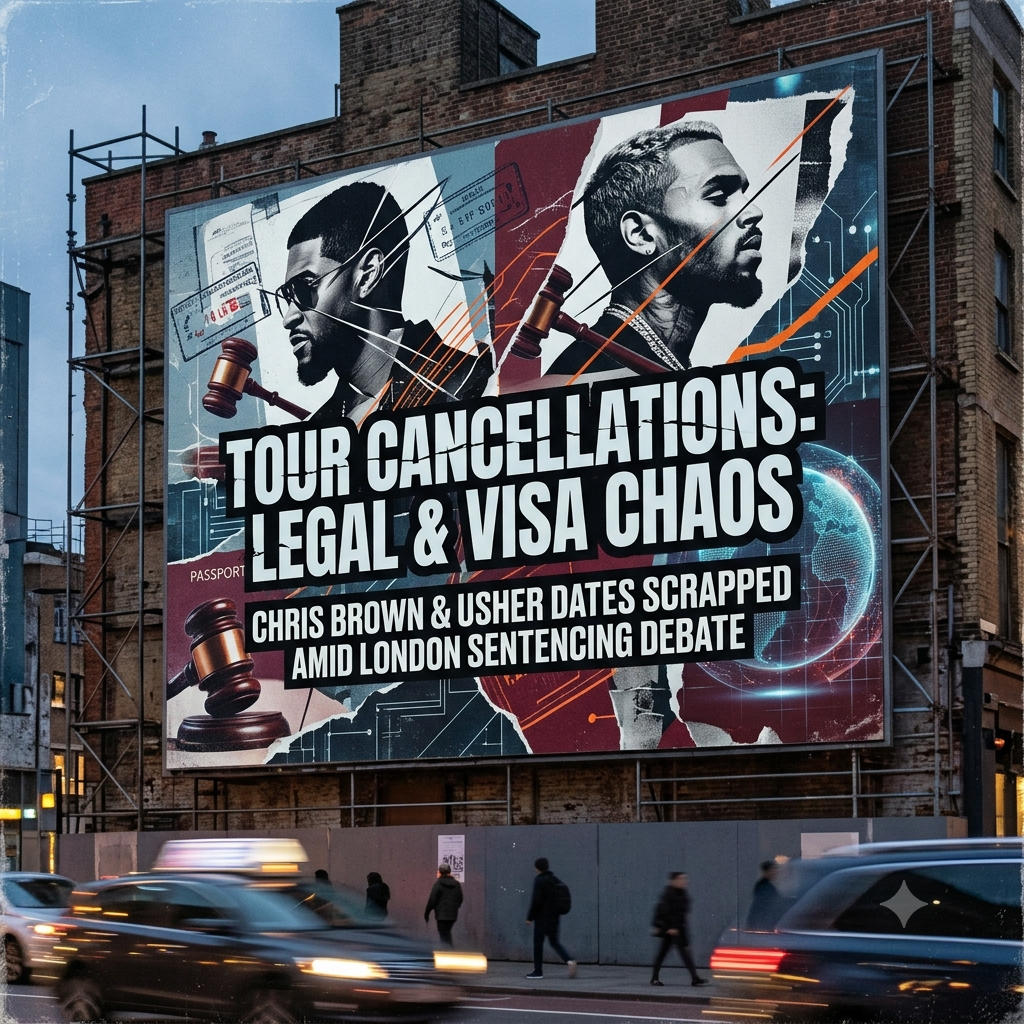
The recent cancellation of four major U.S. dates on the joint R&B Tour featuring Chris Brown and Usher—coming right before Brown’s scheduled court appearance in London—shines a bright spotlight on a issue promoters and booking agents battle every day: how international legal proceedings and complex visa requirements can completely upend multi-million-dollar arena tours.
While fans are left holding refunded tickets, industry insiders see a textbook case of how foreign court dates, immigration character tests, and global routing logistics intersect.
The True Cost of Overseas Legal Proceedings on Tour Routing
Putting together a modern arena or stadium tour isn’t as simple as picking dates on a calendar and booking flights. It’s an massive exercise in project management involving hundreds of crew members, freight shipping contracts, venue leases, and sponsor commitments. When an artist faces pending charges or court dates in a foreign jurisdiction—like Brown’s legal matters before Southwark Crown Court in London—the ripple effects hit every layer of the operation instantly.
1. Hard Court Dates vs. Flexible Tour Dates
Foreign legal systems do not care about a concert promoter’s calendar. If a judge requires an artist to appear in person for a hearing, plea, or sentencing as part of their bail terms, the tour routing has to yield. Skipping a mandatory court appearance in a foreign nation risks immediate arrest warrants and an automatic ban on future entry. When forced to choose between playing a arena show in the U.S. or keeping a court date in London, the legal team will win that argument every single time.
2. Co-Headlining Collateral Damage
On a co-headlining run like The R&B Tour, one artist’s legal obligations inevitably drag the other headliner into the disruption. Usher’s team, production crew, and band aren’t just along for the ride; they share the overhead costs, venue bookings, and revenue expectations. Canceling four dates means renegotiating vendor contracts, rerouting freight trucks, and absorbing massive sunk costs that impact both camps equally.
3. Insurance Nightmares and Contingency Planning
Stadium-level event cancellation insurance is notoriously strict. Insurers write complex policies with detailed exclusions regarding artist legal troubles. If a tour management team knows a court date might force a schedule change, the insurance company will often demand immediate mitigation. Promoters are frequently forced to pull dates early rather than risk playing a show and failing to make a mandatory transatlantic flight, which could trigger a complete forfeiture of coverage.
Understanding International Visa Barriers and Character Ground Regulations
Even when an artist isn’t actively sitting in a courtroom, open legal proceedings create a massive roadblock at international borders. Obtaining a work visa for an touring artist is completely different from getting a standard tourist visa, and immigration departments in major touring markets like the UK, Australia, Japan, and Canada hold immense discretionary power.
Automated Red Flags and Character Tests
Most foreign immigration departments run strict “character grounds” evaluations for anyone applying for a temporary work visa. Pending criminal charges, public order offenses (such as affray), or prior felony convictions trigger automatic flags in immigration databases.
In countries like the United Kingdom, entry laws allow border authorities to reject visa applications if an individual’s presence is deemed “not conducive to the public good.” Even if an artist hasn’t been convicted of a new charge, an open court proceeding gives immigration officers more than enough leverage to delay or outright deny a work permit.
The Financial Domino Effect of Visa Delays
Immigration delays create severe operational bottlenecks:
-
Promoters cannot open ticket presales without written confirmation that entry visas are secured.
-
Production teams cannot finalize international freight shipments for staging and lighting setups.
-
Local venues will not hold open dates indefinitely while waiting for an immigration board to review a file.
A delay of just a few days in visa processing can force a promoter to scrap an entire regional leg of a tour, costing millions in lost revenue and non-refundable deposits.
Why Media Authority and Public Record Matter in Global Operations
While stadium-filling acts have teams of high-powered attorneys navigating border controls and court schedules, independent artists, rising stars, and mid-tier labels face their own distinct battles when scaling up to perform overseas.
When applying for foreign work permits (such as the P-3 or O-1 visas in the United States, or Tier 5 Creative visas in the UK), immigration authorities don’t just look at criminal background checks. They scrutinize an artist’s official industry standing, public reputation, and professional history to verify that they are legitimate, working professionals.
A key part of establishing that legitimacy is maintaining a clean, documented digital footprint. Having consistent, independent press coverage acts as third-party verification of your standing in the music business.
Before booking your first overseas run or submitting international permit paperwork, taking steps to strengthen your international press standing and verified brand authority on our online music review platform gives your team the documented history necessary to prove your professional status to promoters, venues, and immigration boards alike.
Long-Term Lessons for Tour Managers and Independent Labels
The breakdown of major tour routing due to legal and immigration hurdles highlights several core lessons for anyone managing live music operations today:
-
Build Flexible Buffer Days: Tour schedules must account for administrative delays, court appearances, and visa processing windows. Tight back-to-back routing across international borders leaves zero room for error.
-
Audit Border Requirements Early: Never assume past entry guarantees future access. Immigration laws change, and personal legal developments can instantly change an artist’s entry status.
-
Invest in Professional Documentation: Keep complete records of all media coverage, performance histories, and industry endorsements. When border agents evaluate a file, hard documentation matters far more than social media follower counts.
Build Your Verifiable Media Source History
Breaking into global music markets requires more than talent—it takes an established digital footprint and clear industry backing. Protect your brand authority and get featured on our platform via the Music Review Submission Portal to build your official press portfolio today.