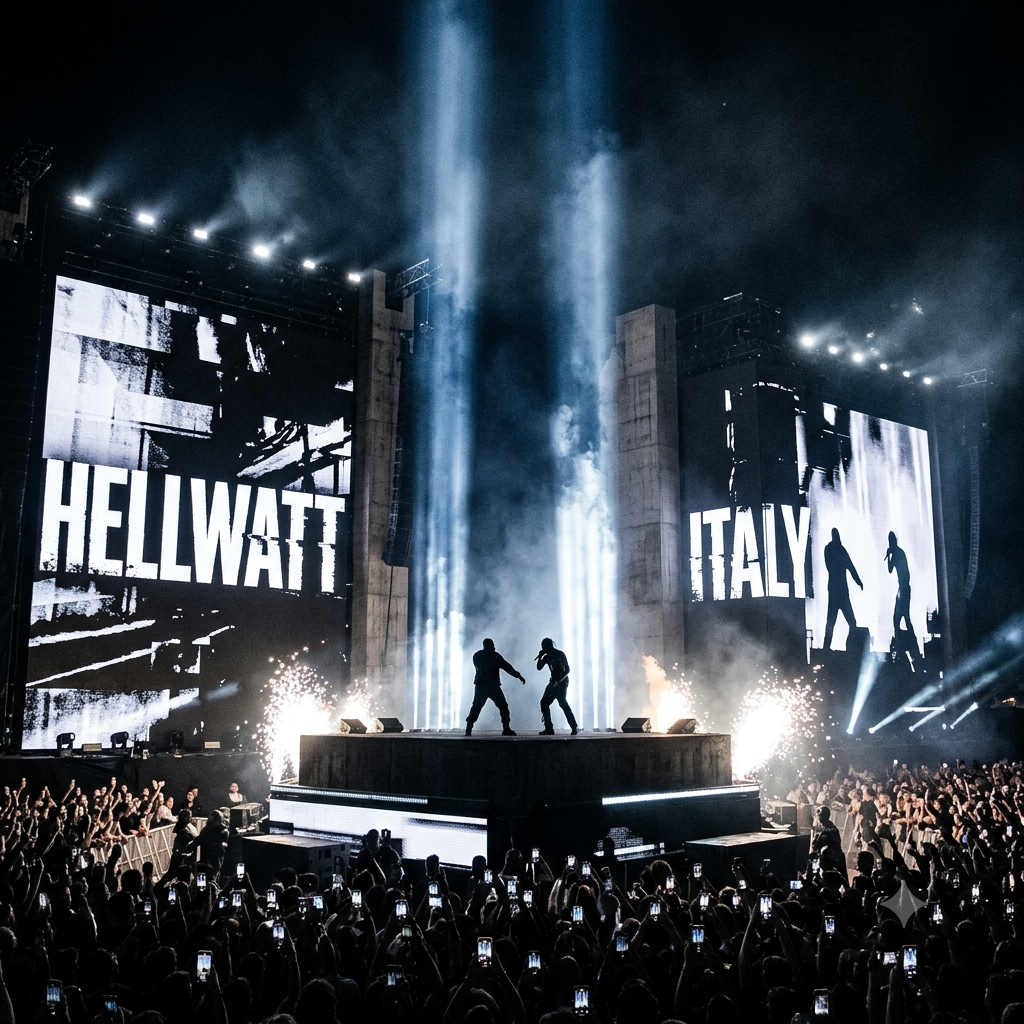
How Ye & Travis Scott’s HELLWATT Festival Set Rewrote the Playbook for Live Stage Design
If you were anywhere near social media when Ye (Kanye West) and Travis Scott hit the stage together at Italy’s HELLWATT Festival, you already know the internet practically stood still. The crowd energy was unhinged, but the real story went way beyond two massive hip-hop icons sharing a mic in Europe.
It was a masterclass in modern stage design.
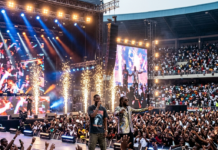
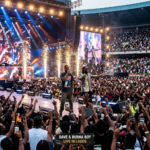
We’ve officially moved past the era where a festival set is only meant for the people in the front row. Today, the biggest mega-festivals in the world are designed for the lens. Every angle, every shadow, and every blinding flash of light at HELLWATT was calculated to do one thing: look absolutely unbelievable on screen.
Here is how Ye and Travis Scott ditched traditional festival tropes, embraced brutalist minimalism, and created a visual blueprint that is reshaping how live music looks across YouTube, TikTok, and concert films worldwide.
Moving Away from the “Laser Show” Era: The Power of Minimalist Lighting
For years, the default setup for a massive European music festival was simple: throw as many lasers, fireworks, and blinding RGB strobe lights at the crowd as physically possible. It was bright, chaotic, and loud.
Ye and Travis Scott went the complete opposite direction.
Instead of overwhelming the senses with color, the HELLWATT production relied on stark, heavy contrast. The staging leaned into a dark, cinematic visual language built on three main elements:
-
Single-Source Overhead Lighting: Instead of lighting up the entire stage, massive single-source lights cut down from directly overhead. This created intense, dramatic shadows and kept the focus entirely on the performers’ presence rather than a distracting background.
-
Monolithic LED Backdrops: Forget busy graphic loops or random 3D animations scrolling behind the artist. The stage featured massive, seamless LED monoliths that projected high-contrast, low-key imagery, stark white typography, and stylized live camera feeds.
-
The Power of the Silhouette: By placing heavy backlighting behind giant set pieces, Ye and Travis often appeared on stage as pure silhouettes. It gave the entire performance an architectural, almost apocalyptic feel.
This approach didn’t just feel different in person—it completely transformed how the performance translated to digital screens.
Engineered for the Lens: Why HELLWATT Dominated Digital Feeds
Why does a minimalist stage look so much better on your phone than a multi-million-dollar laser show? It all comes down to how digital camera sensors read light and contrast.
When thousands of fans pull out their smartphones to capture a concert, hyperactive multicolored lighting usually wrecks the footage. The sensor gets overwhelmed, the colors bleed, and the final clip looks like a blurry, pixelated mess.
The HELLWATT production was practically engineered to solve this problem:
1. Controlled Color Palettes
Stark whites, deep blacks, and monochromatic color washes (like deep crimson or cold tungsten) allow phone cameras and high-end video gear to capture crisp, high-definition footage without blowing out the highlights or losing detail in the shadows.
2. User-Generated “Cinematic” Footage
Because the stage lighting was so consistent and deliberate, every fan in the crowd became a camera operator for a high-budget concert film. The dark silhouettes against giant monolithic screens meant that even a raw 15-second clip recorded from 200 feet away looked like an official trailer.
3. Frame-Worthy Visual Beats
Every movement on stage was framed like a cinematic movie shot. Travis Scott jumping against a towering light box or Ye standing still in a beam of white light provided instantly shareable visual moments. Within hours, these clips weren’t just circulating as casual fan videos—they were being uploaded as full-length, high-resolution concert edits on YouTube, racking up millions of views.
What Independent Hip-Hop Artists Can Learn from Mega-Festival Visuals
It’s easy to look at a stage like HELLWATT and think, “Must be nice to have a multi-million-dollar production budget.”
While the scale of European mega-festivals requires massive capital, the core visual strategy doesn’t. Independent rappers, directors, and creative teams can steal these exact same principles to level up their own music videos and live performances on a fraction of the budget:
-
Prioritize Contrast Over Busyness: Stop trying to cram five different locations, hyperactive edits, and glowing effects into one video. A single location with sharp lighting, heavy contrast, and a clear focal point will always look more professional than a chaotic set.
-
Think in Shapes and Scale: Use wide-angle lenses, low camera angles, and imposing background structures to give your shots scale. Framing an artist against a giant blank wall or a single bright light source creates an iconic image instantly.
-
Optimize for Mobile Screens First: Most people will watch your visual work on a phone. Clean, bold visuals hold up on a small screen far better than complex, cluttered shots that get lost in low resolution.
Having incredible visual assets is only half the battle, though. Once you take the time to build a clean visual aesthetic, you need to make sure it actually lands in front of people who care about hip-hop culture. You have to give your cinematic visual assets the platform they warrant using our hip-hop video marketing strategies to cut through the noise and get real traction.
Comparing the Approaches: Old-School vs. Next-Gen Festival Visuals
To truly understand why the HELLWATT stage design felt so fresh, it helps to look at how traditional festival production compares to this new wave of brutalist staging:
The Big Picture: Live Music as a Content Engine
At the end of the day, Ye and Travis Scott’s headlining performance in Italy proved that live concerts aren’t isolated events anymore—they are massive content engines.
By treating the stage as a living, breathing cinematic set, HELLWATT set a new standard for how hip-hop performances look and feel on a global scale. The artists who win in today’s landscape—whether they are headlining European festivals or dropping their first self-directed music video—are the ones who understand that stark, bold, and deliberate visuals will always outshine meaningless clutter.
When you put that level of intention into your visual identity, you owe it to your music to get those videos seen by the right audience.
🚀 Ready to Get Your Videos Seen?
Don’t let your hard work get lost in the algorithm. Deliver your high-resolution visuals to real music fans. Submit your video to our Hip-Hop Video Promotion Portal today and start building the real fanbase your vision deserves.