How to Pitch Niche Workout & Powerlifting Playlists on Apple Music: The Ultimate Guide for Hip-Hop Artists
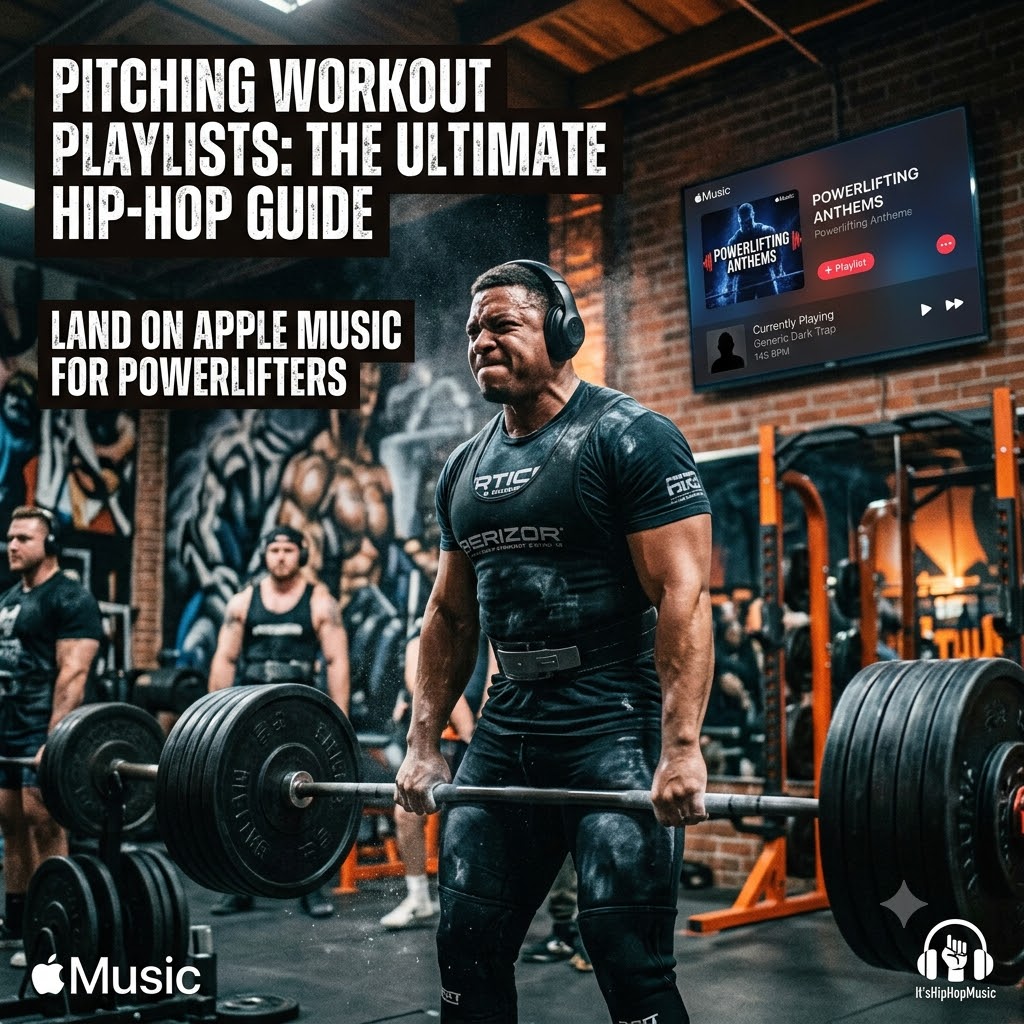
When a powerlifter steps up to the bar for a max-effort deadlift, they aren’t looking for ambient soundscapes, chill lo-fi beats, or mellow background music. They want bone-rattling sub-bass, relentless high BPM, and aggressive vocal delivery that cuts right through the noise of clanging iron, heavy breathing, and gym chatter.
If you produce dark trap, aggressive drill, or hard-hitting hip-hop, the fitness community is one of your most valuable, high-engagement audiences. Millions of gym-goers rely on high-energy workout playlists to fuel their training sessions, day in and day out. However, landing your tracks on these coveted Apple Music and third-party fitness playlists requires more than just good production—it takes precision metadata, a deep understanding of sub-genre positioning, and a strategic pitching approach.
Let’s dive into how you can optimize your music, nail the exact descriptors curators look for, and get your records onto high-rotation workout playlists.
Why the Fitness Niche is a Goldmine for Hip-Hop Artists
Most independent artists focus exclusively on standard hip-hop playlists, chill vibes, or party mixes. While those are great, they are also fiercely competitive. On the flip side, the fitness and powerlifting niche offers a fiercely loyal audience that listens to music on repeat while training.
Think about your own workout habits. When you’re pushing through the last rep of a heavy set or sprinting on a treadmill, you aren’t casually listening—you’re locked in. Fitness enthusiasts listen to music with intent. If your song becomes the anthem for someone’s personal record (PR) lift, you’ve just gained a lifelong fan who will stream your track hundreds of times.
Furthermore, algorithms on Apple Music and Spotify heavily reward high completion rates. Workout playlists boast some of the highest completion and skip-resistant rates on streaming platforms because users hit play and let the mix run for an hour straight. If your track fits that energy, the algorithm will naturally start pushing it to wider audiences.
1. Master the Core Metadata: The Technical Language of Gym Curators
Apple Music’s curation and algorithmic discovery rely heavily on descriptive audio markers, tags, and genre classifications. When gym curators build high-octane workout mixes, they filter through thousands of submissions using specific sonic descriptors. If your metadata doesn’t reflect what powerlifters and fitness streamers need, your track will get buried.
To land on heavy lifting and workout playlists, your track’s metadata, pitch description, and tagging should emphasize these three core elements:
High BPM and Driving Rhythms
Powerlifting and high-intensity training (HIT) playlists generally target a higher tempo range. For drill and dark trap, aiming between 135 to 150+ BPM (or utilizing heavy half-time feels that drive intense momentum) signals to algorithms and curators that the track is built for speed, movement, and explosive power. If a song drags or sits at a lazy tempo, it’s an immediate skip for a cardio or lifting playlist.
Aggressive Vocal Delivery
Mellow hooks, whispered flows, and laid-back storytelling rarely make the cut for heavy lifting playlists. Curators look for gritty, commanding, and relentless vocal performances. Think menacing delivery, punchy double-times, and raw confidence that matches the intensity of a heavy set. Your voice needs to sound like it’s pushing through barriers, which in turn helps the listener push through theirs.
Heavy Sub-Bass & 808s
In the gym, physical sensation matters just as much as melody. Tracks that dominate workout playlists feature chest-thumping sub-bass, distorted 808s, and wide low-end mixing that translates powerfully through over-ear headphones, earbuds, and commercial gym sound systems alike. If the bass doesn’t rattle the speakers, it won’t motivate a heavy squatter.
2. Niche Down: Targeting Sub-Genres Like Dark Trap and Drill
The fitness market is massive, but generic “workout” playlists are heavily saturated. Instead of aiming blindly for broad categories, focus on hyper-targeted niche playlists that match your specific sound. Curators love specific categorization because it helps them deliver a cohesive mood to their listeners.
-
Powerlifting & Strength Training Playlists: These lean toward heavy, slow-burn tension building into explosive drops—perfect for dark trap, industrial rap, and menacing synths.
-
Gym & Cardio Drill Playlists: UK, NY, and global drill are absolute staples for runners, crossfitters, and weightlifters who feed off sliding 808s, dark melodies, and rapid-fire hi-hats.
-
Pre-Workout & Motivation Playlists: These tracks serve as the sonic equivalent of a pre-workout supplement: high adrenaline, intense pacing, and zero lull moments from start to finish.
When you pitch your music to curators or submit to platforms, make sure you explicitly mention these micro-genres so decision-makers instantly know the exact mood and training style your music complements.
3. How to Get Your Tracks Heard by Curators
Securing playlist placement isn’t just about uploading your music to a distributor and hoping the algorithm magically discovers you. You need a direct pipeline to tastemakers who actively manage high-rotation fitness and hip-hop lists.
Building relationships with independent playlist curators, submitting to targeted music platforms, and utilizing professional submission portals are the fastest ways to bypass the noise. You want to make it as easy as possible for a curator to say “yes.” When you send your pitch, lead with your BPM, highlight the mood (e.g., “aggressive dark trap built for heavy lifting”), and provide a direct streaming link.
If you are ready to place your high-energy gym anthems on high rotation using our targeted rap playlist placements (https://itshiphopmusic.com/submit/music-submission/), the submission process is specifically designed to get your tracks straight to the decision-makers who curate for active fitness audiences.
Summary: Checklist for Pitching Gym Playlists
Before you hit submit on your next dark trap or drill release, run through this quick checklist to ensure your track is optimized for the fitness crowd:
-
Check the Tempo: Does your track sit comfortably in the high-energy BPM sweet spot (135–150+)?
-
Evaluate the Low End: Are the 808s and sub-bass mixed heavy enough to punch through headphones in a loud gym environment?
-
Analyze the Vocal Energy: Is the delivery aggressive, motivating, and high-stakes?
-
Target the Right Niche: Are you pitching specifically to dark trap, drill, and heavy lifting curators rather than generic pop-workout lists?
By tailoring your metadata, sharpening your production choices, and pitching directly to the right platforms, you can turn your hard-hitting hip-hop records into permanent staples of the global fitness community.