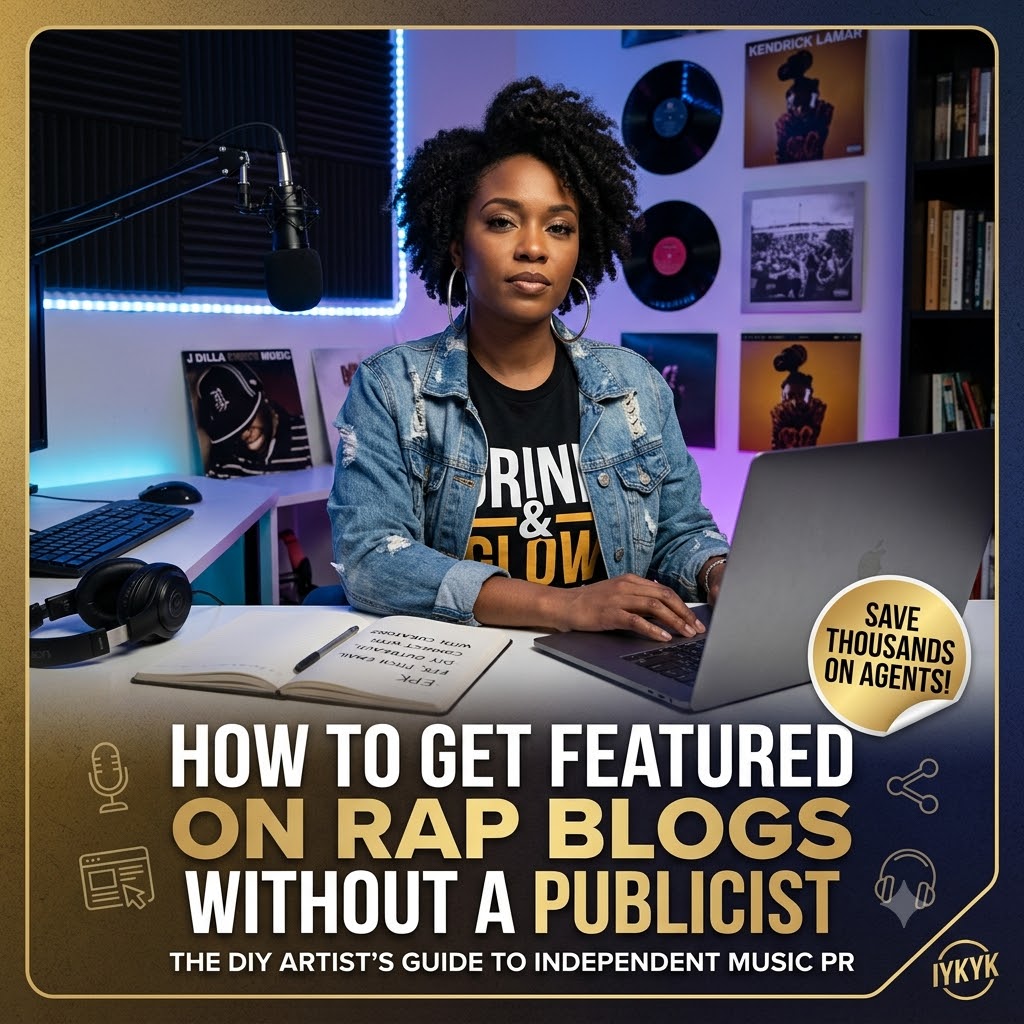
How to Get Featured on Music Blogs Without PR Agency Fees
Trying to get coverage for your latest release can feel like screaming into a void. Every artist’s dream is to drop a project, wake up the next morning, and see their track blasted across major outlets, featured on playlist covers, and break into music blogs. But when you look into standard options, the reality hit is heavy—hiring a traditional music publicist or PR agency typically costs anywhere from $1,500 to $3,000+ a month. And the kicker? Most publicists won’t guarantee a single placement.
If you’re an independent artist, spending thousands of dollars every month just to get emails forwarded to blog editors isn’t sustainable. The good news is that the music landscape has completely shifted. Today, music bloggers, playlist curators, and digital editors are constantly hunting for organic talent directly from the source. You don’t need a middleman; you just need to understand how music media works, how to pitch professionally, and how to use modern shortcuts to skip the gatekeepers.
Here is your comprehensive playbook on how to get featured on music blogs without PR agency retainers draining your budget.
The Myth of the PR Agency: Why DIY Outreach Works
To understand why doing your own press outreach works, you have to realize what music publicists actually do. A publicist isn’t doing magic—they are simply sending tailored emails to contacts they’ve built over time. They package your release into an Electronic Press Kit (EPK) and pitch it to writers, editors, and playlist curators.
Music editors and bloggers don’t hate receiving pitches from independent artists. In fact, many prefer it! Writers love the thrill of discovering an underground track before anyone else does. When a pitch comes directly from an artist who clearly respects their platform, it feels authentic. When it comes from a mass PR email list, it often feels like routine marketing clutter.
By learning how to pitch yourself effectively, you keep full control over your narrative, build direct relationships with writers, and save thousands of dollars that you can put right back into high-quality mixing, mastering, or music videos.
Step 1: Get Your Assets in Order (The EPK Advantage)
Before you fire off a single pitch email, you need to make sure your artist branding is tight. If a music journalist opens your email, loves your song, but can’t find a high-res photo or basic bio, they will move on to the next pitch in their inbox. Journalists work on strict deadlines, so make their job as easy as possible.
Build a Clean Electronic Press Kit (EPK)
Your EPK doesn’t need to be an expensive custom website. A neatly organized Google Drive folder or a single press page on your website works perfectly. Make sure it contains:
-
High-Resolution Photos: Include both vertical and horizontal shots (press photos, album artwork, and behind-the-scenes visuals).
-
A Concise Artist Bio: Keep it around 150 to 250 words. Focus on your sound, notable achievements, past co-signs, or streaming milestones. Skip the fluff about “growing up listening to music since age five.”
-
Unreleased Private Streaming Links: Use private Soundcloud, Private YouTube, or Dropbox/Drive previews. Never attach heavy MP3 files directly to an email, as this triggers spam filters.
-
Social Links & Contact Info: Make sure your Instagram, X/Twitter, TikTok, and direct email are easy to find.
Step 2: Research and Build a Targeted Blog List
Quality always beats quantity when it comes to blog pitches. Blasting 500 random music blogs with the exact same template will yield a near-zero response rate. Instead, aim for 20 to 30 blogs that actually cover your specific sub-genre.
How to Find the Right Outlets
-
Reverse-Engineer Similar Artists: Pick 3 to 5 independent artists who share a similar vibe or genre. Search their names on Google alongside terms like “interview,” “single review,” or “premiere.” Look at which smaller and mid-tier blogs covered them when they were starting out.
-
Check the Byline: Pay attention to who wrote the article. Writers often contribute to multiple outlets or run their own music newsletters. Following specific journalists is far more effective than emailing generic
info@addresses. -
Respect Submission Rules: Every blog has its own way of handling submissions. Some want a Google Form filled out, some want direct emails, and others use review portals. If a blog explicitly asks for Spotify links, don’t send them a downloadable WAV file.
Step 3: Write Pitch Emails That Actually Get Opened
Music journalists can receive hundreds of emails a day. To stand out, keep your email short, respectful, and straight to the point.
SUBJECT: Pitch: [Artist Name] - "[Song Title]" ([Genre/Vibe])

Hey [Writer's Name],

Loved your recent write-up on [Article Title or Artist Name they covered recently].

I’m reaching out because I just released a new track titled "[Song Title]," and given your coverage of [Genre/Similar Artist], I thought it might fit your audience.

Listen to "[Song Title]" here: [Private Stream Link]

Quick Highlights:
- [Key metric/co-sign, e.g., "Gained 50k streams on previous release" or "Featured on Spotifying playlist X"]
- Short 2-sentence description of what inspired the track or how it sounds.

I've included my press kit with high-res photos and bio here: [Link to EPK]

Thanks for your time and for supporting independent music!

Best,
[Your Name]
[Your Contact Info / Social Links]
Key Principles of a High-Converting Pitch
-
Personalize the Intro: Show that you actually read their site. Referencing a specific article proves you aren’t a bot.
-
Put the Music First: Make the private stream link visible in the first three lines.
-
Keep It Under 200 Words: Don’t force them to read a long biography before they’ve even clicked play.
Step 4: Skip the Cold Outreach Grind Entirely
While cold emailing and social media networking can work, it takes dozens of hours every week—time you could spend making music, shooting content, or performing live. Tracking follow-ups, dealing with broken submission forms, and waiting weeks for a reply can be exhausting.
If you want guaranteed attention without spending months building press lists from scratch, modern direct-editorial options give you a faster lane. In fact, you don’t need a $2,000/month publicist when you can access direct editorial placement through our music review portal. Cutting out the traditional PR gatekeepers allows you to place your music straight into the hands of active curators who are ready to listen, review, and feature your latest work.
Step 5: Leverage Your Features for Snowball Growth
Getting featured on a music blog is only step one—what you do after the article drops is what builds long-term momentum.
-
Share and Tag the Outlet: As soon as a feature goes live, post it on your social media channels. Tag the blog and the individual writer who covered you. Bloggers track their traffic; if they see that feature brings visitors, they’ll be far more likely to cover your next release.
-
Add Coverage to Your EPK: Move quotes, headlines, and logos from the blog coverage directly into your press kit. Future blogs, playlist curators, and venue bookers love seeing social proof from other outlets.
-
Keep the Relationship Warm: Send a quick thank-you note to the writer. Drop a comment on their other articles occasionally. When your next single is ready two months down the line, you won’t be a stranger reaching out cold—you’ll be an artist they already know and support.