Remember when dropping a fresh track meant refreshing a browser all morning, praying for a “Best New Music” nod from Pitchfork or a marquee feature on an influential MP3 blog? For the longest time, the formula was simple: traditional music journalism held the pen, and artists waited for the grade.
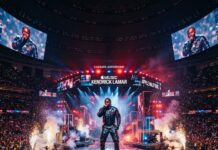
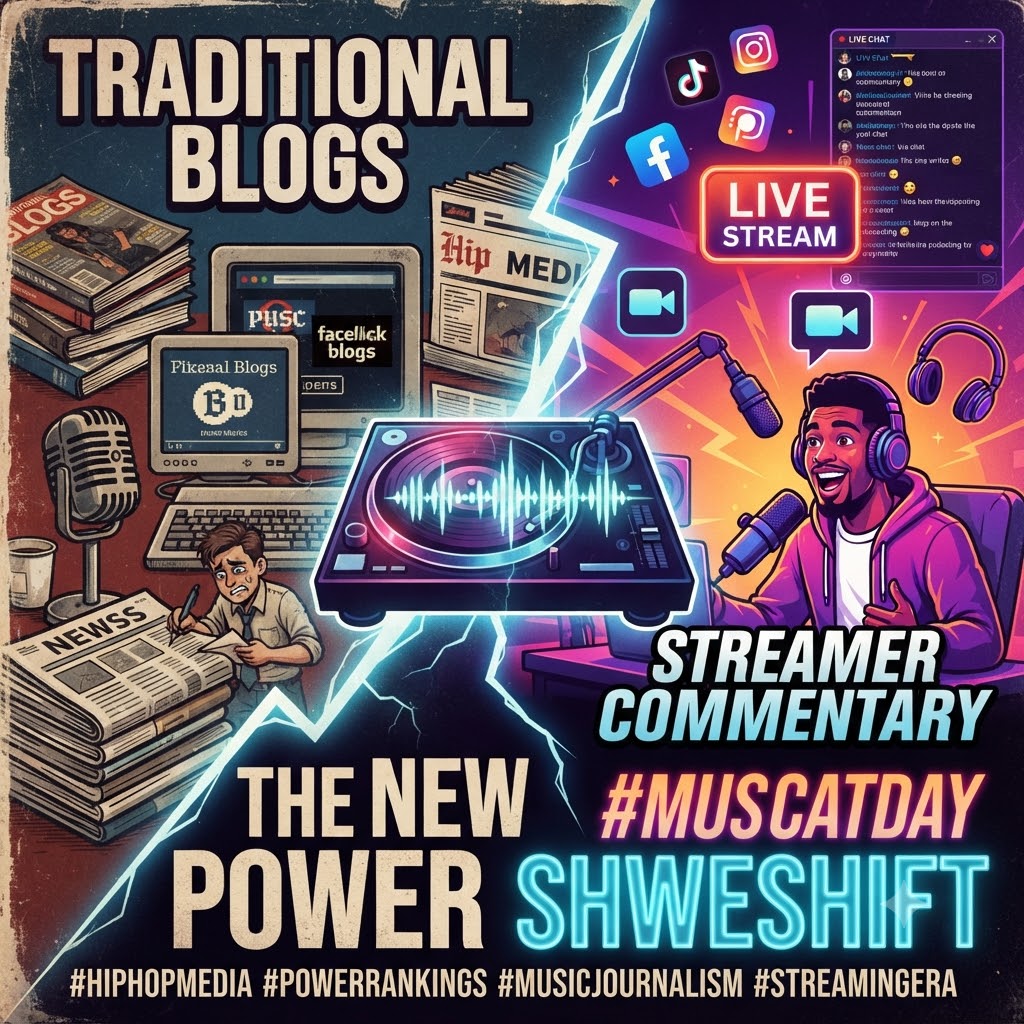
Cut to today, and that entire rulebook has been thrown out the window. Recent industry conversations—sparked heavily by cultural scorecards like Complex’s Hip-Hop Media Power Rankings—prove what everyone in the trenches already knows: the traditional blog era has largely taken a back seat. In its place is a fast-moving ecosystem driven by live-stream titans, real-time digital reactors, and podcasters who command way more direct influence than legacy editorial rooms ever did.
Let’s unpack how hip-hop media got here, who actually holds the keys to the culture now, and what indie artists need to know to adapt.
The Shift: From Polished Reviews to Live Reactions
The pivot from text-based criticism to real-time digital commentary didn’t happen overnight, but the speed of it has been wild. Traditional outlets built their reputation on distance—polled critics, thoughtful prose, and a structured review cycle. But hip-hop has always thrived on immediacy, urgency, and direct dialogue.
When platforms like Twitch, YouTube, and independent podcast networks became the main watering holes for music fans, the power dynamic totally shifted. Why wait three days for a publication to drop a written review when a major streamer can break down a surprise midnight album drop in real time with 40,000 people live in the chat?
-
The Death of the Static Gatekeeper: Legacy publications still carry institutional weight, but their ability to dictate daily culture has definitely slowed down.
-
The Rise of Shared Opinions: Modern fans don’t want a detached critic handing down a rating from an ivory tower. They want to experience the music alongside a personality they trust in an interactive, community-first space.
Inside the New Power Rankings: Streamers vs. Critics
When cultural roundups like the Complex Media Power Rankings drop, they always start massive debates because they force two totally different worlds into the same room: print critics sitting right beside YouTube reactors, Twitch broadcasters, and table-talk podcasters.
This new hierarchy changes how we even define “media power.” Influence isn’t just about unique website pageviews or print run numbers anymore. It comes down to a few different things:
-
Direct Engagement: How quickly can a creator mobilize a fanbase to check out a new project?
-
Cultural Proximity: Are artists jumping onto a live stream to clear the air or promote a drop, rather than booking a traditional print interview?
-
Algorithmic Agility: The knack for navigating short-form video, live chats, and community spaces to shape public conversation instantly.
While sharp-tongued editorial writers and deep-dive critics still hold down crucial analytical spaces, the sheer velocity of culture is managed by personalities who stream for hours, breaking down bars frame-by-frame with their audience.
What This Means for Independent Artists and PR
If you’re an independent artist, producer, or part of a promo team trying to cut through the noise, sticking strictly to old-school blog submission tactics just isn’t going to cut it anymore. Getting traditional editorial coverage is still a great badge of honor, but real momentum lives where modern listeners actually spend their time.
-
Target the Commentary Ecosystem: Building genuine relationships with digital reactors, playlist curators, and community-driven podcasters often converts way better than a standard email-blast PR campaign.
-
Keep the Tone Real: Today’s music audience values transparency and a human connection above everything else. Overly stiff, corporate, or obviously automated press releases get scrolled past immediately in an industry that runs on authentic personality.
-
Build Communities, Not Just Playlists: Just like media has decentralized, music marketing has shifted toward community ownership. Leaning into spaces like Discord and live-streaming platforms helps foster real, lasting ties with fans.
Wrapping It Up
The days of a tiny handful of traditional publications acting as the absolute gatekeepers of hip-hop cool are officially behind us. Today, control belongs to a high-speed network of digital commentators who have turned music journalism into an interactive spectator sport. Love it or hate it, one thing is clear: if you want to know where hip-hop is heading, you have to look at who the culture is actually tuning into.