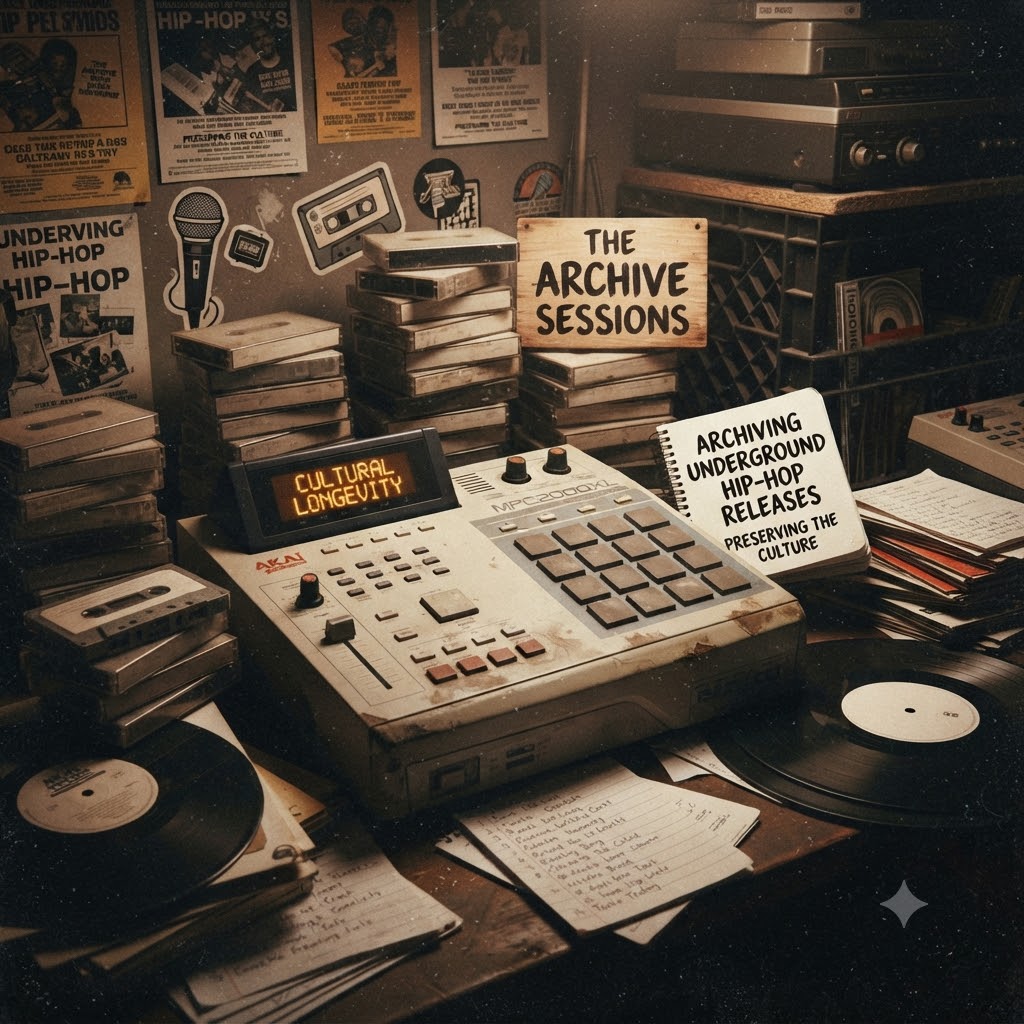
Archiving Underground Hip-Hop Releases for Cultural Longevity
Hip-hop has always moved at a relentless pace. Born in the parks and basements of the Bronx, the culture thrives on immediacy—battle-tested bars, gritty drum breaks, and the raw electricity of the moment. But while mainstream charts, major labels, and algorithm-driven feeds obsess over the commercial giants, an entire universe of underground hip-hop lives just beneath the surface.
We are talking about boom-bap purists, lo-fi cassette tapes passed hand-to-hand, experimental instrumental beat tapes, and fiercely independent regional movements. These subgenres push the culture forward, yet they run a constant risk of slipping through the cracks of the digital ether.
When the major media outlets and corporate history books look the other way, who is actually keeping track?
The answer is independent music blogs, zines, and grassroots digital archives. These platforms act as the real, behind-the-scenes cultural historians of underground hip-hop, doing the heavy lifting to make sure these scenes survive long after the Bandcamp links go dead and the SoundCloud pages vanish.
The Fragility of the Modern Underground
Unlike physical media—crates of vinyl gathering dust in basements or master tapes locked away in studio vaults—much of today’s underground hip-hop lives in digital ephemera. Drop a project on a niche file-sharing site, a limited-run Bandcamp page, or an independent WordPress blog, and your history is tied to the shifting sands of the internet.
Think about how many independent rap blogs, forums, and regional webzines from the golden era of the 2000s or the early SoundCloud days have simply blinked out of existence because of broken hosting links, expired domains, or server costs. When a blog goes down, a chunk of local music history goes down with it.
That digital decay is exactly why intentional archiving matters. Independent music writers don’t just drop a quick review and move on; they capture the context. They interview the bedroom producers, break down the sample choices, document local scenes, and contextualize a limited cassette release within the wider evolution of hip-hop.
Music Blogs as Grassroots Cultural Historians
Mainstream music journalism is usually chained to metrics, viral traction, and label budgets. It chases whatever is blowing up right now. Underground hip-hop blogs, on the other hand, operate out of genuine passion, preservation, and a deep respect for the craft.
Here is how these independent platforms serve as the true historians of hip-hop subcultures:
1. Preserving the Niche and the Regional
Mainstream outlets rarely dive deep into the micro-subgenres of hip-hop—whether it is smoky, jazz-infused underground boom-bap, regional phonk, or abstract, stream-of-consciousness lyricism. Blogs give these movements a permanent digital address, mapping out scenes that traditional media wouldn’t even know how to categorize.
2. Guarding the Context
A track on a streaming app is just audio files and metadata. A write-up on an independent blog gives that same track a heartbeat. It explains why a producer chopped a specific soul sample, what a local movement means to its community, and how an artist’s journey reflects the real realities of independent creation.
3. Building an Accessible Time Capsule
Search engines and digital archives index these written features, turning scattered internet releases into a searchable, cohesive timeline. Decades from now, researchers, younger fans, and future artists will look to these independent archives to understand how underground hip-hop actually evolved away from the corporate spotlight.
The Responsibility of the Modern Writer and Artist
Archiving isn’t just a task for curators; it’s a collaborative effort between the creators and the chroniclers. If you are an underground artist pouring your soul into a project, relying entirely on algorithms or fleeting social media timelines is a massive gamble with your own legacy.
Social media is built for the immediate. It rewards trends, fifteen-second snippets, and relentless algorithm-chasing, often burying real substance beneath the noise. True cultural longevity requires a permanent home—a place where your work is written about, analyzed, and permanently cataloged as part of the culture’s fabric.
If you want your music to outlast the next app update, document your story within the culture. Share your story with our readership through our [submission portal/features page].