The Truth Behind J. Cole’s “Golden Goose Freestyle”: Bots, Catalog Ownership, and Rap’s Broken Ecosystem
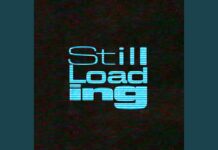
Right around his 41st birthday in early 2026, J. Cole decided to clear his throat. Without a massive corporate rollout, massive billboard campaigns, or months of cryptic teaser clips, he dropped a surprise mixtape titled Birthday Blizzard ’26. Hosted by none other than DJ Clue, the project immediately hit that classic late-90s and early-2000s street tape frequency. But out of all the tracks jammed into the release, “Golden Goose Freestyle” instantly set rap internet message boards and group chats on fire.
Sampling the iconic 2000 track “Can I Live” by Black Rob and The LOX, Cole didn’t just hop on a nostalgic boom-bap beat to show off his flows. He used a tight, two-minute window to run through a lethal checklist of rap industry politics: artificial streaming manipulation, bad record deals, the illusion of viral success, and the stark difference between actual cultural impact and algorithmic fluff.
If you’ve been trying to figure out why everyone is talking about “Golden Goose Freestyle,” here is the full breakdown of what J. Cole is actually saying, why these lyrics matter right now, and what it signals for the rest of his career.
Riding the “Can I Live” Beat: Nostalgia Meets Modern Reality
Before even looking at the lyrics, you have to talk about the canvas. Jumping on “Can I Live”—originally produced for Black Rob’s debut album Life Story—is a intentional move. It immediately locks the listener into a time when mixtape culture was raw, competitive, and stripped of polished pop polish.
By bringing DJ Clue in to throw classic ad-libs over the track, Cole bridges two completely different eras. He takes a vintage, sample-heavy street record and overlays it with ultra-modern commentary about 2026 rap culture. It creates a striking contrast: vintage NY hip-hop energy delivering a modern eulogy for fake metrics and corporate music traps.
Theme 1: Calling Out Bot Farms and Fake Streaming Numbers
The line that turned the most heads across social media addresses something everyone in the music industry whispers about behind closed doors, but few top-tier artists say directly on wax: streaming inflation.
Over the past few years, the gap between an artist’s digital numbers and their real-world cultural footprint has grown absurdly wide. Cole calls this out directly:
“If the streams say you’re winnin’, why your tours is losin’?
When the math ain’t mathin’, of course you’re juicin’
That mean the bots is boostin'”
Cole points out a glaring issue in today’s music business: an artist can easily rack up 50 million streams on Spotify or Apple Music thanks to playlist placement, bot farms, and algorithmic looping, yet fail to sell 500 ticket stubs in a medium-sized city.
By calling out “juicing” and “bot boosting,” Cole separates vanity metrics from true fandom. Anyone with an expense budget can buy fake digital plays, but you can’t fake a room full of screaming fans who bought a ticket, parked their car, and bought a T-shirt. For Cole—an artist who routinely sells out stadiums worldwide purely off organic fan loyalty—this is the ultimate point of differentiation.
Theme 2: Catalog Ownership vs. Selling Out to Major Labels
Another heavy narrative thread running through “Golden Goose Freestyle” is the battle for independence versus corporate control. Cole has always preached the gospel of owning your masters and building long-term equity through his Dreamville imprint, and here he double-downs on that philosophy.
In one section of the freestyle, he draws a sharp contrast between rappers who flex temporary advance money and those who retain their long-term rights. He explicitly references major label machinery, poking fun at young artists who trade their entire future catalog just to buy short-term luxury cars and jewelry.
When an artist signs away their rights for an immediate bag, they essentially become an employee in their own career. Cole frames himself as the opposite: a creator who leveraged major label distribution when necessary, but Ultimately retained control over his intellectual property. In a rap landscape where classic catalogs are constantly bought, sold, and liquidated by private equity firms, Cole’s message is loud and clear: real wealth isn’t the advance check; it’s owning the rights to the music forever.
Theme 3: Decoding the “Golden Goose” Double Entendre
Why name the track “Golden Goose Freestyle”? The title works on at least two distinct levels, showing off Cole’s knack for multi-layered metaphors.
1. The Fable of the Golden Goose
The classic fable tells the story of a goose that lays golden eggs. The owner gets greedy, slaughters the goose to get all the gold at once, and ends up with nothing. Cole uses this metaphor to critique labels and managers who milk young talent for quick viral hits until the artist is burned out, financially broke, and dropped. In this scenario, the artist is the goose, and the label is destroying their long-term potential for short-term profit.
2. Golden Goose Luxury Sneakers
On a lighter, stylistic level, Golden Goose is a famous Italian luxury sneaker brand known for producing high-end shoes that are pre-distressed to look worn and broken-in, complete with a signature star logo. Cole plays on this image: while other rappers wear pristine, mass-market designer gear to look rich, Cole prefers something that looks beat-up on the surface but costs a fortune under the hood. It’s a metaphor for his own persona—unpretentious, comfortable in his own skin, but operating at the absolute highest level of the craft.
Quick Track Breakdown & Credits
-
Track Title: Golden Goose Freestyle
-
Artist: J. Cole
-
Project: Birthday Blizzard ’26 (Mixtape)
-
Release Date: January 2026
-
Host: DJ Clue
-
Original Instrumental: “Can I Live” by Black Rob feat. The LOX (2000)
-
Primary Genre: Underground Boom-Bap / Mixtape Hip-Hop
-
Key Themes: Streaming Fraud, Ownership, Legacy, Technical Rap Mastery
Why “Golden Goose Freestyle” Matters for Hip-Hop Right Now
In an era dominated by 15-second TikTok snippets, aggressive viral dances, and artificially manufactured hype, “Golden Goose Freestyle” feels like a breath of fresh air. It’s a track made purely for people who love the sport of rapping.
Cole doesn’t give us a polished pop hook or an easy radio chorus. Instead, he delivers pure rap bar-for-bar, reminding the culture that hype is temporary, but true skill, catalog ownership, and real-world fanbase connection will outlast any algorithm.
Whether Birthday Blizzard ’26 serves as an appetizer for a larger studio album down the road or just a fun birthday drop for the fans, “Golden Goose Freestyle” proves once again that when J. Cole picks up a pen, the entire rap industry has to pay attention.